Sodium Hyaluronate Oligomers: Deep Penetrating Ultra-Low Molecular Weight Hydration
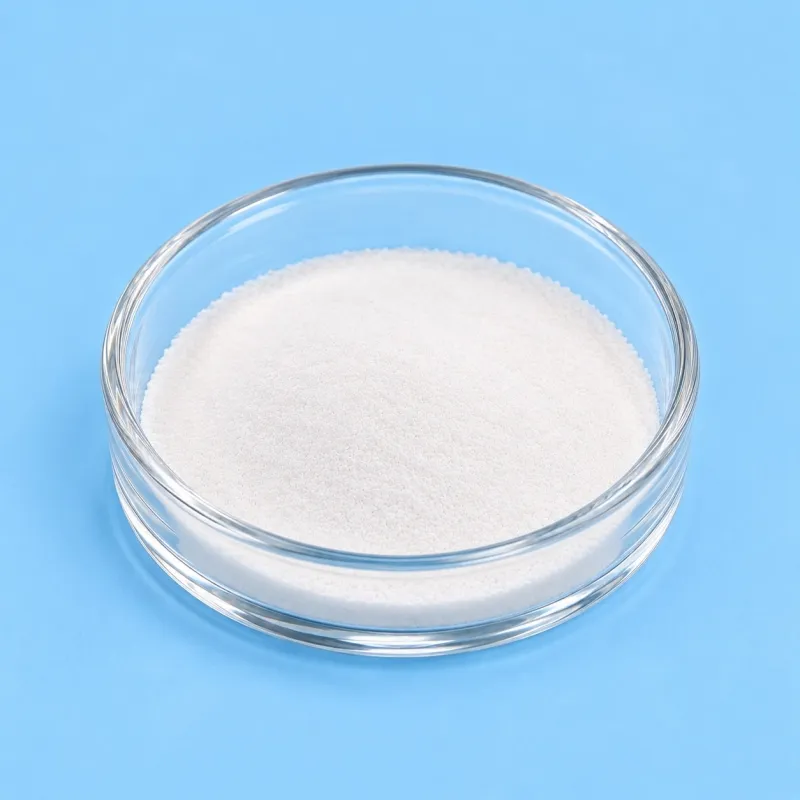
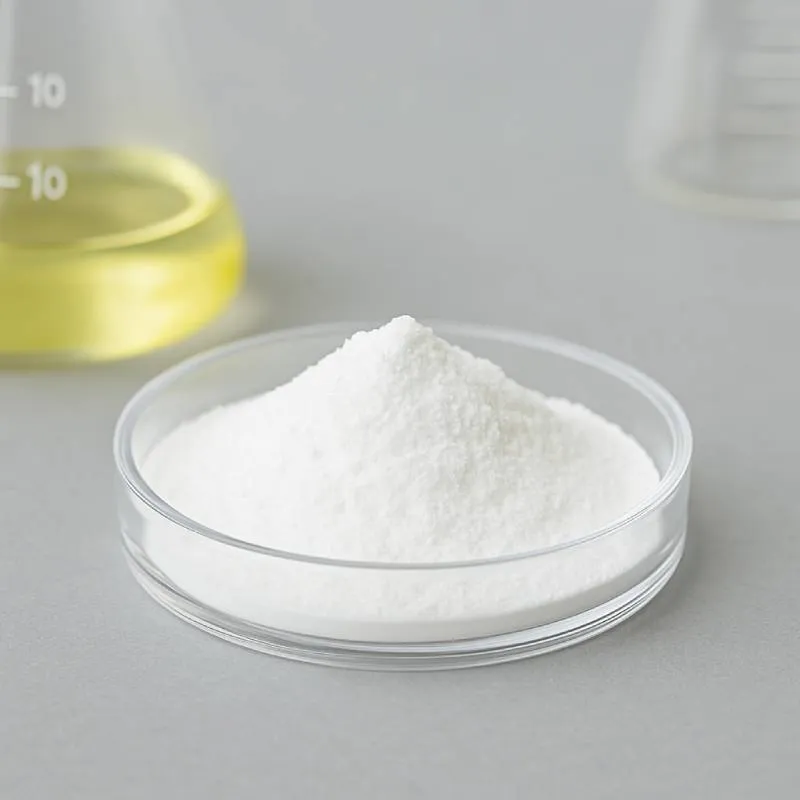
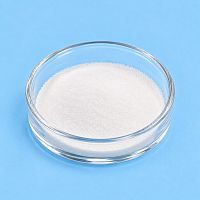
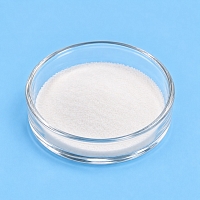
Sodium Hyaluronate Oligomers represent the cutting edge of biotechnological skin care, offering a molecular weight so small (typically under 10 kDa) that it transcends the capabilities of standard hyaluronic acid. Unlike high molecular weight hyaluronic acid that sits on the surface to form a protective film, these oligomers are designed for transdermal absorption. They penetrate deep into the stratum corneum and even reach the dermis, providing "hydration from within." This component is a pure, highly active powder that acts not just as a humectant, but as a biological messenger that stimulates the skin's own restorative processes. As a premium anti-aging active, it is essential for high-end serums, regenerative creams, and professional aesthetic formulations. Its ability to improve skin elasticity and reduce deep-set wrinkles makes it a cornerstone ingredient for modern cosmetology.
Scientific Benefits and Skin Interaction
The primary advantage of Sodium Hyaluronate Oligomers lies in their unique molecular size, which allows for biological activity that larger molecules cannot achieve. While standard hyaluronic acid provides immediate surface smoothing, oligomers offer long-term structural benefits.
Key benefits and properties:
-
Deep Dermal Penetration: Due to the ultra-low molecular weight, these particles pass through the skin barrier to hydrate the deeper layers of the epidermis.
-
Stimulation of Endogenous Hyaluronic Acid: They act as a signal to fibroblasts, encouraging the skin to produce its own natural moisture-retaining molecules.
-
Anti-Wrinkle and Firming Effect: By plumping the skin from the inside, they significantly reduce the depth of fine lines and improve overall skin density.
-
Post-Sun and Post-Procedure Repair: They help suppress inflammatory responses and accelerate the healing of damaged skin tissues.
-
Non-Sticky Texture: Unlike high-molecular-weight versions, oligomers do not create a tacky film, making them ideal for lightweight, elegant formulations.
-
High Bioavailability: They are easily recognized and utilized by skin cells, ensuring maximum efficacy even at low concentrations.
Versatile Applications and Usage Areas
Sodium Hyaluronate Oligomers are used globally in a variety of professional and home-care products, catering to a wide range of dermatological needs.
Advanced Anti-Aging Serums: This is the most popular application. Oligomers are used as the primary active ingredient in "lifting" and "filling" serums to target age-related volume loss and skin sagging.
Intensive Eye Care: Because the skin around the eyes is exceptionally thin, the deep-penetrating nature of oligomers makes them perfect for eye creams and gels that target crow's feet and dehydration lines.
Post-Invasive Recovery Products: They are frequently included in creams and masks used after chemical peels, laser resurfacing, or microneedling to soothe the skin and reduce downtime.
Hydrating Toners and Essences: In water-based products, they provide a "moisture burst" effect, prepping the skin to absorb subsequent treatment products more effectively.
Regenerative Night Creams: Used in rich night treatments to support the skin's natural repair cycle during sleep, resulting in a refreshed and plumped complexion by morning.
Suncare and After-Sun Lotions: They help mitigate the drying effects of UV radiation and provide deep hydration to sun-stressed skin.
Professional Aesthetic Solutions: Oligomers are often used in formulations designed for ultrasound or iontophoresis treatments to enhance the delivery of nutrients into the skin.
Recipe: Deep Recovery Hydra-Soothe Serum
This professional-grade serum utilizes Sodium Hyaluronate Oligomers to provide deep, long-lasting hydration and skin repair.
Ingredients:
-
Ninety milliliters Distilled Water or Rose Hydrosol (Base)
-
One gram Sodium Hyaluronate Oligomers (Deep Active)
-
Five milliliters Vegetable Glycerin (Humectant)
-
Two milliliters Panthenol / Provitamin B5 (Soothing Active)
-
One gram Low Molecular Weight Hyaluronic Acid (Intermediate Hydration)
-
One milliliter Cosmetic Preservative (e.g., Cosgard or Optiphen)
Instructions for Preparation:
First Step — Hydrating the Oligomers: In a sterile glass beaker, pour the Distilled Water or Hydrosol. Sprinkle the Sodium Hyaluronate Oligomers onto the surface of the liquid. Unlike high-molecular versions, these will dissolve quite rapidly with gentle stirring.
Second Step — Incorporating the Humectants: Add the Vegetable Glycerin and Panthenol to the mixture. Stir slowly until the liquid is perfectly clear and uniform.
Third Step — Dual-Layer Hydration: Sprinkle the Low Molecular Weight Hyaluronic Acid into the beaker. Stir thoroughly. This combination of oligomers and low molecular acid creates a multi-level hydration system.
Fourth Step — Preservation: Add the cosmetic preservative. This is vital because the high water and polysaccharide content makes the serum prone to microbial growth.
Fifth Step — Final Homogenization: Stir the serum for another two to three minutes. The final product should be a clear, slightly viscous liquid. Let it sit for one hour before bottling in a dark glass dropper bottle.
Recommendations for Application and Storage:
-
Usage Concentration: For effective results, use Sodium Hyaluronate Oligomers at a concentration of zero point one percent to one percent in the final formulation.
-
Application Technique: Apply three to four drops of the serum to clean, slightly damp skin. Follow immediately with a moisturizer or oil to "lock in" the deep hydration provided by the oligomers.
-
pH Range: This component is stable in a broad pH range, typically between five point zero and eight point zero, making it compatible with most skin care actives.
-
Storage: Store the pure powder in a cool, dry place away from moisture. Store the finished serum in a cool place, preferably in the refrigerator, to maintain the potency of the actives.