Fast worldwide delivery
Product catalog
Master classes, recipes, tips
AMIGEL rheology guide: Sclerotium Gum in gels emulsions and suspensions
A comprehensive technical formulation guide dedicated to managing rheology in cosmetics using the natural polysaccharide AMIGEL (Sclerotium Gum). This article explores the physical mechanisms of polymer hydration and network formation for structuring clear gels, light emulsions, and particle-suspending fluids. It covers pre-dispersion in polyols, electrolyte stability, shear rate handling, incompatibility limits, thermal limits, and precise pH controls. Features three complete DIY recipes with step-by-step compounding instructions and cold storage standards.
Natpure Film AP: natural film-forming technology for skin color cosmetics and hair
A comprehensive technical formulation guide dedicated to utilizing the bio-based film former Natpure Film AP (derived from sugar cane) in color cosmetics and hair care. This article breaks down the physical mechanics of flexible film creation, moisture resistance, and pigment adhesion enhancement. It covers aqueous dissolution protocols, compatibility with natural polymers and gums, thermal boundaries, and precise pH controls. Features three complete DIY recipes with step-by-step compounding instructions and storage standards.
ViableCare LipoCare 8: integrating a liposomal ceramide complex into barrier-care formulas
A comprehensive technical formulation guide to designing skin barrier restoration creams and liposomal fluids using ViableCare LipoCare 8. This article breaks down the physiological mechanism of ceramide integration into stratum corneum lipids to stop transepidermal water loss. It details exact processing protocols to protect liposomal structures, low-shear cooling phase entry below thirty degrees Celsius, emulsifier compatibility, and pH boundaries. Features three complete DIY recipes with step-by-step compounding instructions and cold storage standards.
Product Description

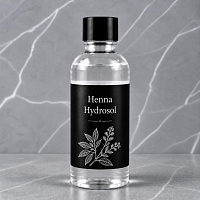
Scaling Up Hair and Scalp Care Formulas with Henna Hydrosol

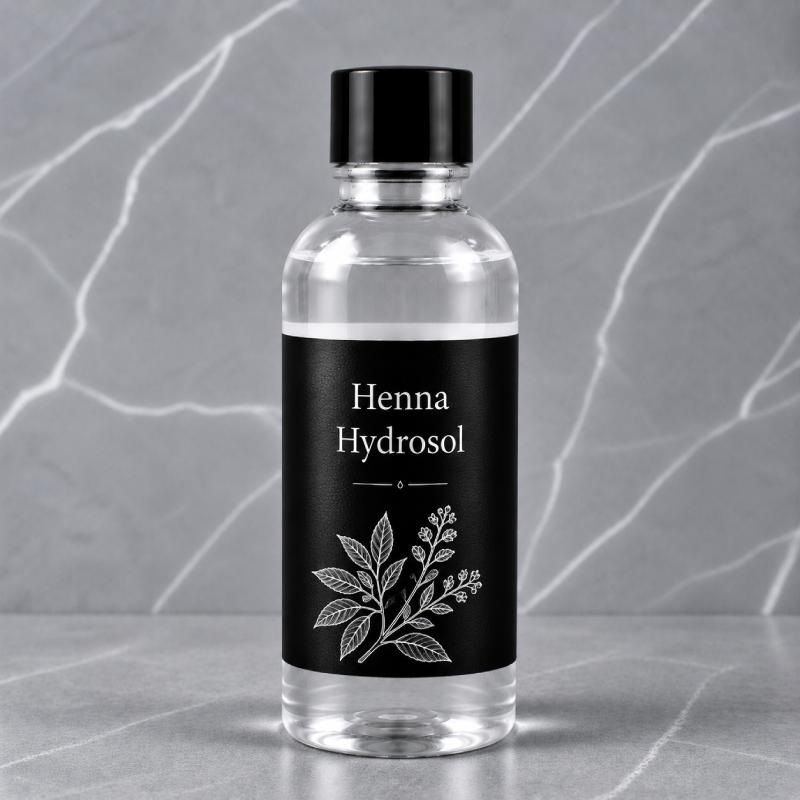
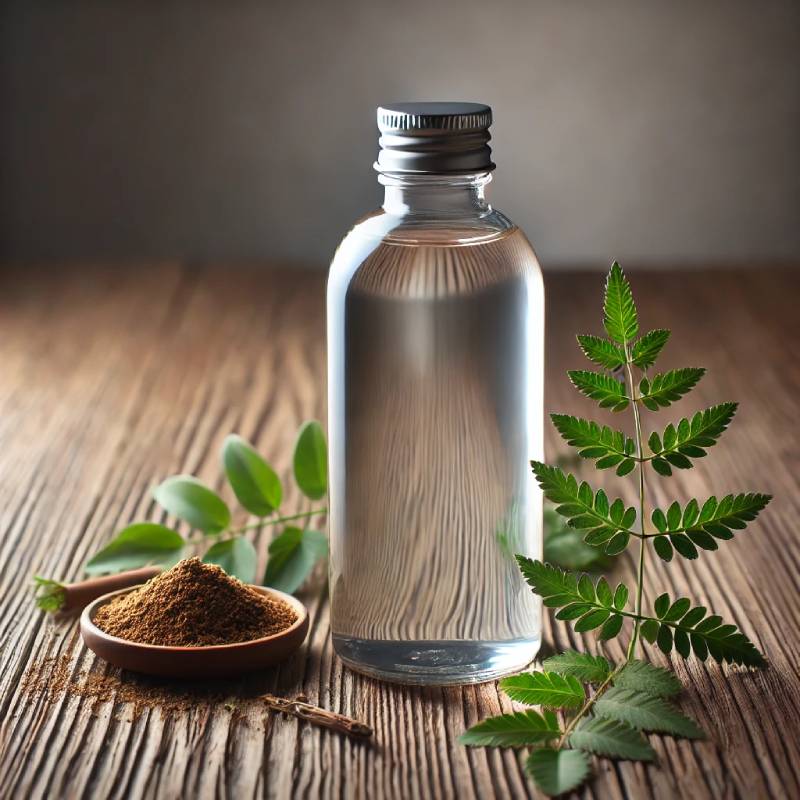
Distilled from henna leaves through steam extraction, this floral water has moved well beyond niche natural cosmetics and is now widely used in professional hair care manufacturing, scalp tonics, and household formulations that call for a botanical astringent base. The one liter size is aimed at small studios, workshops, and labs that need a dependable volume of raw material for recurring batches of shampoos, conditioners, leave-in sprays, and masks without constant reordering. This hydrosol belongs to the broad category of hydrosols and floral waters, within which it stands out for its noticeably toning and astringent character, making it a favorite for formulas targeting oily or irritated scalps.

The primary application is in hair care manufacturing: shampoos, conditioners, leave-in sprays, and tonics designed to reduce hair loss and strengthen the roots. Unlike henna powder, the hydrosol does not dye hair, but it carries a portion of the plant's tannins and toning compounds, so finished products help control scalp oiliness, refresh hair between washes, and add extra shine. A second major use is skin care for the face and body: toners, lotions, and masks for oily or blemish-prone skin, as well as after-shave and post-depilation formulas, where the astringent quality helps tighten pores and calm irritation. In household chemistry, henna hydrosol appears less frequently but can be found in some natural fabric fresheners and textile care blends as a mild herbal fragrance component.

In production formulas, henna hydrosol is added during the water phase, replacing part or all of the distilled water called for in a recipe. The introduction temperature is not critical: it can be blended into a cold phase or into a base warmed to 40-50 degrees Celsius, though prolonged heating above 60 degrees should be avoided to preserve the volatile compounds. A typical usage rate in shampoos and tonics ranges from 20 to 80 percent of the total water phase, depending on the desired concentration and compatibility with other ingredients. It blends well with other botanical waters: in combined scalp tonics it is often paired with aloe hydrosol for additional moisture and to soften irritated skin, while lavender hydrosol is frequently added for its calming effect and pleasant scent in the finished product. Such combinations let formulators build multifunctional products without relying heavily on synthetic additives.

When working with the larger bottle, proper storage matters: keep the hydrosol away from direct light at a temperature between 4 and 20 degrees Celsius, use it within a few months once opened, and reseal the container tightly after each use. For labs running small test batches or evaluating the raw material before committing to a larger order, it can be practical to first try the smaller henna hydrosol 50 ml and then switch to the liter size for ongoing production runs. Avoid mixing the hydrosol with strong oxidizers or storing it in unlined metal containers, as this can affect the stability of the formula.

Balancing Scalp Tonic for Oily Hair

Henna hydrosol 300 ml

Aloe hydrosol 150 ml

Liquid panthenol 10 ml

Broad spectrum preservative 5 ml

Tea tree essential oil 3 ml

Distilled water up to 500 ml

Combine all liquid ingredients in a clean container in the order listed, mixing thoroughly after each addition. Add the panthenol at room temperature, then the preservative, and finally the essential oil, before topping up with distilled water to the target volume and transferring into a spray bottle. Apply the finished tonic to the scalp between washes to reduce oiliness and refresh the hair.
Characteristics:
INCI Hydrolat Henna
Other
Application Lotions and tonics, creams, in pure form, cosmetic ice, shampoos, hair tonics, shower gels. Cosmetic application: 1-100%, elbow sensitivity test
Att brand Ukraine
Attention Mandatory testing for sensitivity and allergic reaction, preliminary application to the bend of the elbow
Color product transparent, opalescent
Features foams when shaken, may give a slight organic sediment, due to the naturalness of the raw materials used
Input percentage 1-100%, elbow sensitivity test
Method preparation distillation process
Minimum count 1
Name Henna Hydrosol 1 L
Other names scented water, flower water, hydrosol
Packaging container for transportation
Packing 1 liter
Raw materials henna
Solubility in water
Valid until 03.2028
Reviews (5) Add a review
Product rating:
  • Date:
    12 April 2024
    Author:
    Ирина, Лион
    Reviews

    Очень довольна покупкой! Брала масло для ногтей и кутикулы. Качество отличное, доставка быстрая.

    Is the review useful? Yes (0) No (0)
  • Date:
    today
    Author:
    Марта, Артемівськ
    Reviews

    Продавец отправил быстро.

    Is the review useful? Yes (0) No (0)
  • Date:
    today
    Author:
    Женя, Киев
    Reviews

    Хороший качественный товар по вменяемый цене. Хороший сервис. Рекомендую

    Is the review useful? Yes (0) No (0)
  • Date:
    today
    Author:
    Света, Одесса
    Reviews

    С компанией давно, нравится качество товара,

    Is the review useful? Yes (0) No (0)
  • Date:
    today
    Author:
    Юля, Херсон
    Reviews

    Спасибо большое коллективу магазина за качество обслуживания и представленных товаров. Всем рекомендую покупать именно здесь!!! Успехов Вам и процветания!

    Is the review useful? Yes (0) No (0)
Show all reviews
Add a review
Your score:
Send feedback
Error

Close window
Product added to cart
Total:
Request the price of the product
Fill in the details for the price request
Request a price Request a price