Sourcing and specification profile
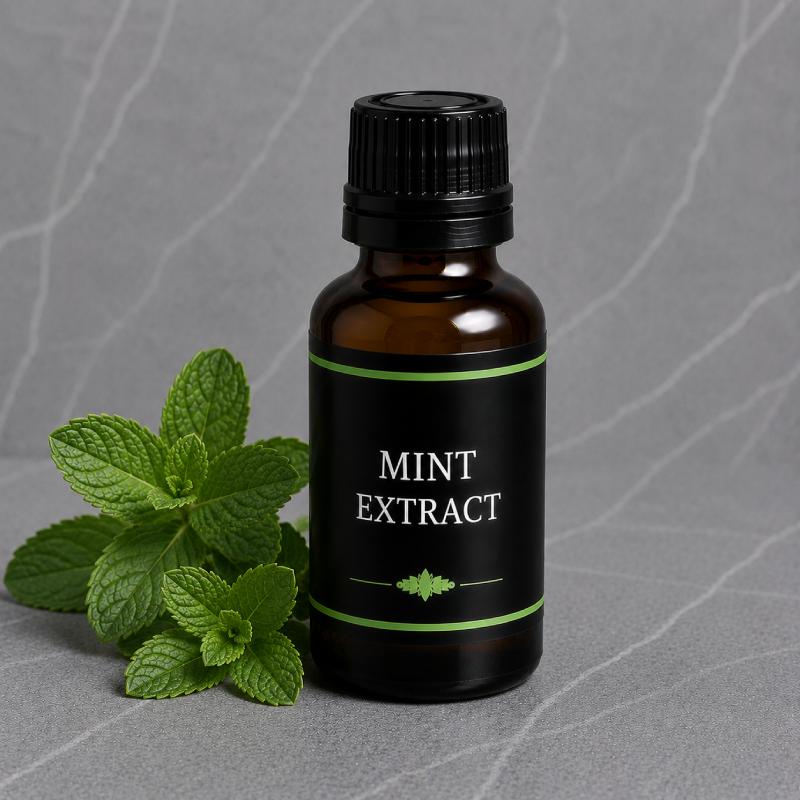
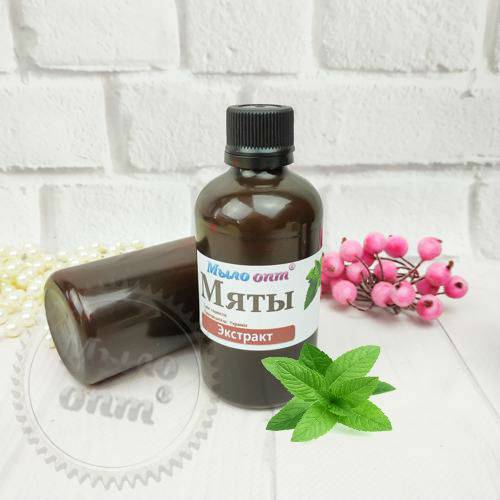
Mint extract 100 ml originates from Ukraine and carries INCI Menhta piperita extract. Liquid Extracts of this type are obtained via hydroalcoholic or glycerin-water extraction. Cosmetic laboratories and supplement manufacturers source the material for consistent cooling and aromatic notes in finished formulas. The 100 ml size supports initial testing before larger commitments. This format allows precise dosing during development stages where exact concentration control determines final sensory profile and stability of the batch. Buyers in the supplement sector appreciate the standardized concentration range of 3 to 7 percent depending on the target preparation.
Technical parameters for formulation
Solubility covers water, alcohol and glycerin. Recommended input ranges from 1 to 5 percent in cosmetic bases and lower percentages in food blends. Addition occurs after cooling the batch to 35-40 °C to protect volatile components. Mint Extract 1 L allows scaling once small-batch validation is complete. Temperature control during incorporation remains critical because excessive heat can diminish the characteristic volatile fractions responsible for the cooling sensation. Formulators working with emulsions should verify compatibility in both oil-in-water and water-in-oil systems prior to full production runs.
Sample scalp toner
Distilled water 82 ml, mint extract 4 ml, glycerin 5 ml, hop extract 4 ml, preservative 1 ml, grapefruit extract 4 ml. Blend all ingredients at room temperature and package in spray bottles. This supports sebum balance and freshness for regular use. The resulting liquid applies evenly and provides a light tingling effect that many users associate with cleanliness without leaving residue on the scalp. Stability testing of the finished toner should include accelerated aging to confirm that the aromatic profile remains consistent over the declared shelf period.
B2B applications across industries
The extract serves as botanical raw material for dietary supplement producers and food factories making beverages, confectionery and functional foods. Private formulators and global manufacturers purchase both retail and wholesale quantities for cosmetics, hair care and oral hygiene products. Botanical Extracts in this category meet diverse industrial needs worldwide. Supplement manufacturers incorporate the material into capsules, powders and liquid formulations where its aromatic character complements other botanical ingredients. Food industry clients rely on it for flavor development in soft drinks, syrups and confectionery items where a clean mint note is desired without additional synthetic additives.
Cosmetic formulation examples
Product developers integrate the extract into facial toners, after-shave lotions, body mists and hair conditioners at the cooling stage of production. Its compatibility with glycerin phases makes it suitable for clear gel textures popular in modern skincare lines. When used in masks or overnight treatments the percentage is typically kept at the lower end of the range to avoid overpowering other active components. International cosmetic labs value the predictable performance across different climate conditions due to its stable extraction profile.
Storage guidelines
Keep in a cool dark place in a tightly closed container; shelf life extends to December 2028. Exposure to direct sunlight or elevated temperatures accelerates degradation of key aromatic compounds and should be avoided during both storage and transport. Regular inventory checks ensure that batches remain within specification before use in commercial production.
Frequently asked questions
What pack sizes are available beyond 100 ml?
A 1 L option exists for scaling production after initial trials.
Is the extract suitable for beverage development?
Yes, it is used as raw material in drink and syrup formulations by food industry clients.
Can it be combined with other botanical extracts?
It pairs effectively with coffee, hop and citrus extracts in toning and sebum-balancing systems.