Plant-Based Soy Pepide That Boosts Skin Firmness and Barrier Strength
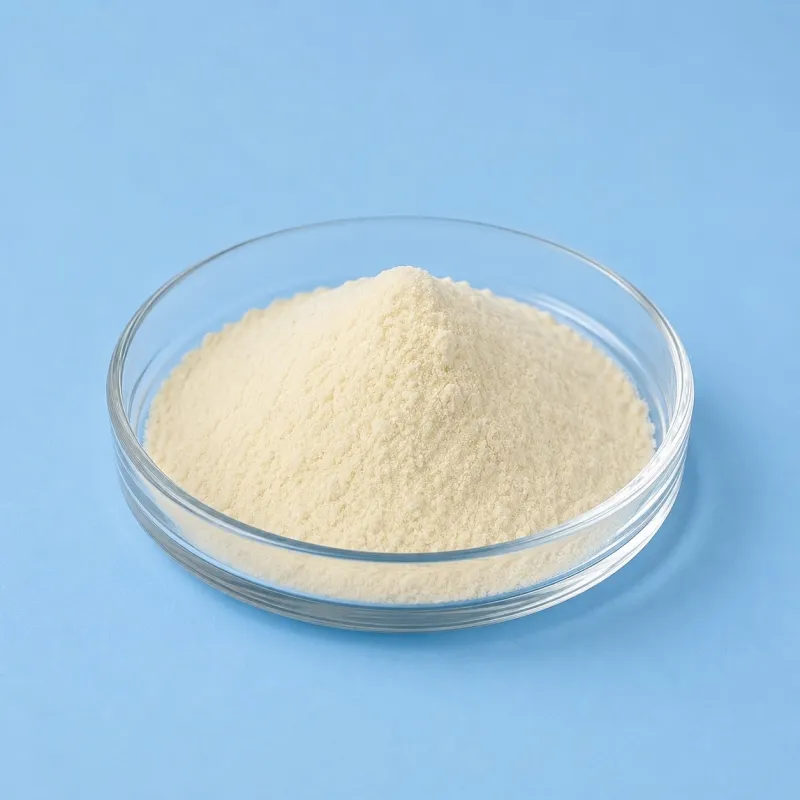
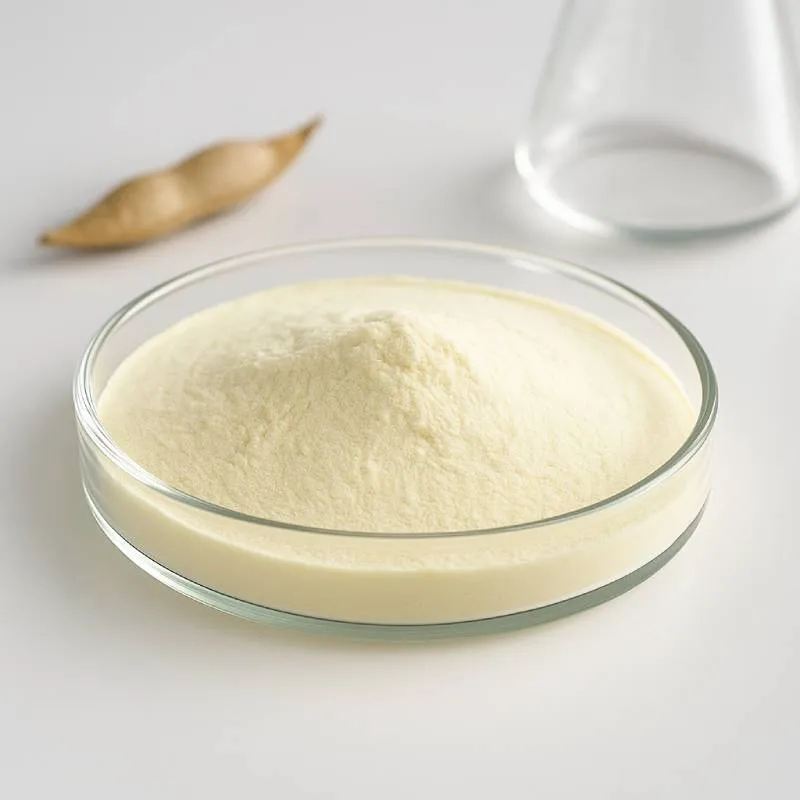
Soy protein peptide is produced through enzymatic hydrolysis of plant-based soy protein, breaking large molecules down into short peptide fragments and free amino acids that are easily absorbed by skin and hair fiber. This fragmentation is what makes the raw material valuable: unlike whole protein, peptides can penetrate the upper layers of the epidermis, support elasticity, and contribute to strengthening the skin's protective barrier while stimulating cellular metabolic activity. The ingredient belongs to the Peptides for Cosmetics category, which brings together modern active compounds for skincare formulations of varying complexity.
The primary global demand for soy peptide comes from skincare manufacturing — serums, creams, emulsions, lotions, and masks with firming and toning properties. Beyond cosmetics, plant-derived soy peptides are widely used in functional food supplements and sports nutrition thanks to the high bioavailability of their amino acids, and they appear in pharmaceutical research exploring the regenerative and antioxidant potential of plant proteins. In hair care, soy peptide is incorporated into sulfate-free shampoos and treatment masks to strengthen hair structure and reduce breakage, since short peptide chains can fill microscopic damage in the keratin layer.
Soy Protein Peptide belongs to the cosmetic peptides group and fits within the broader selection of cosmetic actives. For larger volumes the Soy Protein Peptide, 1 kg option is available, while compatible ingredients include Hydrolyzed Glycosaminoglycans, 2 g.
The 10 gram packaging is well suited for home cosmetic making and small trial batches: this amount is enough to test the ingredient across several formulations, fine-tune the optimal concentration, and evaluate the texture of the finished product before scaling up to larger purchases. The recommended dosage typically ranges from 1 to 5 percent of the total formula weight, and the peptide should be added during the cool-down phase, once the base emulsion has dropped below 40 degrees Celsius, to prevent degradation of the active fragments from heat exposure.
Soy peptide pairs well with other active compounds from the peptide category — for instance, it can be combined with Timecode Peptide to enhance anti-aging performance in rejuvenating serums, or with Ameliox, whose liposomal delivery form helps extend the stability of active compounds within the finished formula. For formulations targeting skin barrier reinforcement and support of the skin's local immune response, plant-based soy peptide pairs effectively with Bodyfensine Peptide.
Store the raw material in a dry, cool place, in tightly sealed packaging protected from direct sunlight and moisture, at stable room temperature without sudden fluctuations. Once opened, use the contents within a reasonable timeframe and avoid contact with water before the peptide is introduced into a formulation.
Firming Facial Serum with Soy Peptide
Distilled water 65 ml
Aloe vera juice 10 ml
Vegetable glycerin 5 ml
Soy protein peptide 2 g
Xanthan gum 0.3 g
Broad spectrum preservative 1 ml
Disperse the xanthan gum gradually into the water while stirring continuously until a smooth, lump-free gel forms, then blend in the aloe vera juice and glycerin until fully combined. Once the base has cooled to room temperature, add the soy peptide and preservative, stirring gently until completely dissolved. Transfer the finished serum into a dark dropper bottle and let it rest for 24 hours to stabilize the texture before first use.
FAQ
What is the solubility of Soy Protein Peptide?
It is soluble in water. Formulators should note this when adding Пептид протеин Сои in the 10 g pack to a recipe.
What packing size is offered for this product?
It is supplied in 10 gram packs.
What input percentage is recommended?
The recommended input percentage for Soy Protein Peptide 10 g with INCI Glycine Soja Protein is 2-7%.
How should Soy Protein Peptide be stored?
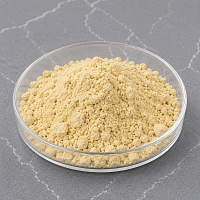
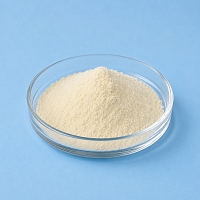
Store Soy Protein Peptide 10 g in beige powder form in a dry cool place in closed packaging.