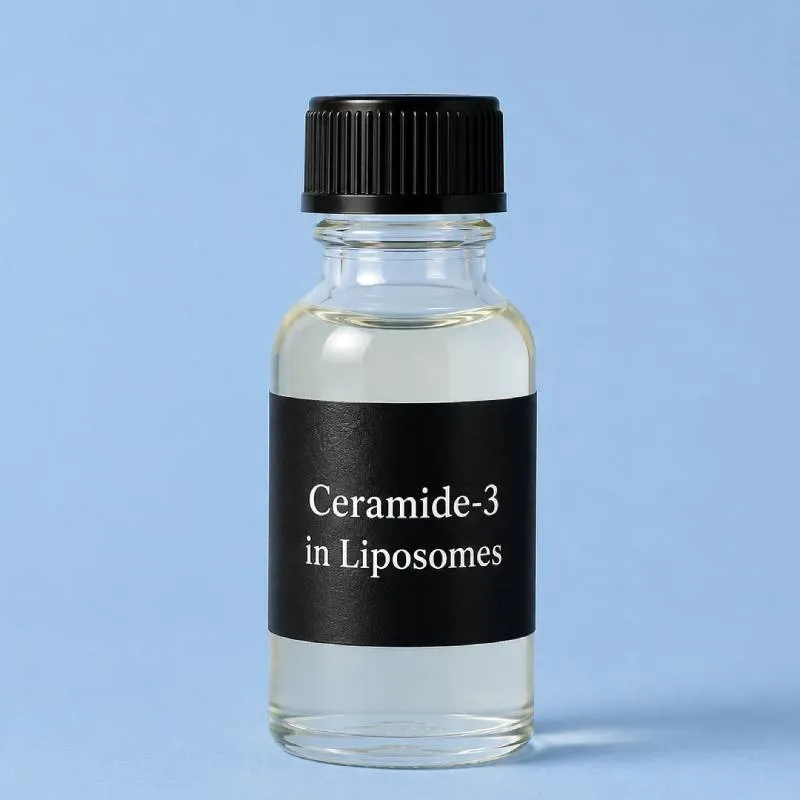
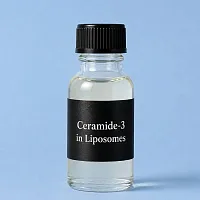
Ceramide-3 Liposomes for Barrier Care, Skin Comfort and Advanced Cosmetic Formulations
Ceramide-3 Liposomes is an advanced cosmetic active developed for formulations designed to support the skin barrier, improve skin comfort and create sophisticated skincare products for dry, sensitive and mature skin. The liposomal delivery system allows ceramide to be incorporated into creams, serums, emulsions, gels, masks, post-cleansing products, body care formulations and professional skincare systems with excellent dispersion and formulation flexibility.
For cosmetic manufacturers, Ceramide-3 Liposomes offers an efficient way to formulate barrier-focused products without the processing challenges associated with traditional ceramides. The ingredient is widely used in modern barrier care, sensitive skin, microbiome-friendly, age-focused and premium skincare concepts.
Why ceramides have become essential cosmetic ingredients
Ceramides are naturally occurring lipids found within the outer layers of healthy skin. They play an important structural role in maintaining the skin barrier and are widely incorporated into cosmetic formulations intended to improve the feeling of softness, smoothness and overall skin comfort.
Ceramide-3 is especially popular in products formulated for dry, delicate and mature skin. It supports modern skincare concepts focused on strengthening the skin's lipid environment while providing elegant sensory performance suitable for everyday cosmetic use.
Benefits of liposomal delivery technology
Conventional ceramides are relatively difficult to formulate because they require careful dispersion, specialized processing and compatible lipid systems. Liposomal technology significantly simplifies this process.
Liposomes are microscopic phospholipid vesicles capable of dispersing lipid-based cosmetic ingredients more evenly throughout water-containing formulations. This allows formulators to develop lightweight creams, hydrating serums, elegant emulsions and modern gel formulations while maintaining excellent cosmetic aesthetics.
The liposomal carrier also contributes to smoother incorporation into formulations, reducing processing complexity during product development.
Function within cosmetic formulations
Ceramide-3 Liposomes functions as a lipid-based cosmetic active supporting barrier-oriented skincare formulations. It contributes to products designed to leave the skin feeling smooth, comfortable and well conditioned without producing an excessively heavy or greasy finish.
Within emulsions it works well alongside emollients, plant oils, squalane, phospholipids, cholesterol-inspired lipid systems and moisturizing ingredients. In water-based serums, the liposomal format enables the creation of elegant lightweight textures suitable for layered skincare routines and daily cosmetic use.
Cosmetic applications
Ceramide-3 Liposomes is widely incorporated into facial creams, barrier repair serums, moisturizing emulsions, hydrogels, facial masks, post-cleansing products, post-acid skincare, eye creams, neck and décolleté products, body lotions, hand creams, aftershave products, scalp care formulations and professional SPA treatments.
Within facial skincare it performs particularly well in barrier-focused creams, lightweight daily emulsions, overnight skincare products, soothing cosmetic concepts and restorative formulations. In body care it is used in lotions, creams, body milks and after-shower products. Hair and scalp formulations may include Ceramide-3 Liposomes in lightweight lotions and conditioning emulsions for dry scalp care.
Compatibility with cosmetic ingredients
Ceramide-3 Liposomes is compatible with purified water, hydrosols, glycerin, propylene glycol, panthenol, allantoin, niacinamide, sodium hyaluronate, betaine, mild emulsifiers, squalane, jojoba oil, sweet almond oil, macadamia oil, oat oil, lightweight emollients, phospholipids, lecithin, vitamin E and numerous botanical extracts.
For more advanced formulations, compatibility should be evaluated with high acid concentrations, strong surfactant systems, elevated electrolyte levels, alcohol-rich formulations, cationic polymers and products formulated at very low or very high pH. To preserve liposomal integrity, prolonged heating and excessive mechanical shear should be avoided during the final manufacturing stage.
Recommended use levels
Facial serums 1-5%
Creams and emulsions 1-5%
Hydrogels 1-3%
Facial masks 2-6%
Eye care products 0.5-3%
Hand creams 1-5%
Body lotions and body milk 1-5%
Post-cleansing products 1-4%
Scalp care products 1-3%
Professional cosmetic formulations according to formulation requirements
Barrier support serum with Ceramide-3 Liposomes
Purified water 74 ml
Glycerin 4 ml
Propylene glycol 3 ml
Xanthan gum 0.4 g
Panthenol 2 g
Betaine 3 g
Niacinamide 2 g
Sodium hyaluronate 0.2 g
Ceramide-3 Liposomes 5 ml
Squalane 3 ml
Light emulsion emulsifier 2 g
Preservative 1 ml
Lactic acid to pH 5.2-5.8
Disperse xanthan gum in glycerin and propylene glycol before incorporating the mixture into purified water while stirring until a smooth gel base is formed. Hydrate sodium hyaluronate separately before adding it to the formulation. Blend squalane with the emulsifier and combine with the aqueous phase to create a lightweight emulsion. After cooling, add panthenol, betaine, niacinamide, Ceramide-3 Liposomes and preservative before adjusting the pH.
The finished serum develops a light milky-gel texture with low to medium viscosity. It spreads easily across the skin, absorbs rapidly and leaves a smooth, comfortable finish without excessive oiliness. Depending on the formulation base and liposomal system, the appearance may range from milky white to slightly opalescent.
Manufacturing recommendations
Ceramide-3 Liposomes should be incorporated during the final stage of manufacturing after the formulation has cooled. This processing approach helps preserve the integrity of the liposomal carrier system and supports uniform distribution throughout the finished product.
Before commercial production, manufacturers should evaluate viscosity, pH, appearance, fragrance stability, preservative compatibility and long-term storage performance. Transparent gel formulations should be monitored for cloudiness, while emulsions should be tested for phase stability and texture consistency.
Packaging designed to minimize exposure to air and light is recommended for formulations containing liposomal cosmetic actives. Airless dispensers, pump bottles, laminated tubes and other protective packaging formats help maintain long-term formulation quality.
Ceramide-3 Liposomes is a highly valuable cosmetic ingredient for barrier-focused skincare, dry and sensitive skin formulations, age-focused products, facial creams, hydrating serums, masks, body care formulations and professional cosmetic applications. By combining the structural benefits of ceramide technology with advanced liposomal delivery, it enables manufacturers to develop sophisticated cosmetic products with excellent formulation performance and modern commercial appeal.