How Chamomile Macerated Oil Supports Calming Skincare Formulations
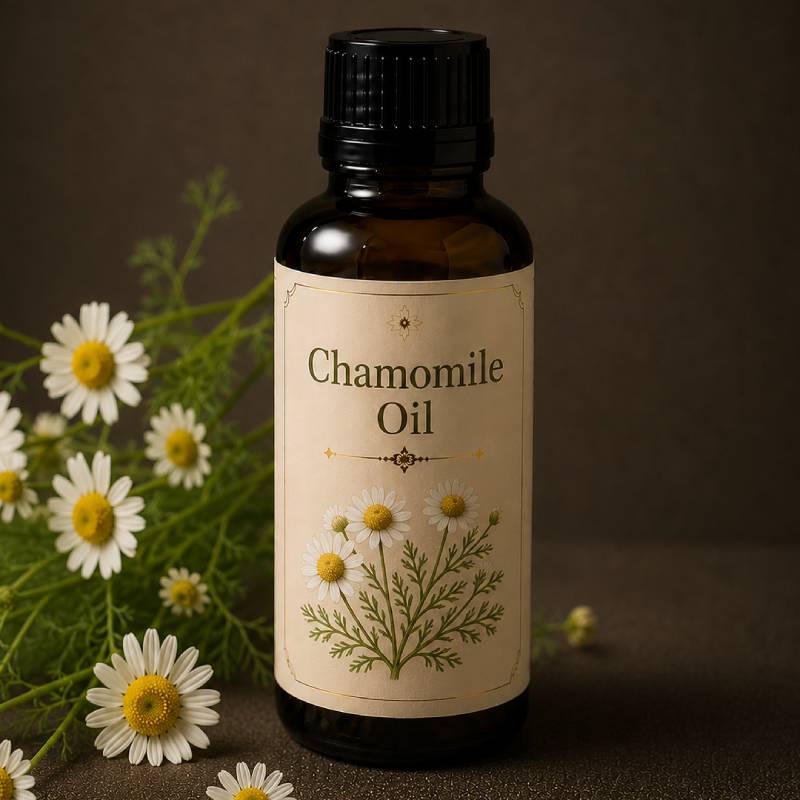
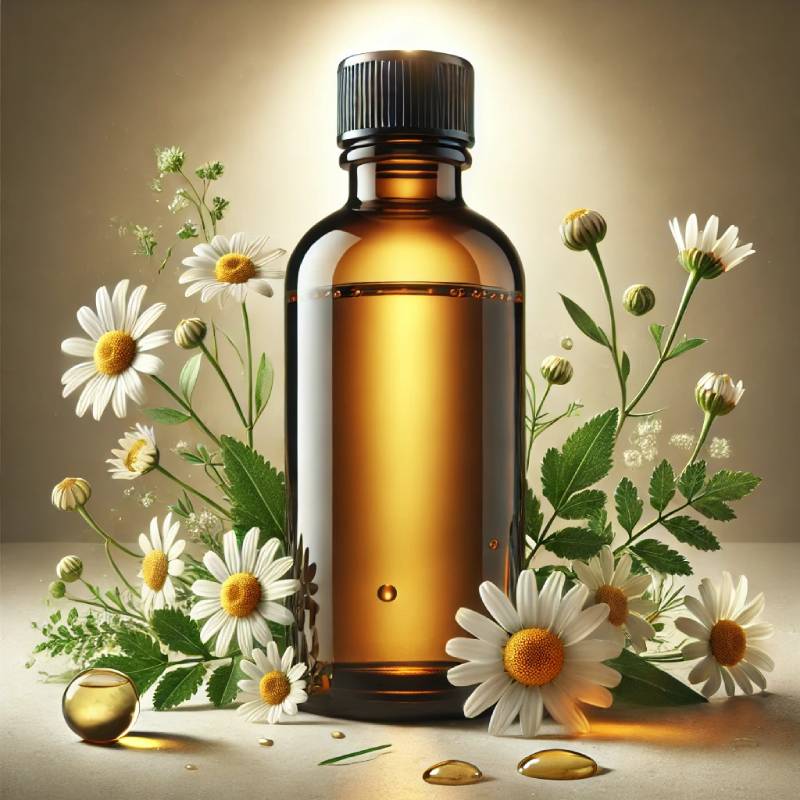
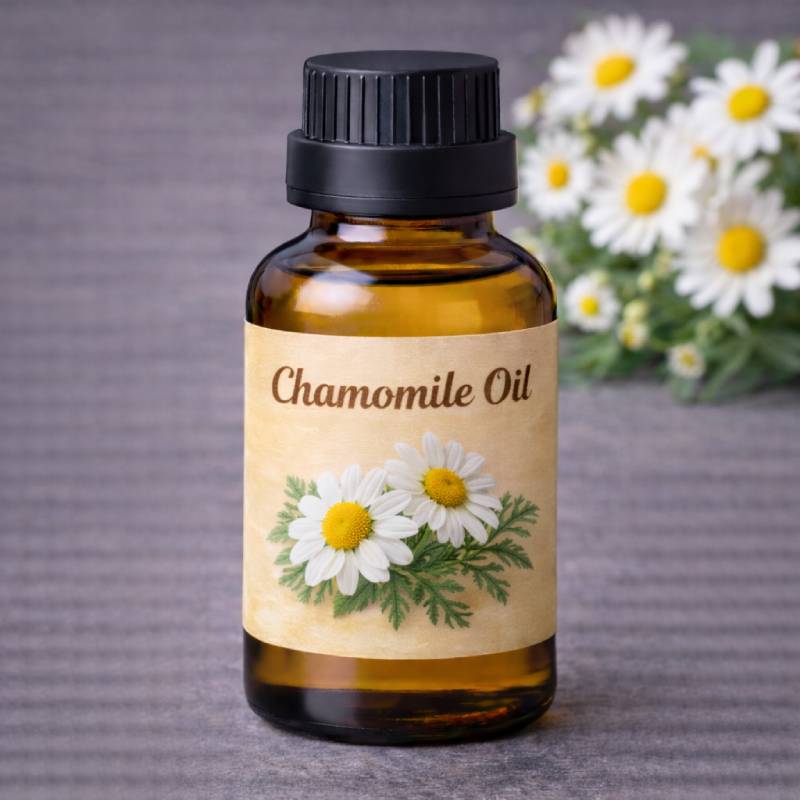
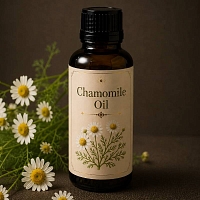
Chamomile Oil in a 1 liter volume is an infused oil produced by steeping chamomile flowers in a carrier oil over time. This packaging size suits small-batch studio production, private label skincare brands, and workshops preparing trial formulations before scaling up manufacturing. The product belongs to the Natural Macerates category, which brings together oil-based botanical extracts used across cosmetic and pharmaceutical production.
The primary application of chamomile macerate lies in caring for sensitive, easily irritated skin. The extract is widely used in creams, balms, emulsions, and serums for infants, in baby care lines, after-shave and after-sun products, and in formulations addressing redness-prone or reactive skin. Chamomile macerate performs well in eye area care formulas, lip balms, and massage oils, valued for its gentle behavior on skin without a harsh sensory profile. In pharmaceutical and dermatological manufacturing, the oil extract serves as a component of topical preparations, while in aromatherapy it functions as a carrier base for blending essential oils.
Chamomile Oil is an infused extract of chamomile stems and flowers in almond oil with a characteristic scent and is used in gels, emulsions and oil serums. The product dissolves in lipids and fits creams, balms and massage formulas. Additional options appear in the Bulk Liquid Oils section.
Chamomile macerate blends well with other botanical extracts, allowing formulators to build layered, targeted compositions. Pairing it with Amla Macerate strengthens nourishing and reinforcing properties for hair and scalp care products, while adding small proportions of Lemon Macerate suits brightening and toning emulsions. For formulations targeting oily or blemish-prone skin and scalp, Laurel Leaf Macerate can be introduced to complement the cleansing and balancing effect of the whole composition.
The macerate is added to the oil phase during the blending stage, at temperatures not exceeding 60-70 degrees Celsius, to prevent degradation of the botanical constituents from prolonged heat exposure. Recommended dosage in finished cosmetic formulas ranges from 10 to 100 percent of the oil phase, depending on the product purpose — as a standalone base for massage oils or as an additive within cream emulsions. The product should be stored in a tightly sealed container, in a cool, dark place, away from direct sunlight and heat sources, which helps preserve the stability of the composition throughout its shelf life.
In food manufacturing, similar botanical macerates occasionally serve as a flavoring base for fragrance compounds, while in candle making and perfumery they act as components for building botanical accords. The 1 liter packaging supports consistent supply for workshops working with steady order volumes and allows raw material to be planned into recipes without frequent small-batch purchasing.
Calming Body Massage Oil with Chamomile Macerate
Chamomile Oil 60 ml
Sweet Almond Oil 30 ml
Vitamin E 3 ml
Lavender Essential Oil 5 drops
Combine the chamomile macerate and sweet almond oil in a clean glass bottle, then add vitamin E to support oxidative stability of the blend. Add the lavender essential oil drop by drop while gently swirling the bottle to distribute it evenly, then seal the container and let the mixture rest for a few hours before use so the scent and oils integrate fully.
INCI name for label declarations: Oleum Chamomilla.
FAQ
What is the shelf life of Chamomile Oil and how to recognize rancidity?
The shelf life date is printed on the container. Signs of rancidity include off odor; storage in a tightly closed dark dry place helps slow oxidation.
Is Chamomile Oil refined or unrefined and what changes?
Chamomile Oil is obtained by infusion, which preserves the natural profile of the carrier oil. Grade details are stated in the specification available on request.
What is the texture and absorption of Chamomile Oil?
Chamomile Oil is a liquid oil with viscosity typical for the almond carrier; absorption rate can be checked on a sample or in the technical data sheet.
How does Chamomile Oil combine with other oils or actives?
Chamomile Oil is compatible with other lipid-phase ingredients and can be blended according to the recommended input percentages listed in the product characteristics.