What makes chamomile oil a staple in soothing skin formulas
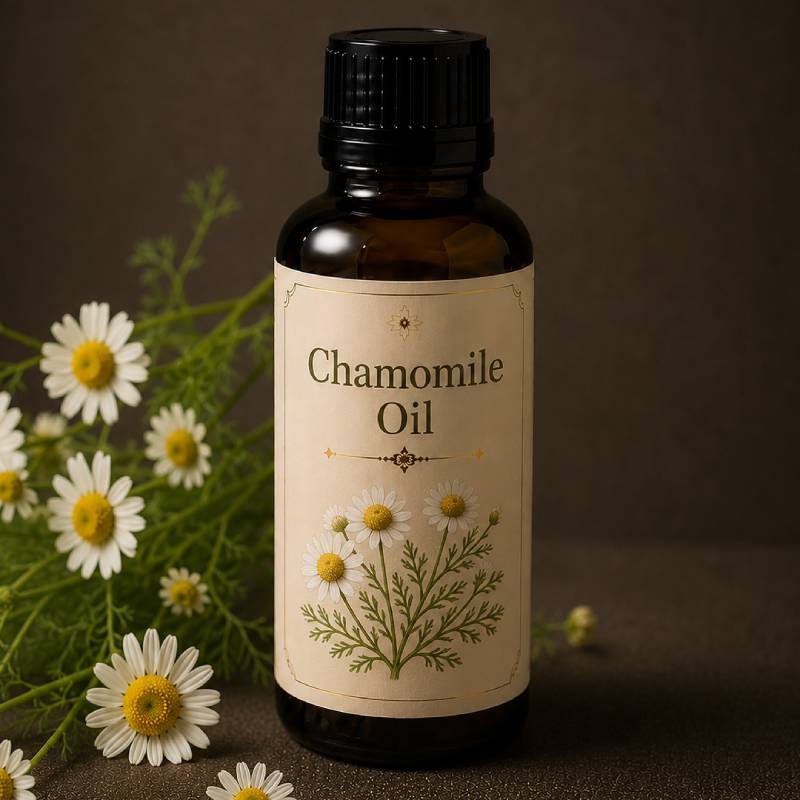
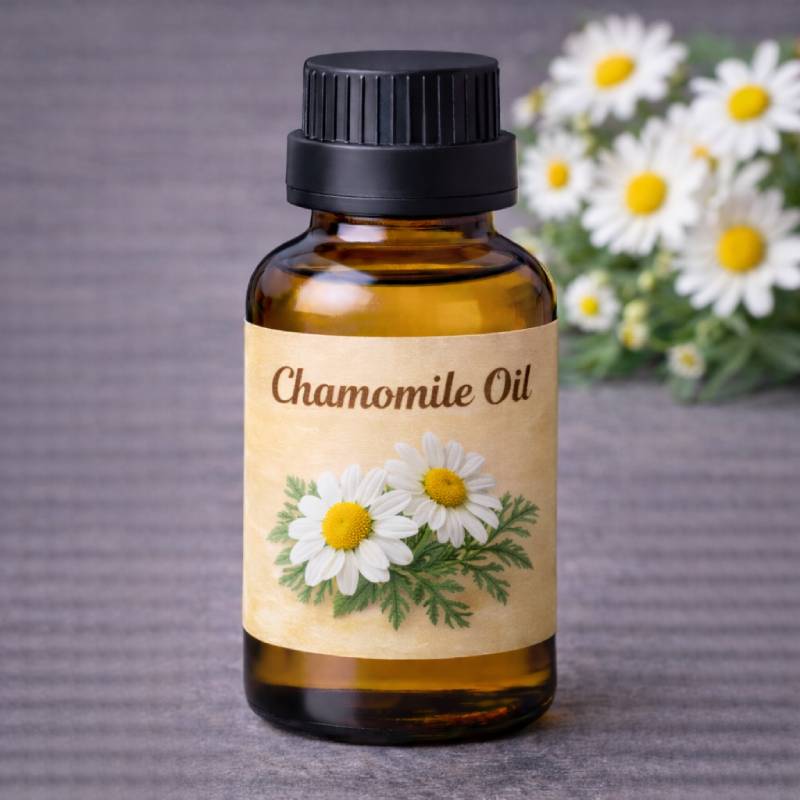
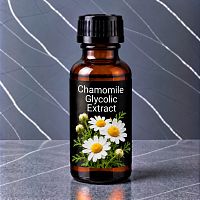
Chamomile oil, produced by infusing dried chamomile flowers in a carrier oil, retains fat-soluble compounds of the plant, including azulene and flavonoid-type substances known for their calming effect on irritated skin. This product belongs to the category of natural macerates, valued by cosmetic manufacturers for delivering concentrated plant actives without handling raw dried material directly. The 100 ml size is well suited for home-based formulation work, small trial batches, and testing new recipes before scaling to larger production runs.
The primary application of chamomile oil is skincare for sensitive, irritated, or redness-prone skin. It is commonly added to creams, emulsions, body and facial balms, after-shave products, baby care lines, and formulas for delicate areas of the body. Chamomile macerate performs well in after-sun soothing products, calming masks and serums, and massage oil blends. Beyond cosmetics, the oil is used in hair and scalp care formulations, where it helps soften the skin and reduce scalp discomfort, and it also finds use in household chemistry as a gentle additive for products designed for delicate fabrics and infant textiles.
Chamomile oil is obtained by infusion and belongs to the category of liquid oils. Liquid Oils are convenient to add to creams and balms for sensitive skin.
In formulations, chamomile oil is typically introduced during the oil phase at a temperature not exceeding 60-65 degrees Celsius to preserve its active compounds. A recommended dosage in finished cosmetic products ranges from 3 to 15 percent of the total oil phase, depending on the desired concentration and intended use. Chamomile macerate blends particularly well with other botanical extracts: interesting combinations can be created with Aloe Vera Macerate BIO, which adds an extra hydrating effect, or with Lemon Macerate for brightening and toning formulas. For smaller trial batches, the Lemon Macerate in a 50 ml size is convenient for fine-tuning ratios before committing to larger production volumes.
Chamomile oil combines well with base oils such as sweet almond, peach kernel, jojoba, and olive oil, as well as with light essential oil blends for fragrance. It is not recommended for formulations requiring high-temperature processing, since its active constituents are sensitive to excessive heat. The product should be stored in a tightly sealed container, in a cool, dark place away from direct sunlight and heat sources, which helps preserve its properties throughout the shelf life.
Chamomile oil is used in perfumery compositions with herbal and floral notes.
Calming after-sun body oil
Chamomile oil 25 ml
Jojoba oil 40 ml
Sweet almond oil 30 ml
Vitamin E 3 ml
Lavender essential oil 2 ml
Combine jojoba oil and sweet almond oil in a clean glass bottle, then add chamomile oil and mix gently until fully blended. Add vitamin E as a natural stabilizer along with lavender essential oil for fragrance, close the bottle and shake well to combine all ingredients evenly. Apply a small amount to the skin after sun exposure to help soothe and soften the affected areas, storing the blend away from direct light between uses.
Listed under the INCI name Oleum Chamomilla.
FAQ
How does chamomile oil combine with other oils or actives?
Compatibility details are provided in the specification available on request. The product is an infusion of chamomile stems and flowers in almond oil and is soluble in oils and the fatty phase.
What are the storage conditions for chamomile oil after opening?
After opening keep the product in a tightly closed container in a dark dry place as stated in the storage conditions. The expiry date on the label is 10.2028.
What is the comedogenic rating of chamomile oil as a rough guide?
The oil is intended for creams, emulsions and balms.
What is the texture, viscosity and absorption of chamomile oil?
Viscosity and absorption characteristics appear in the specification available on request. The oil has a characteristic smell and is obtained by the infusion method.