What Urea Represents
Urea functions as an organic compound that serves as a practical ingredient in cosmetic formulas and various technological systems. The material is produced through industrial synthesis, delivering consistent performance across different production processes. It integrates well with water based solutions, emulsion systems and gel structures, making it suitable for laboratory development and larger scale manufacturing of cosmetic items. Related options appear in the moisturizing actives section for formulators seeking complementary components.
Key Properties
In cosmetic mixtures urea contributes to the formation of uniform and smooth product textures. It dissolves readily in water and alcohol, supporting clear or semi transparent results in gel based preparations. The ingredient maintains stability within emulsion and serum systems, helping achieve even distribution of other components during blending.
Applications in Cosmetic Formulations
Urea finds use in creams, lotions, gels, serums and body care items within the cosmetic industry. In hair care it appears in shampoos, conditioners and masks at typical levels of 2 to 4 percent. Moisturizing products often employ 3 to 5 percent, while soothing formulas may reach up to 7 percent. Exfoliating preparations can incorporate levels up to 15 percent for addressing dry or rough skin surfaces. Additional uses occur in pharmaceutical development, agricultural technologies and functional product manufacturing. Formulators exploring hair focused options may review the hair actives catalog for related materials.
How to Incorporate Urea
Typical introduction occurs during the water phase of production at moderate temperatures. Recommended concentrations range from 2 to 4 percent in hair products, 3 to 5 percent in moisturizers, up to 7 percent in soothing agents and up to 15 percent for exfoliation purposes. The material shows solubility in water and alcohol, allowing flexible addition points depending on the final product type. Further details on actives are available in the actives catalog.
Compatibility Considerations
Urea demonstrates good compatibility with emulsion systems, gel networks and aqueous bases. It supports stable textures in both simple and complex formulas without introducing unwanted reactions under standard processing conditions. Users should verify performance in their specific base before full scale production.
Physical Characteristics
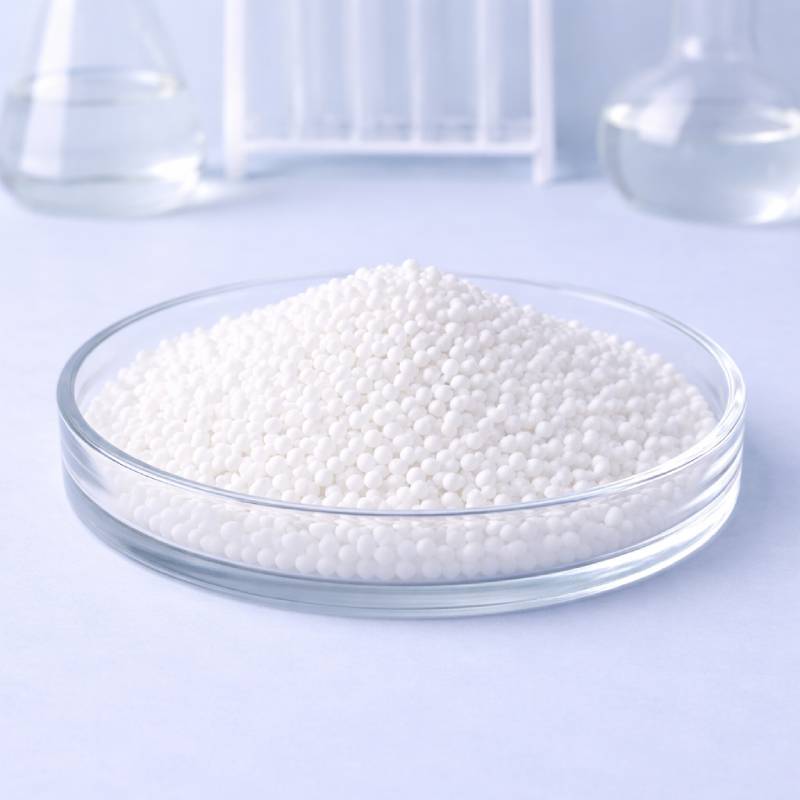
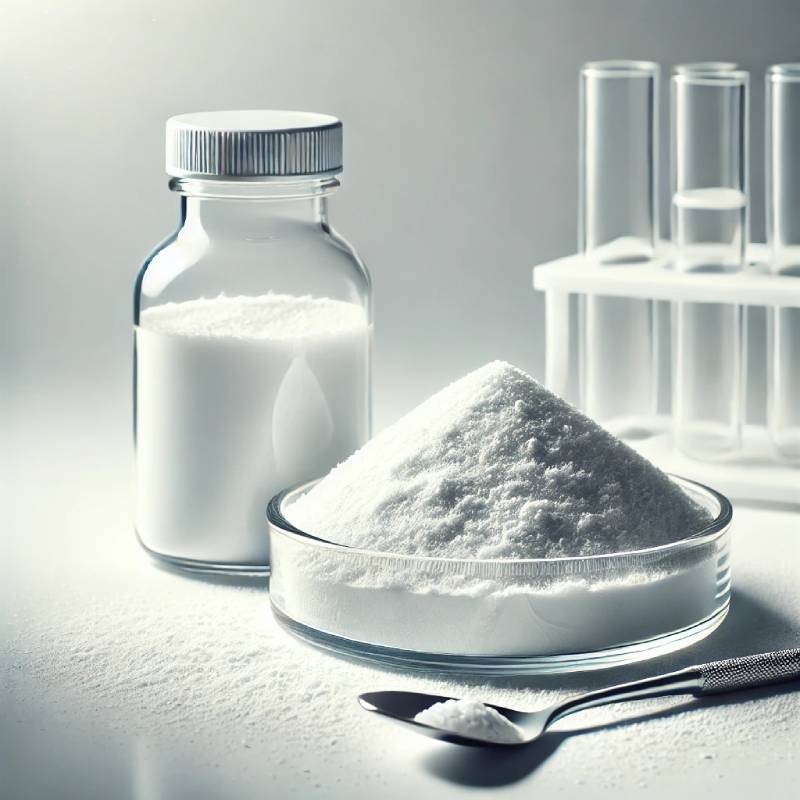
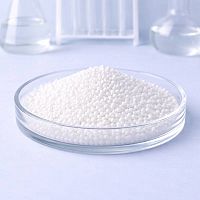
The product appears as white colorless granules with pharmacopoeial purity of analytical grade. Other designations include Carbamid, Carbamidum and Ureaphil. Packaging consists of a container suitable for transport, and the minimum order quantity stands at one unit.
Sample Formulation Recipe
A simple moisturizing gel can be prepared using the following quantities for a 100 ml batch. Distilled water 68 ml, glycerin 12 ml, urea 4 g, xanthan gum 0.8 g, panthenol 3 ml, aloe extract 6 ml, cosmetic preservative 1.2 ml. Combine distilled water with glycerin and stir until uniform. Add urea to the water phase and mix until fully dissolved. In a separate vessel disperse xanthan gum gradually into the system until a gel forms. Once the gel structure develops, incorporate panthenol and aloe extract, continuing to stir for homogeneity. Finish by adding the preservative and mixing to reach a stable final product.
Storage Recommendations
Store in a cool, dry location protected from light to maintain quality until the indicated date of 10.2028.
FAQ
What concentration range suits moisturizing creams?
Moisturizing creams typically use 3 to 5 percent urea to support hydration without altering texture.
Can urea be combined with alcohol based systems?
Yes, urea dissolves in both water and alcohol, allowing use across varied solvent types in cosmetic blends.
How does urea affect gel clarity?
Urea integrates into gel structures to help produce transparent or semi transparent results when added during the water phase.
Is urea suitable for hair care formulas?
Urea works in hair products at 2 to 4 percent, contributing to smooth application in shampoos and conditioners.