Fast worldwide delivery
Product catalog
Master classes, recipes, tips
AMIGEL rheology guide: Sclerotium Gum in gels emulsions and suspensions
A comprehensive technical formulation guide dedicated to managing rheology in cosmetics using the natural polysaccharide AMIGEL (Sclerotium Gum). This article explores the physical mechanisms of polymer hydration and network formation for structuring clear gels, light emulsions, and particle-suspending fluids. It covers pre-dispersion in polyols, electrolyte stability, shear rate handling, incompatibility limits, thermal limits, and precise pH controls. Features three complete DIY recipes with step-by-step compounding instructions and cold storage standards.
Natpure Film AP: natural film-forming technology for skin color cosmetics and hair
A comprehensive technical formulation guide dedicated to utilizing the bio-based film former Natpure Film AP (derived from sugar cane) in color cosmetics and hair care. This article breaks down the physical mechanics of flexible film creation, moisture resistance, and pigment adhesion enhancement. It covers aqueous dissolution protocols, compatibility with natural polymers and gums, thermal boundaries, and precise pH controls. Features three complete DIY recipes with step-by-step compounding instructions and storage standards.
ViableCare LipoCare 8: integrating a liposomal ceramide complex into barrier-care formulas
A comprehensive technical formulation guide to designing skin barrier restoration creams and liposomal fluids using ViableCare LipoCare 8. This article breaks down the physiological mechanism of ceramide integration into stratum corneum lipids to stop transepidermal water loss. It details exact processing protocols to protect liposomal structures, low-shear cooling phase entry below thirty degrees Celsius, emulsifier compatibility, and pH boundaries. Features three complete DIY recipes with step-by-step compounding instructions and cold storage standards.
Product Description

Butylene Glycol (1,3-Butanediol): The Multifunctional Solubilizer and Humectant

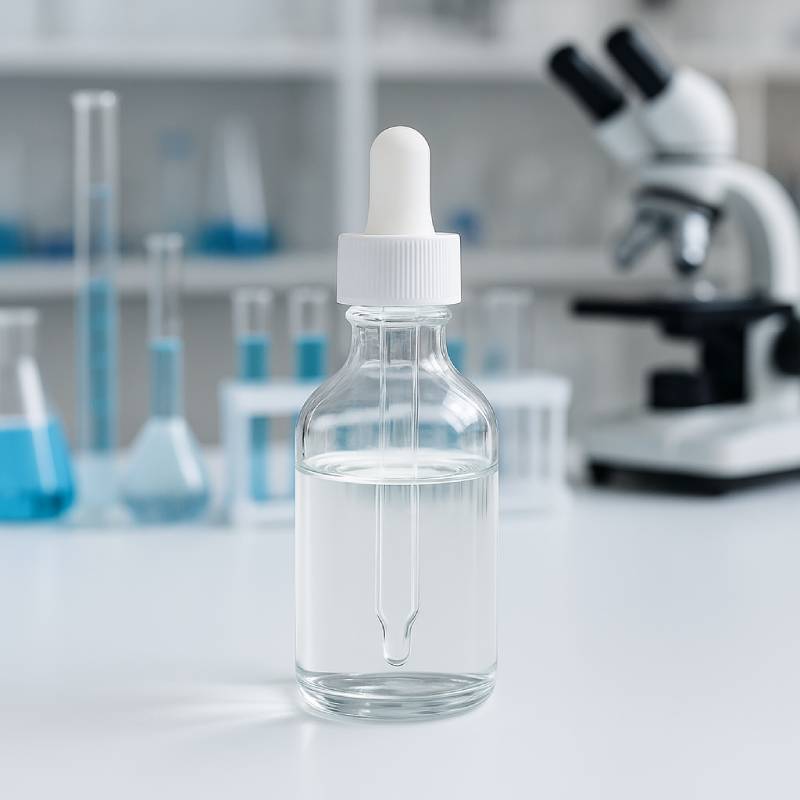
Introducing Butylene Glycol (INCI: Butylene Glycol), a high-purity, versatile ingredient sourced from Germany. This clear, slightly viscous liquid is a staple across the cosmetics, pharmaceutical, and food industries. It is completely water-soluble and known for its exceptional capabilities as a humectant, solvent, penetration enhancer, and stabilizer. With a neutral pH range of 6.0–7.0, Butylene Glycol integrates smoothly into virtually any water-based formulation, offering superior performance and compatibility.

Product Description and Core Properties

Butylene Glycol (also known as 1,3-Butanediol) is a diol alcohol that functions primarily as a powerful humectant, drawing moisture into the skin and preventing transepidermal water loss (TEWL). Its low molecular weight allows it to enhance the delivery of active ingredients, acting as an effective penetration enhancer. Beyond skincare, its solvent properties are invaluable for dissolving extracts, pigments, and fragrances, ensuring uniformity and stability in complex formulas.

Key properties and benefits:

  • Superior Humectancy: Effectively hydrates the skin, boosting elasticity, smoothness, and flexibility.

  • Penetration Enhancer: Improves the bioavailability and absorption of other active substances into the skin and hair.

  • Solvent and Dispersant: Excellent for dissolving pigments and fragrances, ensuring they are evenly distributed throughout the product.

  • Emulsion Stabilizer: Helps to stabilize emulsions, preventing phase separation and extending product shelf life.

  • Preservative Booster: Enhances the efficacy of preservatives and anti-bacterial agents, often allowing for lower concentrations of traditional preservatives.

  • Irritation Reducer: Minimizes the irritating effects of surfactants (SLA) in cleansing products like shampoos and shower gels.

  • Excellent Compatibility: Highly compatible with the vast majority of cosmetic raw materials, essential for complex formulations.

Applications and Usage Areas

Butylene Glycol's multifunctional nature makes it a foundational ingredient utilized across multiple global industries.

1. Cosmetic and Personal Care:

  • Skincare (Creams, Serums, Toners, Masks): Used as a primary humectant and solvent in anti-aging creams, serums, and hydrating tonics. Dosage: 2–10%. It softens the skin and provides a silky feel.

  • Hair Care (Shampoos, Conditioners, Balms): Reduces the harshness of surfactants, acts as a solvent for hair actives, and helps retain moisture in hair fibers. Dosage: up to 10%.

  • Decorative Cosmetics: Ensures uniform application of pigments in liquid foundations, eyeliners, and lip products. Dosage: 1–5%.

  • Cleansing Products (Shower Gels, Liquid Soap, Hydrophilic Oils): Improves lather texture and reduces skin irritation.

2. Pharmaceutical and Dermatological Use:

  • Topical Formulations: Acts as a stabilizer and solvent for herbal extracts, vitamins, and active components in external medicinal forms, such as ointments, gels, antiseptic solutions, and dermatological creams. Dosage: 1–15%.

  • Bioavailability: Increases the bioavailability of active ingredients, making the medicinal product more effective.

3. Food Industry (E1520 Additive):

  • Flavor and Emulsion Stabilizer: Used as a stabilizer of flavor and aroma in food emulsions, syrups, non-alcoholic beverages, and desserts. Approved as a food additive E1520. Dosage: up to 2%.

4. Household and Industrial Chemistry:

  • Liquid Detergents and Cleaners: Included in liquid cleaning gels, polishes, fabric softeners, and air fresheners as a solvent and moisture-retaining agent to prevent crystallization. Dosage: up to 20% (for high-concentration applications).

Recommended Dosage:

  • General Cosmetics: 1% to 10%.

  • Serums and Tonics: 2%–5%.

  • Creams, Shampoos, Gels: up to 10%.

  • Pharmaceuticals: 1%–15%.

Recipe: Ultra-Hydrating Facial Toner/Mist

Formulate a simple, yet highly effective moisturizing toner using Butylene Glycol to enhance hydration and improve the penetration of subsequent skincare products.

Ingredients:

  • 89 g Distilled Water or Hydrosol (e.g., Rose Water)

  • 5 g Butylene Glycol

  • 3 g Glycerin

  • 2 g Niacinamide (Vitamin B3)

  • 1 g Preservative (e.g., Cosgard)

Instructions for Preparation:

Combine the Liquid Base: In a clean, sanitized beaker, combine the Distilled Water/Hydrosol, Butylene Glycol, and Glycerin. Stir gently until fully mixed.

Dissolve the Active: Slowly add the Niacinamide powder to the liquid mixture. Butylene Glycol acts as a solvent, aiding in the complete and rapid dissolution of the Niacinamide. Continue stirring until the solution is clear.

Add the Preservative: Introduce the preservative and stir thoroughly to ensure even distribution.

Final Check: Measure the pH to ensure it is within a skin-friendly range (typically 5.0–6.0). Adjust with a few drops of Lactic Acid if necessary.

Packaging: Pour the finished toner into a sterilized bottle with a fine mist spray cap or disc top.

Recommendations:

  • Penetration: The 5% Butylene Glycol concentration ensures the Niacinamide and Glycerin penetrate the skin more effectively, boosting their benefits.

  • Texture: The addition of Butylene Glycol gives the toner a smoother, less watery feel, improving application.

  • Usage: Apply to the face after cleansing using a cotton pad or by misting directly onto the skin. Follow with a serum or cream.

Characteristics:
INCI Butylene Glycol
pH нейтральный, в диапазоне 6.0–7.0
Other
Application Serums, creams, masks, tonics, shampoos, balms, shower gels, sunscreens, decorative cosmetics, hair care, antiperspirants, liquid soap, disinfectant solutions, hydrophilic oils, emulsions and cream-gels, external dosage forms, ointments, gels, solutions for skin treatment, antiseptic liquids, drops, lotions, warming compositions, dermatological preparations, gelling mixtures, flavorings, syrups, food emulsions, flavor and aroma stabilizers, soft drinks, desserts, functional foods, detergents, polishes, cleaning gels, fabric softeners, air fresheners, fragrances, technical fluids with antiseptic properties
Att brand Germany
Color product colorless
Dosage In cosmetics, from 1 to 10%, depending on the product type. In serums and toners, usually 2–5%. In creams, shampoos, and gels, up to 10%. In pharmaceutical forms, 1–15%, depending on the composition. In food flavorings and additives, up to 2%. In household chemicals, up to 20%, if it functions as a solvent or moisturizer.
Features All information presented on the site is for reference only
Minimum count 1
Name Butylene glycol, 1 L
Other names 1,3-Butanediol, 1,3-butylene glycol, butane-1,3-diol, butylene alcohol glycol, 1,3-butanediol
Packaging container for transportation
Packing 1 L
Properties Moisturizes the skin, preventing transepidermal water loss Increases skin elasticity and smoothness Improves the distribution of cosmetics on the surface Promotes the uniform application of pigments and fragrances Stabilizes the composition of emulsions and active ingredients Enhances the action of preservatives and antibacterial additives Compatible with most cosmetic ingredients Reduces the irritating effect of surfactants in shampoos and gels
Purpose Cosmetic Uses Used as a moisturizing component, solvent, preservative, and enhancer of active ingredient penetration into the skin. It softens, imparts a silky feel, and facilitates distribution. Pharmaceutical Uses Used as a solvent and stabilizer for extracts, vitamins, and pharmaceutical formulations, including topical antiseptics and dermatological gels. It increases the bioavailability of active ingredients. Food Industry Uses It is a component of fragrances, emulsions, and gel bases and can be used as a moisture-binding agent and texture stabilizer. It is approved for use as food additive E1520. Household Chemical Uses It is included in liquid detergents, rinses, conditioners, fragrances, air fresheners, and cleaning fluids as a solvent and moisture-retaining agent.
Solubility in the water
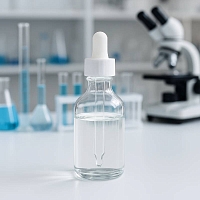
View transparent viscous liquid
Valid until 09.2027
Reviews (1) Add a review
Product rating:
  • Date:
    today
    Author:
    Антон, Киев
    Reviews

    Дякую!

    Is the review useful? Yes (0) No (0)
Add a review
Your score:
Send feedback
Error

Close window
Product added to cart
Total:
Request the price of the product
Fill in the details for the price request
Request a price Request a price