Butylene Glycol (1,3-Butanediol): The Multifunctional Solubilizer and Humectant
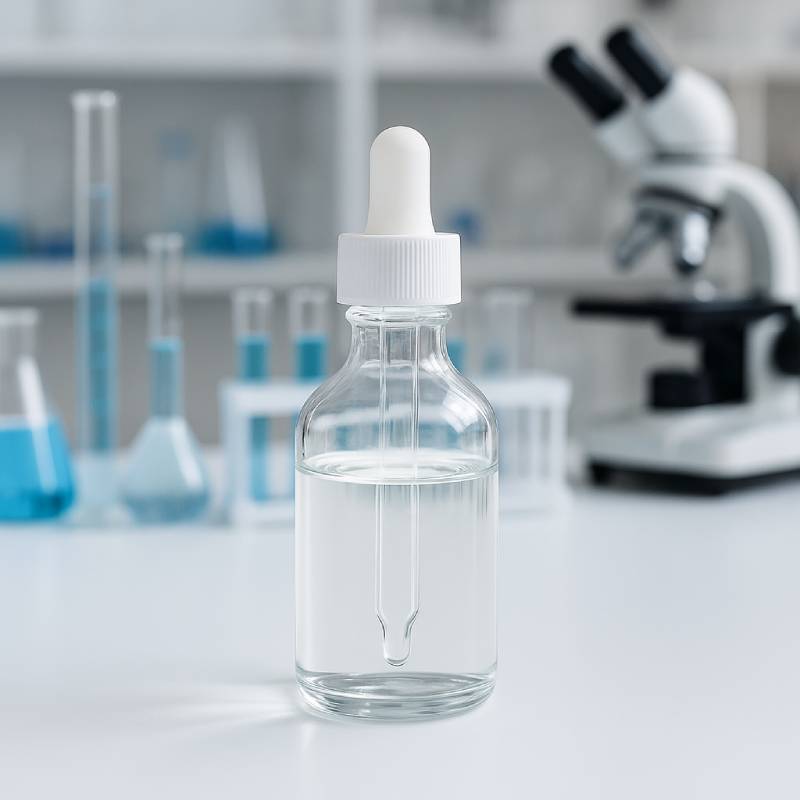
Introducing Butylene Glycol (INCI: Butylene Glycol), a high-purity, versatile ingredient sourced from Germany. This clear, viscous liquid is a staple across the cosmetic, pharmaceutical, and food industries. As a powerful humectant, solvent, and stabilizer, Butylene Glycol enhances product performance by boosting hydration, improving texture, and maximizing the efficacy of active ingredients and preservatives. Its neutral pH (6.0–7.0) and complete water solubility make it exceptionally easy to incorporate into virtually any aqueous formulation.
Product Description and Key Properties
Butylene Glycol (also known as 1,3-Butanediol) is an organic alcohol that functions as a superior alternative to glycerin in many formulations due to its non-sticky feel and enhanced solubilizing capabilities. It is a critical workhorse ingredient that ensures product quality, stability, and sensory appeal.
Key properties and benefits:
Superior Humectancy: Hydrates the skin by attracting and binding water, preventing transepidermal water loss (TEWL), and increasing skin smoothness and elasticity.
Excellent Solvent: Efficiently dissolves active ingredients, pigments, and fragrances, ensuring they are evenly distributed and readily available.
Penetration Enhancer: Facilitates the penetration of active substances deeper into the skin, maximizing their beneficial benefits.
Emulsion Stabilizer: Helps to stabilize emulsions and prevents separation, contributing to the product's overall shelf life and texture.
Preservative Booster: Enhances the action of preservatives and preservative-boosting additives, allowing for lower overall preservative levels.
Reduced Irritation: Mitigates the irritating effects of surfactants (like those found in shampoos and body washes), resulting in gentler cleansing products.
Sensory Improver: Improves the spreadability of cosmetic products, giving them a silky feel and facilitating uniform application of color and active ingredients.
Applications and Usage Areas
Butylene Glycol is essential across diverse industries, owing to its multifunctionality and broad compatibility with other components.
1. Cosmetic and Personal Care:
Skincare (Serums, Creams, Toners): Functions as a humectant and carrier for actives in anti-aging creams, moisturizing serums, and facial tonics (typical dosage 2–5%).
Hair Care (Shampoos, Balms): Reduces the harshness of surfactants, acts as a moisture-retaining agent, and aids in the uniform distribution of conditioners (up to 10%).
Cleansing Products (Shower Gels, Hydrophilic Oils): Provides solvency and reduces irritation in shower gels and cleansers.
Sun Care and Decorative Cosmetics: Ensures even application of UV filters and pigments in sunscreens, foundations, and BB/CC creams.
Antiperspirants: Used as a solvent and moisture-binding agent in deodorant and antiperspirant sticks and roll-ons.
2. Pharmaceutical Applications:
Solvent and Stabilizer: Used as a solvent and stabilizer in external professional forms such as creams, ointments, dermatological gels, and purifying liquids (dosage typically 1–15%).
Bioavailability Enhancer: Increases the absorption and bioavailability of topical vitamins.
Excipient: Included in syrups and drops as a safe and effective excipient.
3. Food and Flavor Industry (E1520):
Flavor Stabilizer: Used as a solvent for flavors and colorants in non-alcoholic beverages, desserts, and various functional foods (up to 2%).
Moisture Retention: Acts as a moisture-binding agent and texture stabilizer in food emulsions.
4. Household and Industrial Chemistry:
Detergents and Polishes: Incorporated into liquid detergents, cleaning gels, and polishes as a solvent and moisturizing agent to prevent fast drying.
Fabric Conditioners and Air Fresheners: Used in fabric softeners and air fresheners to solubilize fragrance oils and extend the scent life (up to 20%).
Recommended Dosage:
Cosmetics: 1% to 10% depending on product type (higher for creams/gels, lower for tonics).
Pharmaceuticals: 1% to 15% depending on the specific formulation.
Food Additives (E1520): Up to 2% in flavors and emulsions.
Household Products: Up to 20% for solvent and moisture-retaining functions.
Recipe: Hydrating and Silk-Finish Facial Serum
Create a lightweight, highly moisturizing facial serum that uses Butylene Glycol to enhance penetration and provide a smooth, silky feel.
Ingredients:
89 g Distilled water (Water Phase)
5 g Butylene Glycol (Humectant/Solvent)
3 g Hyaluronic Acid Solution (Low Molecular Weight) (Hydration)
2 g Niacinamide (Active)
1 g Preservative (e.g., Liquid Germall Plus)
Instructions for Preparation:
Dissolve Actives: In a sanitized beaker, combine the distilled water and the Butylene Glycol. Slowly add the Niacinamide powder, stirring gently until completely dissolved. Butylene Glycol assists in ensuring the Niacinamide fully disperses.
Form the Serum Base: Add the Hyaluronic Acid Solution and stir until the serum thickens and becomes uniform.
Add Preservative: Introduce the preservative and stir well for at least one minute to ensure even distribution.
Final Check: The pH of the finished serum should naturally fall within a skin-friendly range, which is ideal for Butylene Glycol's stability. Pour the finished serum into an airtight pump bottle or dropper bottle.
Recommendations:
Functionality: This recipe uses Butylene Glycol at a 5% concentration, which is sufficient to act as a humectant and significantly boost the absorption of Niacinamide.
Texture: The addition of Butylene Glycol gives the serum a pleasant, non-tacky, silky texture that spreads easily on the skin.
Compatibility: Butylene Glycol is compatible with almost all water-soluble cosmetic actives, allowing you to easily customize this base recipe with peptides or plant extracts.