Worldwide delivery  |  Free delivery in all Ukraine from 1899 UAH
Product catalog
Master classes, recipes, tips
AMIGEL rheology guide: Sclerotium Gum in gels emulsions and suspensions
A comprehensive technical formulation guide dedicated to managing rheology in cosmetics using the natural polysaccharide AMIGEL (Sclerotium Gum). This article explores the physical mechanisms of polymer hydration and network formation for structuring clear gels, light emulsions, and particle-suspending fluids. It covers pre-dispersion in polyols, electrolyte stability, shear rate handling, incompatibility limits, thermal limits, and precise pH controls. Features three complete DIY recipes with step-by-step compounding instructions and cold storage standards.
Natpure Film AP: natural film-forming technology for skin color cosmetics and hair
A comprehensive technical formulation guide dedicated to utilizing the bio-based film former Natpure Film AP (derived from sugar cane) in color cosmetics and hair care. This article breaks down the physical mechanics of flexible film creation, moisture resistance, and pigment adhesion enhancement. It covers aqueous dissolution protocols, compatibility with natural polymers and gums, thermal boundaries, and precise pH controls. Features three complete DIY recipes with step-by-step compounding instructions and storage standards.
ViableCare LipoCare 8: integrating a liposomal ceramide complex into barrier-care formulas
A comprehensive technical formulation guide to designing skin barrier restoration creams and liposomal fluids using ViableCare LipoCare 8. This article breaks down the physiological mechanism of ceramide integration into stratum corneum lipids to stop transepidermal water loss. It details exact processing protocols to protect liposomal structures, low-shear cooling phase entry below thirty degrees Celsius, emulsifier compatibility, and pH boundaries. Features three complete DIY recipes with step-by-step compounding instructions and cold storage standards.
Product Description

Butyl Glycol (2-Butoxyethanol): Universal Solvent and Enhancer

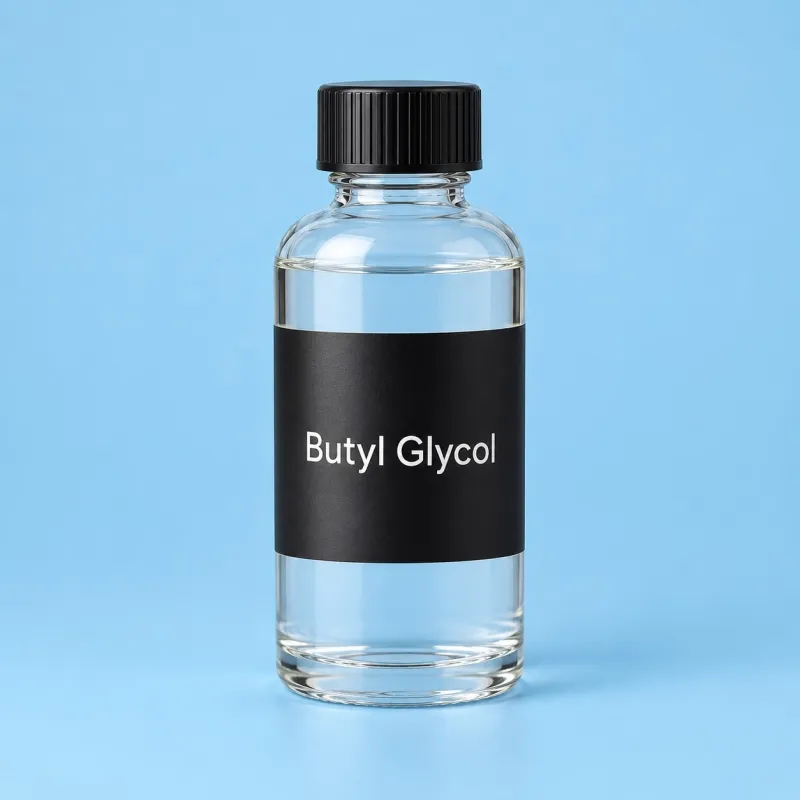
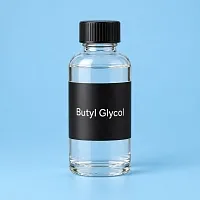
Introducing Butyl Glycol (INCI: Butyl Glycol, also known as 2-Butoxyethanol or Ethylene glycol monobutyl ether), a colorless, clear viscous liquid from the USA. This versatile chemical compound serves as an exceptional solvent, stabilizer, and penetration enhancer across numerous industries. It is water-soluble and provides superior performance in improving product stability, texture, and the efficacy of active ingredients. Its balanced properties make it indispensable in high-quality cosmetic, cleaning, and industrial formulas worldwide.

Product Description and Key Properties

Butyl Glycol is an organic solvent that works as a powerful coupling agent, allowing otherwise immiscible ingredients (like oils and water) to blend harmoniously. This property makes it vital for creating stable, uniform emulsions and clear solutions. Beyond its solvent capabilities, it actively contributes to the integrity and user experience of the final product.

Key properties and benefits:

  • Superior Solvency: Ensures the complete solubility of actives, extracts, fragrances, and pigments in formulations.

  • Preservative and Antioxidant Boost: Enhances the effectiveness of preservatives and antioxidants, contributing to product safety and longevity.

  • Evaporation Control: Acts as a humectant to reduce water evaporation from finished products, maintaining formula integrity.

  • Texture and Homogeneity: Improves the homogeneity of emulsions and overall product texture, facilitating smooth spreading.

  • Clarity and Shine: Positively impacts the shine and transparency of cosmetic and lacquer formulas.

  • Absorption Enhancement: Facilitates the application and absorption of creams and lotions into the skin.

  • Stability and Shelf Life: Stabilizes pH (typical range of 6.0–7.5 in 10% solution) and increases the shelf life of the product.

Applications and Usage Areas

Butyl Glycol's balanced solvent power and low volatility make it a cornerstone ingredient in five major industries.

1. Cosmetics and Personal Care (Solvent, Enhancer, Humectant):

  • Creams, Lotions, and Serums: Improves the penetration of active substances into the skin and ensures the uniform distribution of oil-soluble ingredients and pigments.

  • Tonics and Antiseptic Solutions: Used as a solvent for fragrances and actives, and as an auxiliary component in antiseptic solutions for its mild disinfecting properties.

  • Shampoos and Conditioners: Contributes to the formula's transparency and stability.

  • Aftershave Products: Helps stabilize the formula and enhances the feeling of quick absorption.

2. Household Chemicals (Degreaser, Solvent):

  • Window Sprays and Universal Cleaners: Serves as a primary solvent for fats and grease, enhancing the cleaning efficiency of degreasers and cleaning concentrates.

  • Floor Polishes and Waxes: Ensures a uniform application and quick drying time.

3. Paints and Coatings (Coalescent, Evaporation Retarder):

  • Paints, Primers, and Decorative Coatings: Functions as a coalescent (aids film formation) and an evaporation retarder, improving the flow and homogeneity of the paint, enhancing adhesion and resistance to cracking.

4. Pharmaceutical Formulas (Carrier, Solvent):

  • Gels, Solutions, and Topical Antiseptics: Applied as a solvent and carrier for active substances in external preparations, ensuring uniform distribution and formula stability.

5. Food Industry (Flavor Solvent, Technological Component):

  • Food Essences and Flavorings: May be used in minimal, permissible doses as a solvent for flavorings and a technological component in the production of food essences (where regulatory approval permits).

Recommended Dosage:

  • Cosmetics (Creams/Lotions): 0.5–10%

  • Cosmetics (Tonics/Gels): 1–5%

  • Household Cleaning: 2–20%

  • Paints and Lacquers: 5–15%

  • Pharmaceutical Formulas: 1–10%

  • Food Essences: less than 0.1% (only where regulated and permitted)

Recipe: Clarifying Face Toner with Enhanced Penetration

Create a simple, effective clarifying face toner where Butyl Glycol is used to ensure the complete dissolution of the active ingredients and enhance their absorption.

Ingredients:

  • 93 g Distilled Water (Water Phase)

  • 5 g Butyl Glycol (Solvent/Penetration Enhancer)

  • 1 g Salicylic Acid (Active)

  • 0.5 g Witch Hazel Extract (Astringent/Active)

  • 0.5 g Preservative (e.g., Liquid Germall Plus)

Instructions for Preparation:

Dissolve the Primary Active: In a beaker, combine the Butyl Glycol and the Salicylic Acid. Stir until the acid is completely dissolved. Butyl Glycol’s strong solvent power will quickly dissolve the Salicylic Acid.

Add the Water Phase: Slowly add the distilled water to the Butyl Glycol/Salicylic Acid mixture. Stir well until the entire solution is clear and uniform.

Incorporate Remaining Actives and Preservative: Add the Witch Hazel Extract and the preservative. Mix gently but thoroughly.

Check pH: Verify the pH of the final toner. The target is typically between 3.5 and 4.0 for optimal Salicylic Acid efficacy (which is lower than the ingredient's general pH range, making the formula effective).

Packaging: Pour the finished toner into a clean, sterilized bottle with a secure cap.

Recommendations:

  • Enhanced Efficacy: The use of Butyl Glycol ensures the Salicylic Acid remains fully soluble and helps it penetrate deeper into the pores, maximizing the toner's effectiveness.

  • Clarity: Butyl Glycol contributes to the final product's transparency and aesthetic appeal.

  • Storage: Store in a cool, dark place. The preservative is vital for maintaining product safety.

  • Application: Apply the toner to a cotton pad and gently swipe over clean skin, avoiding the eye area.

Characteristics:
INCI Butyl Glycol
pH 6.0–7.5 (в 10% растворе)
Other
Application In cosmetics: creams, toners, lotions, serums, shampoos, antiseptic solutions, aftershave In household chemicals: glass sprays, cleaning products, degreasers, cleaning concentrates In paints and varnishes: paints, primers, varnishes, decorative coatings In pharmaceutical formulas: gels, solutions, topical antiseptics In the food industry: flavoring solvent, processing component
Att brand USA
Color product colorless
Dosage In cosmetics 0.5–10% In creams and lotions 1–5% In toners and gels 0.5–3% In household chemicals 2–20% In paints and varnishes 5–15% In pharmaceutical formulas 1–10% In food essences (if permitted) less than 0.1%
Features All information presented on the site is for reference only
Minimum count 1
Name Butyl glycol, 1 L
Other names 2-Butoxyethanol, Ethylene glycol monobutyl ether, Butoxyethanol, Butoxyethanol, Ethylene glycol butyl ether
Packaging container for transportation
Packing 1 L
Properties Ensures the solubility of active ingredients, extracts, and fragrances Increases the effectiveness of preservatives and antioxidants Reduces water evaporation from finished products Improves the homogeneity of emulsions and the texture of products Affects the shine and transparency of cosmetic formulas Facilitates the application and absorption of creams Stabilizes pH and improves the shelf life of products Extends the shelf life of products
Purpose Cosmetic Uses Butyl glycol is used as a solvent, stabilizer, and moisturizer. It improves the penetration of active ingredients into the skin, increases the transparency of emulsions, and stabilizes formulations. It is used to dissolve extracts, fragrances, and pigments, and as an auxiliary component in antiseptics. Household Chemical Uses It is used as a solvent for greases and stains in cleaning products, polishes, glass cleaners, and all-purpose sprays. It ensures high cleaning efficiency while being gentle on surfaces. Paint and Varnish Industry Uses It serves as a coalescent and evaporation retarder, improves paint flow and homogeneity, increases adhesion, and resistance to cracking. Pharmaceutical Uses It is used as a solvent and carrier for active ingredients in topical preparations, antiseptics, and gels. It ensures uniform distribution and formula stability. Food Industry Uses It can be used for technological purposes as a flavoring solvent and stabilizer in the production of food essences (in minimum permitted doses, where permitted).
Solubility in the water
View transparent viscous liquid
Valid until 09.2027
Reviews (1) Add a review
Product rating:
  • Date:
    today
    Author:
    Лилия, Вольногорск
    Reviews

    Качество продукции на высшем уровне!

    Is the review useful? Yes (0) No (0)
Add a review
Your score:
Send feedback
Error

Close window
Product added to cart
Total:
Request the price of the product
Fill in the details for the price request
Request a price Request a price