-
 Absolutes
-
 Active Complexes
-
 Actives & Peptides
-
 Amino Acids & Proteins
-
 Food Flavors
-
 Ayurvedic Ingredients & Herbs
-
 Vitamins & Coenzymes
-
 Chocolate Making Supplies
-
 Thickeners & Gelling Agents
-
 Hydrosols & Floral Waters
-
 Hydrolyzed Proteins
-
 Fragrance Ingredients
-
 Nutraceutical Ingredients
-
 Acids, Salts, Alcohols & Alkalis
-
 Preservatives & Antioxidants
-
 Cosmetic Ingredients
-
 Colorants, Micas & Glitters
-
 Masks, Scrubs & Botanicals
-
 Oils & Butters
-
 Candle Making Supplies
-
 Melt and Pour Soap Bases
-
 Cream, Lotion & Hair Care Bases
-
 Fragrance Oils & Industrial Aromatics
-
 Cleansing Agents & Surfactants
-
 Peeling Actives & Acids
-
 Cosmetic Powders
-
 Solvents & Humectants
-
 Silicones & Conditioning Agents
-
 Bottles, Jars & Vials
-
 Silicone & Plastic Molds, Tools
-
 Botanical Extracts
-
 Cosmetic Emollients
-
 Emulsifiers
-
 Essential Oils


Cosmetic Pigment Powders
 Add to cart






 Subscribe


Dry powder colorants for versatile formulation work
Cosmetic pigment powders are finely milled dry colorants used to tint and design a wide range of cosmetic and decorative formulations. This range covers mineral oxide pigments, mica based shades, and specialty powders with color shifting or thermochromic effects, sold as loose dry material for accurate dosing in small or large batches.
These powders work across lotions, balms, bath products, molded decorative pieces, and colored coatings where a stable, non bleeding tint is needed. Because they are anhydrous, they disperse readily into oil phases and wax bases without altering texture, and many grades tolerate heat processing steps common in production.
For formulators who also work with fluid color systems, the Pigments Liquid range offers a ready dispersed alternative, while the Liquid Pearl Pigment line adds shimmer effects without the extra mixing step that dry powders require.
Shade Categories and How They Differ
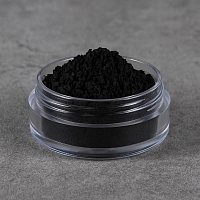
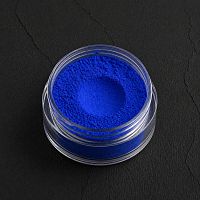
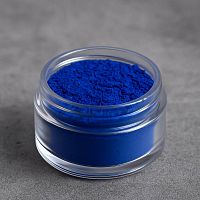
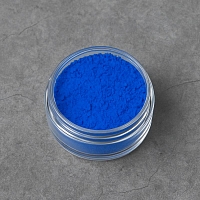
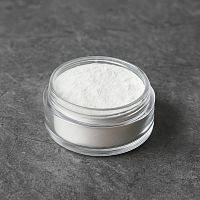
The core distinction inside this range is between single tone pigment powders and effect powders. Standard shades such as Blue Cosmetic Pigmen 10 g, White Pigment 10 g, and Black Pigment 10 g deliver flat, even coverage and act as the base tones most formulators mix from, since white lightens a blend while black deepens it without shifting the underlying hue.
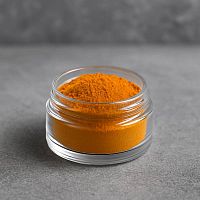
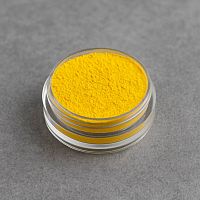
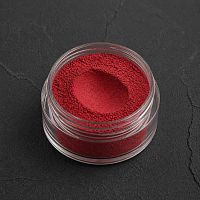
Warm and cool tones extend the palette further. Yellow Cosmetic Pigment 10 g, Orange Cosmetic Pigment 10 g, Green Cosmetic Pigment 10 g, and Red Cosmetic Pigment 10 g can be blended in small increments to build custom tones, since dry powders allow precise weighing before the color is locked into a batch. For projects that call for glow or shifting effects rather than a flat tone, the Fluorescent Pigments subrange sits alongside these standard shades and responds differently under UV or daylight conditions.
Choosing a Shade and Building a Color Recipe
Selection usually starts with the base formulation. Oil rich balms, wax melts, and molded decorative pieces generally need less pigment per batch than water heavy lotions, since the powder disperses more densely in fat phases. A small test batch before scaling up remains the simplest way to confirm both the final shade and how evenly the powder disperses.
Because these are functional colorants rather than finished products, they pair with a wide range of other raw materials depending on the formulation goal: emulsifiers and thickeners for lotions and creams, waxes and butters for balms and solid sticks, or fillers and binders for pressed decorative pieces. Combining a base tone with small amounts of a second shade is a common way to adjust warmth or depth without ordering a new custom color.
Origin and Storage Notes
The pigment powders in this range are sourced from China, consistent with the wider dry colorant supply chain most cosmetic manufacturers rely on for milled mineral and synthetic shades.
Being anhydrous, these powders are shelf stable when kept in sealed containers away from direct moisture and heat, which helps prevent clumping and preserves consistent dosing across multiple production runs.
FAQ
What is the difference between mica pigments and mineral oxide pigments?
Mineral oxide pigments give flat, opaque, single tone color and are very stable under heat and light. Mica based powders carry a natural shimmer from their layered mineral structure and are often blended with oxides or dyes to build custom shades with a pearlescent finish.
How much cosmetic pigment powder should be used in a formulation?
Usage levels vary by pigment type and desired intensity, typically starting around 0.5 to 5 percent of total batch weight. It is best to test in small increments, since mica and effect powders often need less material than dense oxide shades to reach full color.
Can pigment powders be mixed with liquid or oil based bases?
Yes, these dry powders disperse well into oil phases, waxes, and melted bases because they contain no water. For water based or emulsified systems, pre dispersing the powder in a small amount of oil or glycerin first helps avoid clumping and gives a more even color.
How should cosmetic pigment powders be stored to keep their color stable?
Keep containers tightly sealed, away from direct sunlight and moisture, at room temperature. Humidity is the main risk for dry powders, as it can cause clumping or uneven dispersion later, so a dry storage area extends shelf life without affecting shade accuracy.
Recommendations
When choosing a pigment powder, match the shade type to your process rather than the finished look alone: oxide powders suit high heat pours and long term color stability, while mica and effect powders suit formulations where shimmer or shift matters more than opacity. Order a small sample batch first to confirm dispersion and shade in your specific base before committing to a larger volume. Our team is reachable by email to help match grades to your production needs and confirm current stock before you place an order.



