-
 Absolutes
-
 Active Complexes
-
 Actives & Peptides
-
 Amino Acids & Proteins
-
 Food Flavors
-
 Ayurvedic Ingredients & Herbs
-
 Vitamins & Coenzymes
-
 Chocolate Making Supplies
-
 Thickeners & Gelling Agents
-
 Hydrosols & Floral Waters
-
 Hydrolyzed Proteins
-
 Fragrance Ingredients
-
 Nutraceutical Ingredients
-
 Acids, Salts, Alcohols & Alkalis
-
 Preservatives & Antioxidants
-
 Cosmetic Ingredients
-
 Colorants, Micas & Glitters
-
 Masks, Scrubs & Botanicals
-
 Oils & Butters
-
 Candle Making Supplies
-
 Melt and Pour Soap Bases
-
 Cream, Lotion & Hair Care Bases
-
 Fragrance Oils & Industrial Aromatics
-
 Cleansing Agents & Surfactants
-
 Peeling Actives & Acids
-
 Cosmetic Powders
-
 Solvents & Humectants
-
 Silicones & Conditioning Agents
-
 Bottles, Jars & Vials
-
 Silicone & Plastic Molds, Tools
-
 Botanical Extracts
-
 Cosmetic Emollients
-
 Emulsifiers
-
 Essential Oils


Metallic Pigment Powder

 Add to cart

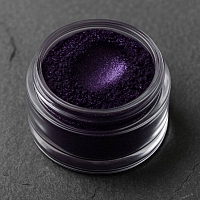
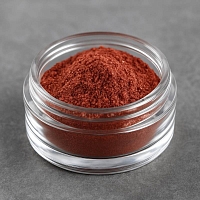
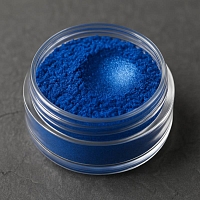


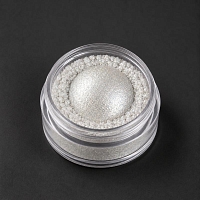
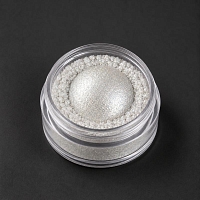


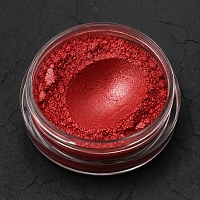


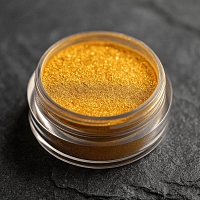

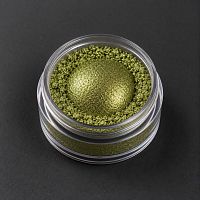


Achieving shimmer and metallic finish in cosmetic formulas
Metallic pigment powder is a finely milled colorant that produces a reflective, metal-like sheen ranging from bright chrome and gold to bronze, copper and gunmetal shades. It is supplied as a dry powder, letting formulators control the intensity of shimmer by adjusting particle load rather than relying on a fixed pre-mixed tint.
Because it is a raw material rather than a finished product, this pigment works across a wide range of cosmetic and decorative formulations: lip and eye color, nail lacquer, body and hair shimmer products, as well as pressed powders and molded decorative items. Formulators typically disperse it into an oil, gel or wax base first to achieve even coverage without streaking.
For a smoother, less directional shine, some producers prefer working with liquid pearl pigment instead, since it is pre-suspended and blends into water-based or emulsion systems with less mixing effort.
Shade range and how the finishes differ
Within this raw material category, the main difference between items is hue and undertone rather than the base technology. A brown pearl pigment or copper metallic powder tends to read warm and suits skin-tone and bronzing effects, while blue and green metallic pigments give a cooler, more graphic finish often used in eye and nail color. Cooler pastel tones such as a lilac metallic powder sit between the two, adding shimmer without dominating a formula's overall tint.
A red metallic pigment and a pearl-white metallic pigment mark the opposite ends of intensity: the first delivers a saturated, high-impact tone, the second a soft, almost translucent glow that works well as a highlighter base layer under other colorants. For colors that need to glow under UV light rather than reflect ambient light, formulators usually look outside this metallic range toward fluorescent pigments, since the optical effect is fundamentally different.
Choosing a shade and pairing it in a formula
Selection usually starts with the base system: oil- and wax-based products disperse metallic powder easily, while water-based emulsions may need a pre-wetting step to avoid clumping. Particle load controls intensity, so it's common to test a range from a light dusting to a denser concentration before settling on a final ratio.
Because this is a functional colorant rather than a finished shade, it is combined freely with other pigments, mica-based fillers, and binders to build custom tones, and it performs across lip and eye products, nail lacquer, pressed powders, and molded decorative pieces alike. Formulators often layer a metallic tone with a matte pigment to soften the shine or blend two metallics for a duotone effect.
Origin and storage
Products in this category are sourced from suppliers in China, the USA and England, depending on the specific shade and batch. Keep the powder in a sealed container away from direct moisture and sunlight, since humidity is the main cause of clumping and uneven dispersion over time. Stored properly, the pigment retains its brightness and flow for formulation use well beyond a single production run.
FAQ
What is metallic pigment powder used for in cosmetics
It is used to add reflective, metal-like shimmer to lip and eye color, nail lacquer, pressed powders, body and hair shimmer products, and molded decorative items. Formulators disperse it into an oil, gel or wax base to control coverage and intensity before adding it to the final product.
How do you mix metallic pigment powder into a formula without streaking
Pre-disperse the powder into a small amount of oil, gel or wax base until fully wetted, then fold this concentrate into the main batch. Adding dry powder directly to a large volume often causes clumping and uneven streaks across the finished product.
What is the difference between metallic pigment powder and liquid pearl pigment
Metallic pigment powder is a dry, concentrated colorant that gives a stronger, more directional metallic sheen and lets you adjust intensity by particle load. Liquid pearl pigment is pre-suspended and blends more easily into water-based or emulsion systems for a softer, less directional shine.
How should metallic pigment powder be stored
Keep it in a sealed, opaque or lightly shaded container away from moisture, direct sunlight and heat. Dry storage prevents clumping and preserves the reflective particle structure, so the shimmer stays consistent from the first use to the last.
Recommendations
When choosing a shade or batch of metallic pigment powder, match the undertone (chrome, gold, bronze, copper or gunmetal) to your base formula and test a small dispersion first to confirm coverage and streak-free blending. Particle size also affects how bold or subtle the shimmer reads once cured or set. For bulk quantities or a specific shade range for your production line, reach out by email and we will help you select the right options.





