-
 Absolutes
-
 Active Complexes
-
 Actives & Peptides
-
 Amino Acids & Proteins
-
 Food Flavors
-
 Ayurvedic Ingredients & Herbs
-
 Vitamins & Coenzymes
-
 Chocolate Making Supplies
-
 Thickeners & Gelling Agents
-
 Hydrosols & Floral Waters
-
 Hydrolyzed Proteins
-
 Fragrance Ingredients
-
 Nutraceutical Ingredients
-
 Acids, Salts, Alcohols & Alkalis
-
 Preservatives & Antioxidants
-
 Cosmetic Ingredients
-
 Colorants, Micas & Glitters
-
 Masks, Scrubs & Botanicals
-
 Oils & Butters
-
 Candle Making Supplies
-
 Melt and Pour Soap Bases
-
 Cream, Lotion & Hair Care Bases
-
 Fragrance Oils & Industrial Aromatics
-
 Cleansing Agents & Surfactants
-
 Peeling Actives & Acids
-
 Cosmetic Powders
-
 Solvents & Humectants
-
 Silicones & Conditioning Agents
-
 Bottles, Jars & Vials
-
 Silicone & Plastic Molds, Tools
-
 Botanical Extracts
-
 Cosmetic Emollients
-
 Emulsifiers
-
 Essential Oils
- Water-Soluble Oils Wholesale 25
- Bulk Liquid Oils 297
- Natural Oil Complexes Wholesale 58
- Bulk Oils 27
- Herbal Oil Extracts and Infusions Wholesale 16
- Massage Oils Wholesale 17
- Macerated Oils Wholesale 30
- Carrier Oil Blends Wholesale 71
- Solid Oils and Butters Wholesale 78
- Solid Oils and Butters Bulk Wholesale 10
- Fermented Oils Wholesale 8
- Natural Essential Oils Wholesale 769


Solid Oils and Butters Wholesale

 Add to cart


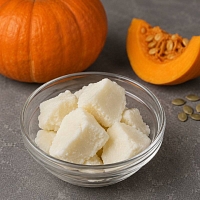


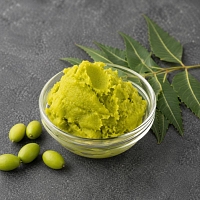

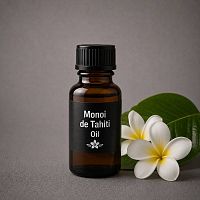


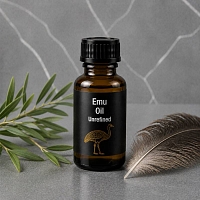


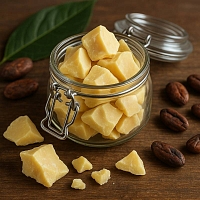


Firming base ingredients for balms creams and sticks
This section brings together solid plant oils and butters used as structural and nourishing components in cosmetic formulations. These fats stay firm at room temperature and soften on contact with skin, which makes them a reliable base for balms, thick creams, lip and body sticks, and other anhydrous or emulsion products.
Formulators use solid oils and butters to build texture and stability in a recipe rather than for a single narrow purpose. Depending on melting point and fatty acid profile, the same butter can serve as the main structural component in a stick, a softening addition in a body cream, or a carrier for active ingredients in a serum bar. Many recipes combine solid butters with liquid vegetable oils to adjust hardness and spreadability, or add a few drops from the natural essential oils range to finish the scent profile of the final product.
Because melting behavior varies between types, these ingredients are also chosen based on climate and storage conditions of the finished product, from cold cream formulas to travel size solid sticks meant to withstand warmer handling temperatures.
Types of solid butters and oils and how they differ
The range spans cocoa derived fats, tropical kernel oils, and softer plant butters, each with its own melting point and skin feel. Cocoa Butter RBD 1 kg and Unrefined Cocoa Butter 1 kg both stay hard at room temperature and give sticks and balms a clean snap, while the unrefined version keeps more of its natural aroma and color.
Palm Oil 900 g and Palm Kernel Oil 900 g are firmer fats often used to add structure and a lighter spread to bar formulas, whereas Coconut Oil Refined 900 g melts closer to skin temperature and works well in leave-on care where fast absorption matters.
Shea variants sit on the softer end of the group. Karite Butter (Shea Butter) refined 900 g has a neutral scent and consistent texture batch to batch, while Unrefined Shea Butte 900 g keeps a stronger natural character that some formulators specifically look for in richer body balms.
Choosing a butter and pairing it with other ingredients
Selection usually starts with melting point and hardness, since a stick meant for a warm climate needs a firmer base than a jar cream stored indoors. Butter Wheat Germ Refined 1 kg and Aloe Butter Refined 1 kg are frequently added in smaller ratios alongside a harder base fat, contributing softness and a lighter finish without weakening the overall structure.
Blending is common practice rather than an exception. A base fat from this group is often combined with a Base Oil Blends Wholesale selection to fine tune spreadability, or paired with Bay laurel Oil Unrefined 1 kg for formulas that call for a specific fatty acid profile. For confectionery style or tinted cosmetic bases, Cocoa Mass, 1 kg can be introduced as an additional structural and coloring component.
Origin and storage
Depending on the specific item, raw materials in this group are sourced from Malaysia, Thailand, Brazil, Italy, Germany, France, including the NATURA-TEC range, and the United Kingdom, reflecting the different plant sources these fats and oils come from.
All of them keep best in a cool, dry place away from direct sunlight, tightly sealed to limit oxidation. Refined versions tend to have a longer stable shelf life and a more neutral scent, while unrefined butters are more sensitive to heat and light but retain a fuller natural profile valued in richer formulations.
FAQ
What is the difference between a butter and a solid oil in cosmetic formulas?
Butters and solid oils both stay firm at room temperature, but butters typically carry a richer fatty acid profile and softer melt on skin, while some solid oils are firmer and used more for structure. Formulators pick between them based on desired hardness and glide in the final texture.
How do I choose the right melting point for a balm or stick recipe?
Match the melting point to your climate and use case: higher melting point butters hold shape better in warm storage or travel sticks, while lower melting point options soften faster on contact with skin. Testing a small batch before scaling production helps confirm the right balance.
Can solid butters be combined with liquid oils in the same formula?
Yes, blending solid butters with liquid vegetable oils is a common way to adjust firmness and spreadability without changing the overall recipe. The ratio between solid and liquid components determines whether the result stays rigid like a stick or softer like a body cream.
How should solid cosmetic butters be stored before use?
Keep butters in a cool, dry place away from direct sunlight and heat sources, since repeated melting and resolidifying can affect texture and shelf stability. Sealed original packaging helps protect the fat from oxidation between production batches.
What products can be made using firming base butters and solid oils?
These ingredients form the structural base for balms, lip and body sticks, thick body creams, solid serum bars, and other anhydrous or emulsion formulations. The same butter can shift roles depending on the ratio used and the other ingredients it is paired with.
Recommendations
When selecting a solid butter or firming oil for a new batch, start with the melting point and fatty acid profile rather than the name alone, since these two factors decide how the finished balm, stick or cream will feel and hold up in storage. Consider the climate your product will travel through and test a small sample blend before committing to a full production run. If you are scaling up a recipe that already works well in small batches, order the same lot size consistently to avoid subtle texture shifts between deliveries. Our team is reachable by email to help match a butter or solid oil to your formulation goals and confirm current stock for larger orders.



