Mink Oil 50 ml: Product Overview and Specification Snapshot
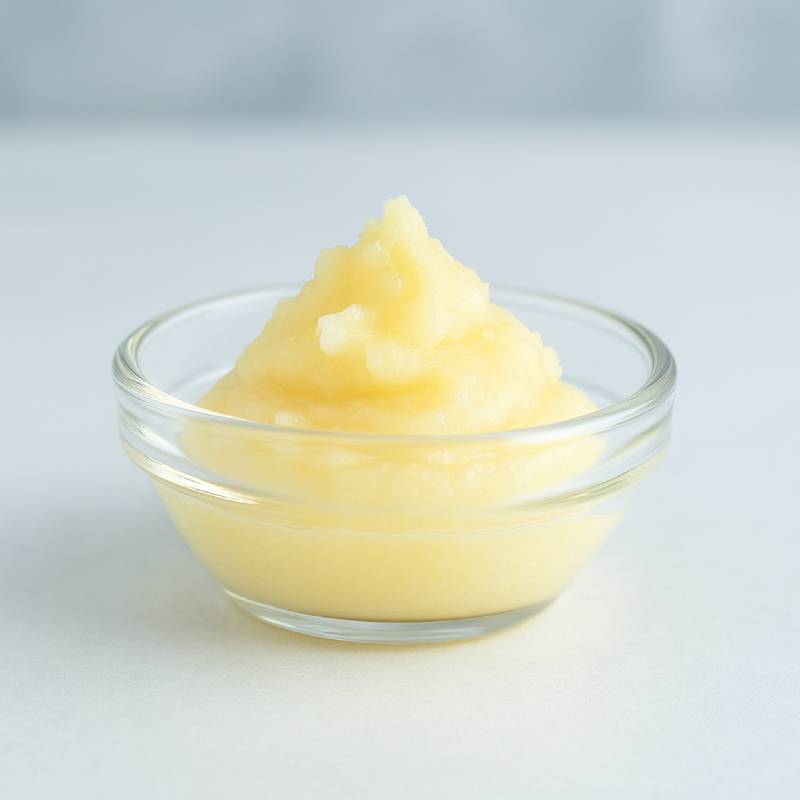
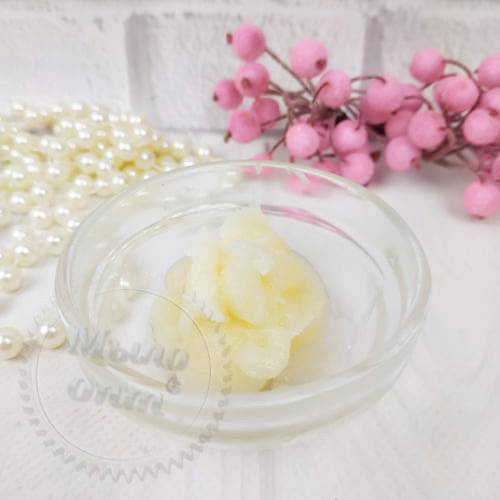
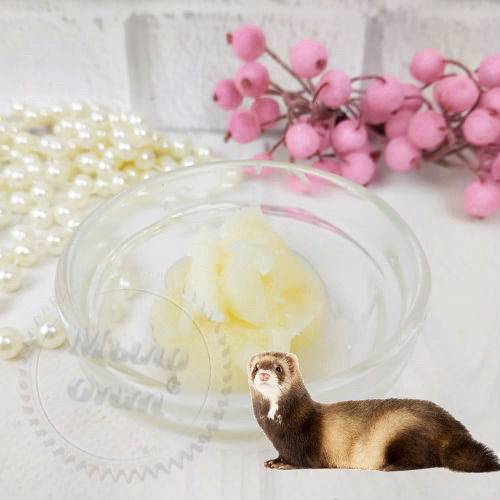
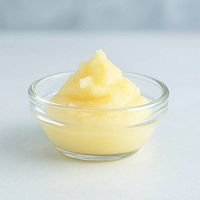
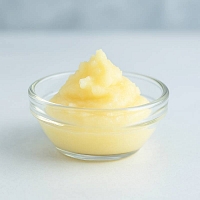
Mink Oil stands out among Butters as a dense 100 % animal fat with INCI Mink fat. Mink Oil 50 ml arrives as a white paste carrying a characteristic scent and is produced in Germany. Formulators value its structural similarity to human skin sebum for rapid absorption in skin and hair care applications.
Origin, Sourcing and Grade
Supplied from Germany, this ingredient meets the requirements of cosmetic labs and manufacturers seeking consistent animal-fat raw material. It is offered in retail and wholesale packs suitable for home makers as well as larger production runs.
Functional Performance in Formulations
In cosmetic emulsions the fat integrates during the oil phase at 60-70 °C. It supports softening and nourishing effects in creams and balms for dry skin areas such as hands, feet, elbows and lips. Hair products benefit from improved smoothness and easier combing without heavy residue. The same material conditions natural leather goods, enhancing suppleness and water resistance.
Formulation Guidelines
Typical addition levels range from 3-10 % in everyday creams and rise to 15-20 % in intensive night care. Anhydrous balms and sticks may incorporate 10-30 % together with solid butters and waxes. For leather conditioning the fat is applied neat or blended with lighter carriers. It pairs effectively with such as macerated oils to enhance nourishment in dry-skin formulas.
Quality Control and Documentation
Each batch undergoes verification to confirm identity as 100 % animal fat. Full traceability from the German source supports purchasing managers and R&D teams requiring reliable documentation for regulatory compliance.
Packaging Options and Lot Consistency
Mink Oil 50 ml is packed in transport-grade containers that protect the product during storage in cool, dry, light-protected conditions. Successive lots maintain uniform visual and olfactory characteristics, allowing seamless integration into ongoing production schedules. Larger volumes such as Mink Oil 1 L follow the same quality parameters.
FAQ
How long does Mink Oil remain stable and what indicates the start of rancidity?
Stored under recommended cool, dry and light-protected conditions the fat keeps its properties until the printed best-before date. Early signs of oxidation include an off odor or change in texture; prompt transfer to airtight, light-proof containers helps slow these changes.
Does color and odor vary between production lots of Mink Oil?
Natural batches may show slight differences in shade or intensity of the characteristic scent while still meeting the white-paste specification. Such variations remain within acceptable cosmetic-grade limits and do not affect performance.
At what percentage and in which phase should Mink Oil be added during manufacturing?
Incorporate the fat in the oil phase at 60-70 °C. Use 3-10 % for standard emulsions, up to 15-20 % in richer night formulas, and 10-30 % in anhydrous balms, adjusting according to desired texture and skin feel.
What distinguishes refined and unrefined Mink Oil in cosmetic use?
The unrefined grade retains its full characteristic scent and color. Refining reduces odor and lightens appearance while preserving the same emollient properties, allowing formulators to choose the version that best matches the sensory profile of the final product.