-
 Absolutes
-
 Active Complexes
-
 Actives & Peptides
-
 Amino Acids & Proteins
-
 Food Flavors
-
 Ayurvedic Ingredients & Herbs
-
 Vitamins & Coenzymes
-
 Chocolate Making Supplies
-
 Thickeners & Gelling Agents
-
 Hydrosols & Floral Waters
-
 Hydrolyzed Proteins
-
 Fragrance Ingredients
-
 Nutraceutical Ingredients
-
 Acids, Salts, Alcohols & Alkalis
-
 Preservatives & Antioxidants
-
 Cosmetic Ingredients
-
 Colorants, Micas & Glitters
-
 Masks, Scrubs & Botanicals
-
 Oils & Butters
-
 Candle Making Supplies
-
 Melt and Pour Soap Bases
-
 Cream, Lotion & Hair Care Bases
-
 Fragrance Oils & Industrial Aromatics
-
 Cleansing Agents & Surfactants
-
 Peeling Actives & Acids
-
 Cosmetic Powders
-
 Solvents & Humectants
-
 Silicones & Conditioning Agents
-
 Bottles, Jars & Vials
-
 Silicone & Plastic Molds, Tools
-
 Botanical Extracts
-
 Cosmetic Emollients
-
 Emulsifiers
-
 Essential Oils
- Gastronomy flavorings 46
- Flavorings for butter and margarine 7
- Fishing bait flavorings 10
- Flavorings for spices 29
- Food flavorings for alcoholic beverages 169
- Beverage flavorings 238
- Confectionery flavorings 205
- Dairy flavorings 114
- Ice cream flavorings 115
- Food flavorings for juices 62
- Flavors for e-cigarettes 323
- Liquid Snack Flavors 32
Dairy flavorings

 Add to cart
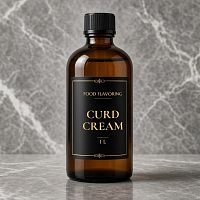


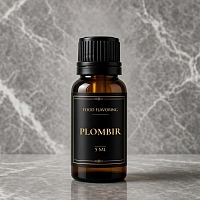
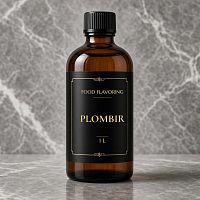


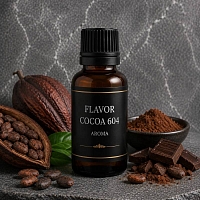


Milky and creamy notes for a wide range of finished formulas
This section gathers liquid flavoring compounds built around milky, creamy and buttery notes, sold in bulk for manufacturers who blend their own formulas. Each compound is concentrated, water or oil dispersible, and dosed in small percentages to shape the final scent and taste profile of a finished product. Buyers here range from small workshops testing a new recipe to production lines running consistent batches.
Creamy and milky notes are rarely used alone. They typically round out sweeter or fruitier profiles, softening sharp top notes and adding a rounded, dessert-like character to a formula. Manufacturers working on beverage flavorings often pair a milky base with citrus or berry accents, while those working with food flavorings for juices use it to add body and roundness to thinner fruit blends.
Dosage, stability under heat, and compatibility with sugar or fat content in a recipe all vary between compounds, which is why formulators usually test a small batch before scaling up production.
Fruit and dessert variations within the range
Within this group, the milky base itself stays fairly neutral while the accompanying fruit or dessert note defines the final character. A blend built around blackberry dairy flavor reads darker and slightly tart, while one based on apricot dairy flavor leans warmer and softer on the palate. Citrus options such as orange dairy flavor bring a sharper top note that cuts through the creaminess, which is useful when a formula needs contrast rather than pure sweetness. Watermelon and tropical directions, including watermelon dairy flavor and pineapple dairy flavor, tend to sit lighter and are often chosen when a formula should feel fresh rather than dense.
Banana and vanilla directions occupy a different niche. Banana dairy flavor adds a thick, almost custard-like impression, while a classic vanilla dairy flavor works less as a standalone note and more as a background that rounds out sharper ingredients elsewhere in the recipe. Formulators frequently keep several of these on hand at once, since a single production line rarely runs on one note only.
Choosing a compound and building a recipe around it
The main selection criteria are the target taste profile, the base the flavor will be dosed into, and how the compound behaves once heat or acidity is introduced. A compound stable in a pasteurized dairy base will not necessarily perform the same way in a cold-mixed dessert, so checking the intended processing temperature before committing to a full batch matters more than the label description alone.
These milky and creamy notes function as a supporting layer rather than a finished flavor on their own. They are commonly paired with fruit or berry accents to soften sharp acidity, or layered under a stronger dominant note to add roundness and body. Producers developing a wider dessert or drink lineup often look at the ice cream flavorings section alongside this one, since the two groups are frequently combined within the same recipe to balance sweetness against creaminess.
Origin and storage
Compounds in this range come from Ukraine and Lithuania, and small test batches are the standard way to confirm dosage and stability before scaling to full production volume. As with most liquid flavoring concentrates, keeping containers tightly closed, away from direct light and heat, helps preserve the intended aroma profile until the compound is actually blended into a finished recipe.
FAQ
How much milky or creamy flavor compound should be used in a formula?
Dosage depends on the specific compound and finished product, but most milky and creamy bases are highly concentrated and used in small percentages. Start with a low ratio in a test batch, evaluate the balance against other notes, then adjust gradually before committing to a full production run.
Can milky and creamy flavors be combined with fruit or citrus notes?
Yes, these compounds are designed to round out sharper fruit or citrus profiles rather than stand alone. Pairing a creamy base with berry, citrus or tropical accents is common practice for softening acidity and adding a smoother, dessert-like finish to the final blend.
Are these flavor compounds water soluble or oil soluble?
Compounds in this range vary, with some formulated for water dispersion and others suited to oil or fat based systems. Compatibility depends on the carrier and the intended application, so checking solubility before scaling from a test batch to full production is recommended.
How should liquid flavor compounds be stored before use?
These compounds keep best in tightly sealed containers, away from direct heat and sunlight, in a cool and dry storage area. Proper sealing after each use helps preserve concentration and prevents the top notes from fading over time in bulk containers.
Recommendations
Choosing the right milky or creamy compound starts with the final profile you are aiming for: a lighter dairy note for a delicate blend or a fuller buttery base for richer, dessert-style formulas. Request a small sample first, run it through your own test batch, and check how it behaves with the sugar, fat or acid content already in your recipe before ordering a larger volume. Our team is reachable by email to help match a compound to your specific production needs.



