-
 Absolutes
-
 Active Complexes
-
 Actives & Peptides
-
 Amino Acids & Proteins
-
 Food Flavors
-
 Ayurvedic Ingredients & Herbs
-
 Vitamins & Coenzymes
-
 Chocolate Making Supplies
-
 Thickeners & Gelling Agents
-
 Hydrosols & Floral Waters
-
 Hydrolyzed Proteins
-
 Fragrance Ingredients
-
 Nutraceutical Ingredients
-
 Acids, Salts, Alcohols & Alkalis
-
 Preservatives & Antioxidants
-
 Cosmetic Ingredients
-
 Colorants, Micas & Glitters
-
 Masks, Scrubs & Botanicals
-
 Oils & Butters
-
 Candle Making Supplies
-
 Melt and Pour Soap Bases
-
 Cream, Lotion & Hair Care Bases
-
 Fragrance Oils & Industrial Aromatics
-
 Cleansing Agents & Surfactants
-
 Peeling Actives & Acids
-
 Cosmetic Powders
-
 Solvents & Humectants
-
 Silicones & Conditioning Agents
-
 Bottles, Jars & Vials
-
 Silicone & Plastic Molds, Tools
-
 Botanical Extracts
-
 Cosmetic Emollients
-
 Emulsifiers
-
 Essential Oils
- Gastronomy flavorings 46
- Flavorings for butter and margarine 7
- Fishing bait flavorings 10
- Flavorings for spices 29
- Food flavorings for alcoholic beverages 169
- Beverage flavorings 238
- Confectionery flavorings 205
- Dairy flavorings 114
- Ice cream flavorings 115
- Food flavorings for juices 62
- Flavors for e-cigarettes 323
- Liquid Snack Flavors 32


Beverage flavorings

 Add to cart


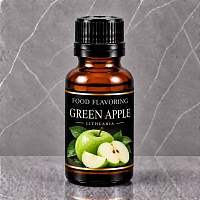


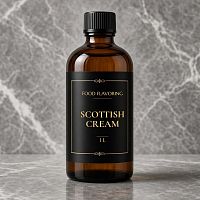
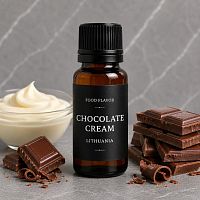


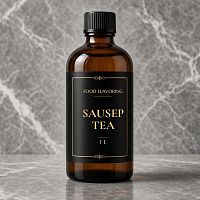

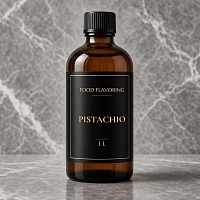


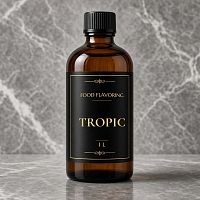


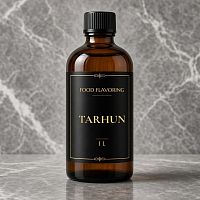

Liquid flavor concentrates for fruit sodas teas and functional drinks
Beverage flavorings are concentrated liquid taste compounds designed to give drink bases a defined fruit, herbal, or dessert-style profile without altering the underlying formulation. The assortment includes citrus, berry, tropical, cola, tea, and cream-style profiles, sold as compact concentrates measured in drops rather than spoonfuls. Each flavor is built to dissolve cleanly into water-based or lightly acidic liquids without clouding or separating over time.
These concentrates are used across still and carbonated water bases, iced tea blends, lemonades, syrups for dilution, and functional or low-sugar drink lines where taste has to be added without extra sweeteners. The same liquid flavor logic applies whether the base is a fruit soda or a cream soda style syrup, since the concentrate only supplies aroma and taste, not sweetness or acidity. For related taste categories built on the same liquid carrier principle, producers often also work with food flavorings for juices or ice cream flavorings when a single production line covers several drink and dessert formats.
Fruit and profile variations across the range
Within this group, the main difference lies in how a profile is built rather than just what fruit or flavor it names. Berry-style concentrates such as blackberry beverage flavor or the two grape options, standard flavor for drinks Grapes and the more distinct Isabella grape beverage flavor, are built around layered top and base notes that read as tart and juicy. Tropical and orchard profiles like Passion beverage flavor, pineapple beverage flavor, and pear beverage flavor lean toward a rounder, sweeter aromatic curve that reads well in both still and carbonated bases.
Stone fruit and citrus concentrates, including flavor for drinks Apricot, flavoring for drinks Orange, and banana drink flavor, tend to sit brighter and lighter, which is why they are often used at lower dosage in lightly acidic bases. A separate group covers signature or blended profiles rather than single fruits, such as flavoring for drinks Baikal and flavor for drinks Watermelon, which read as recognizable finished-drink styles instead of a single raw fruit note.
Choosing a concentrate and building a recipe
Selection usually starts with the base liquid rather than the flavor name alone. A neutral still water base takes almost any profile cleanly, while a lightly carbonated or acidic base performs better with brighter citrus or stone fruit concentrates, since carbonation and acidity can shift how a flavor reads once diluted.
Dosage control matters more than the flavor family itself, because these concentrates are formulated to carry taste and aroma only, without adding sweetness, body, or acidity to the base. That means the same drop-based concentrate can support a fully sugared syrup line or a reduced-sugar functional drink without changing the underlying formulation logic. Producers working across several taste categories at once often pair this range with confectionery flavorings when one facility runs both beverage and confectionery lines side by side.
Origin and storage
Concentrates in this range come from Ukraine and Lithuania, and both origins are supplied in the same liquid form intended for direct metered dosing rather than dilution before use. Keeping bottles tightly closed, away from direct light and heat, helps preserve the aromatic balance over time, since exposure tends to flatten the top notes first while the base notes remain longer.
Because dosage is measured in drops, a single liter bottle covers a large batch volume, which is why most producers keep several profiles on hand rather than committing shelf space to one flavor family alone.
FAQ
What is the difference between a beverage flavor concentrate and a regular flavoring extract?
Concentrates are formulated at much higher strength, so a few drops replace a spoonful of standard extract. This keeps dosing precise, avoids diluting the drink base, and lets producers adjust taste intensity without adding extra liquid volume to syrups or ready-to-drink formulas.
How much concentrate should be used per liter of drink base?
Dosage depends on the profile and desired intensity, but most concentrates are designed to work in small measured amounts, often a few milliliters per liter. Starting with a low dose and adjusting gradually helps avoid an overpowering or artificial-tasting result.
Can these concentrates be used in carbonated drinks without affecting the fizz?
Yes, these are liquid taste compounds only, they do not contain carbonation agents or thickeners, so they blend into carbonated water bases without disrupting fizz, clarity, or mouthfeel when added at the recommended stage of production.
Do fruit and cream-style concentrates need refrigeration during storage?
Most concentrates are stable at room temperature if kept sealed, away from direct light and heat sources. Refrigeration is not mandatory but can extend shelf life once a bottle is opened and used across multiple production batches.
Can one concentrate be used for both soda and tea-based drink lines?
Yes, since the concentrate only supplies aroma and taste rather than sweetness or acidity, the same bottle can flavor a still water base, a carbonated soda, or a brewed tea blend, as long as the profile suits the intended drink style.
Recommendations
When choosing a beverage flavor concentrate, match the profile to your drink base first: citrus and berry notes tend to suit lighter still or carbonated waters, while cream and tea-style profiles work better in syrups and dessert-style drinks. Order a small trial volume before committing to a full batch, since intensity can vary slightly between profiles and requires its own dosing test. Check how the concentrate behaves in your specific base, whether it is lightly acidic, sweetened, or plain water, before scaling production. For custom volumes or a specific profile not listed, reach out by email and our team will help match the right concentrate to your formulation.



