-
 Absolutes
-
 Active Complexes
-
 Actives & Peptides
-
 Amino Acids & Proteins
-
 Food Flavors
-
 Ayurvedic Ingredients & Herbs
-
 Vitamins & Coenzymes
-
 Chocolate Making Supplies
-
 Thickeners & Gelling Agents
-
 Hydrosols & Floral Waters
-
 Hydrolyzed Proteins
-
 Fragrance Ingredients
-
 Nutraceutical Ingredients
-
 Acids, Salts, Alcohols & Alkalis
-
 Preservatives & Antioxidants
-
 Cosmetic Ingredients
-
 Colorants, Micas & Glitters
-
 Masks, Scrubs & Botanicals
-
 Oils & Butters
-
 Candle Making Supplies
-
 Melt and Pour Soap Bases
-
 Cream, Lotion & Hair Care Bases
-
 Fragrance Oils & Industrial Aromatics
-
 Cleansing Agents & Surfactants
-
 Peeling Actives & Acids
-
 Cosmetic Powders
-
 Solvents & Humectants
-
 Silicones & Conditioning Agents
-
 Bottles, Jars & Vials
-
 Silicone & Plastic Molds, Tools
-
 Botanical Extracts
-
 Cosmetic Emollients
-
 Emulsifiers
-
 Essential Oils


Colorants and pigments for slime

 Add to cart


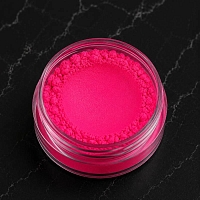


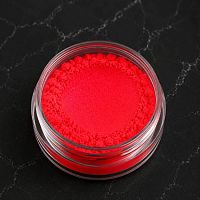


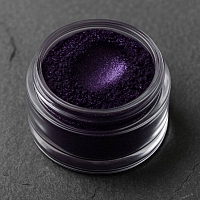
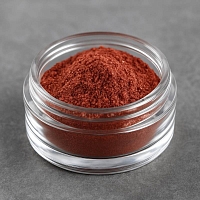
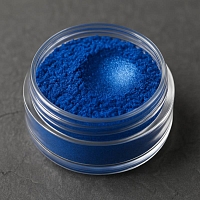


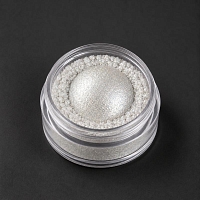
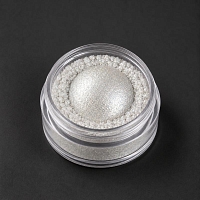


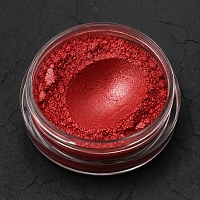


Pigment types and how color intensity is built in a batch
This section covers coloring raw materials used to tint polymer based craft compounds: liquid dyes, powder pigments, mica based shimmer particles and concentrated color pastes. Each format disperses differently, giving formulators control over opacity, shimmer and how many drops or grams are needed to reach a target shade.
Powder pigments and micas work well in opaque, matte finishes and are also common in soap coloring, bath product manufacturing and resin casting, since the same particle size and dispersion behavior applies across polymer and oil based media. Liquid and gel dyes blend faster into a batch and suit translucent or jelly like textures where color needs to stay even without clouding the base.
Formulators who also work with texture and scent often pair colorants with slime additives to adjust stretch and finish, or with slime fragrance oils to round out a finished batch beyond color alone.
Matte pigments, shimmer micas and liquid dyes compared
Powder pigments deliver a flat, dense color that holds up in opaque bases, while mica particles bring reflective shimmer that ranges from a soft pearl finish to a strong metallic sparkle depending on particle size. Concentrated color pastes sit between the two, offering strong tinting power in a small dose without adding grit to the texture.
Liquid and gel dyes are the fastest to blend and are the usual pick when a batch needs to stay clear or jelly like, since they dissolve rather than sit as suspended particles. This makes them a natural match for translucent bases where a cloudy result would be considered a flaw rather than a style choice.
Choosing a colorant and building a full recipe around it
Selection usually comes down to the finish the batch needs to reach: matte and opaque calls for powder pigment, glass like clarity calls for liquid dye, and a decorative sparkle layer calls for mica. Dosage also matters, since concentrated pastes and micas require far smaller amounts than diluted liquid dyes to hit the same visual intensity.
Color rarely works alone in a finished formulation. Many buyers pair a colorant with glue for slime as the base that carries the pigment through the whole batch, then round out the formulation with the wider slime ingredients range for texture control. Scent is typically sourced separately through slime fragrances wholesale, keeping color, texture and aroma as three independent variables a formulator can adjust on their own.
Storage and building a wider supply list
Powder pigments and micas store best in sealed, dry containers away from direct light, since moisture can cause clumping and light exposure can dull shimmer over time. Liquid dyes should stay tightly capped to avoid evaporation changing their concentration between batches.
Buyers building a recurring order list for polymer based crafting usually browse the full slime supplies: ingredients and additives category alongside colorants, since color choices are typically finalized only after base texture and scent have already been set.
FAQ
What is the difference between mica powder and liquid dye for coloring craft compounds?
Mica powder gives an opaque, shimmering finish with reflective particles, while liquid dye disperses evenly for translucent, jelly like effects. Powders suit dense matte or metallic looks, whereas liquid dyes blend faster and keep a batch clear without clouding the base.
How much pigment or dye should be used per batch?
Amounts depend on the desired shade intensity and the base recipe, starting with small increments and adding gradually. Powder pigments and micas are typically measured in fractions of a gram, while liquid dyes are added drop by drop until the target color is reached.
Can these colorants be combined with each other in one batch?
Yes, mica shimmer particles are often layered over a base tint created with liquid dye or powder pigment to add depth and reflective highlights. Testing a small sample first helps confirm the combined result matches the intended finish before scaling up.
How should powder pigments and micas be stored to keep their color stable?
Keep containers tightly sealed, away from direct sunlight and moisture, at room temperature. Exposure to humidity can cause powder pigments to clump, while prolonged light exposure may dull mica shimmer over time.
Recommendations
Choosing between a powder pigment, mica shimmer or liquid dye comes down to the finish a formulation needs, opaque and dense, reflective and pearlescent, or clear and translucent. Request a small sample batch before committing to a larger quantity, since particle size and color strength can vary between production lots. Our team is reachable by email to help match a specific pigment type and shade to your production volume.



