-
 Absolutes
-
 Active Complexes
-
 Actives & Peptides
-
 Amino Acids & Proteins
-
 Food Flavors
-
 Ayurvedic Ingredients & Herbs
-
 Vitamins & Coenzymes
-
 Chocolate Making Supplies
-
 Thickeners & Gelling Agents
-
 Hydrosols & Floral Waters
-
 Hydrolyzed Proteins
-
 Fragrance Ingredients
-
 Nutraceutical Ingredients
-
 Acids, Salts, Alcohols & Alkalis
-
 Preservatives & Antioxidants
-
 Cosmetic Ingredients
-
 Colorants, Micas & Glitters
-
 Masks, Scrubs & Botanicals
-
 Oils & Butters
-
 Candle Making Supplies
-
 Melt and Pour Soap Bases
-
 Cream, Lotion & Hair Care Bases
-
 Fragrance Oils & Industrial Aromatics
-
 Cleansing Agents & Surfactants
-
 Peeling Actives & Acids
-
 Cosmetic Powders
-
 Solvents & Humectants
-
 Silicones & Conditioning Agents
-
 Bottles, Jars & Vials
-
 Silicone & Plastic Molds, Tools
-
 Botanical Extracts
-
 Cosmetic Emollients
-
 Emulsifiers
-
 Essential Oils


Slime Additives

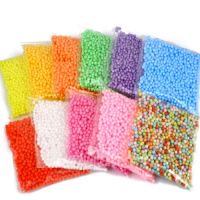


Texture boosters and mix-ins for creative bases
This section brings together small-format additives used to build texture and sensory effect in slime bases, including fillers, beads, foam balls, clay components and similar mix-ins. Each item changes how a base feels or behaves, whether that means added crunch, stretch, weight or visual texture, rather than acting as the base itself.
These additives are chosen for their physical and textural properties, such as particle size, density, flexibility or absorbency, which makes them adaptable across a wide range of tactile and decorative compounds beyond a single fixed use. Workshops and small production lines use them to fine-tune consistency batch to batch.
For finishing touches, this range pairs naturally with Glitter Dust and Sprinkles for shimmer effects or Decorative sprinkles for surface detail, letting a single base be adapted into several distinct finished looks.
Types of texture additives and how they differ
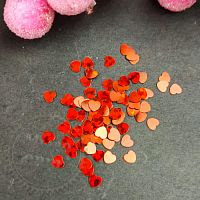
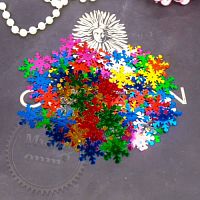
Within this range you will find several distinct families of mix-ins. Sequins and flat glitter shapes, such as tiny heart sequins in red hologram or a mix of small star sequins, add surface sparkle without changing the density of a base. Seasonal shapes like bat-shaped sequins work the same way while giving a themed look. Rounded pieces such as flower-shaped pebbles sit differently in a mix, adding volume and a soft crunch rather than flat shine. Lightweight fillers like foam balls behave differently again, staying buoyant and springy inside a mixture instead of settling at the bottom, which makes them suited to airy, crunchy formats.
The main differences between these groups come down to weight, particle shape and surface finish. Flat pieces reflect light and sit on the surface, round beads distribute themselves through the volume, and foam-type fillers change how a mixture compresses and rebounds. Picking between them is really a question of what physical result is needed, not just visual style.
Choosing and combining with other ingredients
When selecting a texture booster, start with the mechanical property you need: added bulk, surface texture, stretch resistance, or lightweight aeration. Particle size and shape matter more than color at this stage, since they define how the final mixture handles and holds together over time. These additives are functional components, not finished products, so the same item can suit many different formulations depending on the ratio used.
In practice these fillers are combined with other ingredient groups to complete a formulation. Color depth typically comes from a separate colorant or pigment, scent is added through dedicated fragrance oils, and the base structure itself relies on a suitable binding component. Combining several texture families, for example flat sequins with rounded pebbles, allows a producer to layer visual and tactile effects in a single batch rather than relying on one additive alone.
Origin and storage
Items in this range are sourced from suppliers in China, a common origin for small-format decorative and textural components produced at consistent particle size and finish. Keeping these additives in sealed, dry containers away from direct sunlight helps preserve color and shape over repeated use, particularly for lightweight foam-type pieces that can compress if stored under heavy packaging.
FAQ
What is the difference between filler beads and foam balls in slime mix-ins
Filler beads are typically denser and smaller, adding a subtle crunch and weight to a base, while foam balls are lighter and more compressible, creating a softer airy texture. Both are chosen by particle size and firmness rather than color, letting producers combine them for layered tactile effects.
How much texture additive should be added to a base
There is no fixed ratio since it depends on the desired thickness, stretch and crunch level of the final compound. Most workshops start with a small proportion and add gradually, testing consistency between batches until the texture feels right for the intended finish.
Can these mix-ins be combined with glitter and sprinkles in the same batch
Yes, texture additives like beads, foam balls and clay components are commonly layered with glitter dust or decorative sprinkles since they serve different purposes, one shapes the feel of a base while the other adds surface shine or color detail.
How should texture beads and foam mix-ins be stored
Keep them in sealed, dry containers away from direct heat or moisture, since foam and clay based pieces can absorb humidity and lose their original texture over time. Proper storage keeps particle size and firmness consistent for future batches.
Recommendations
When selecting texture additives, match the particle size and firmness to the final feel you want, denser beads for weight and crunch, foam balls for a lighter airy result, clay pieces for a moldable component. Check consistency across a sample batch before committing to a larger order, since texture can vary slightly between production lots. For bulk sourcing or a custom mix of formats, reach out by email and our team will help put together the right combination for your workshop or production line.

 Add to cart




 Subscribe

Texture boosters and mix-ins for creative bases
This section brings together small-format additives used to build texture and sensory effect in slime bases, including fillers, beads, foam balls, clay components and similar mix-ins. Each item changes how a base feels or behaves, whether that means added crunch, stretch, weight or visual texture, rather than acting as the base itself.
These additives are chosen for their physical and textural properties, such as particle size, density, flexibility or absorbency, which makes them adaptable across a wide range of tactile and decorative compounds beyond a single fixed use. Workshops and small production lines use them to fine-tune consistency batch to batch.
For finishing touches, this range pairs naturally with Glitter Dust and Sprinkles for shimmer effects or Decorative sprinkles for surface detail, letting a single base be adapted into several distinct finished looks.
Types of texture additives and how they differ
Within this range you will find several distinct families of mix-ins. Sequins and flat glitter shapes, such as tiny heart sequins in red hologram or a mix of small star sequins, add surface sparkle without changing the density of a base. Seasonal shapes like bat-shaped sequins work the same way while giving a themed look. Rounded pieces such as flower-shaped pebbles sit differently in a mix, adding volume and a soft crunch rather than flat shine. Lightweight fillers like foam balls behave differently again, staying buoyant and springy inside a mixture instead of settling at the bottom, which makes them suited to airy, crunchy formats.
The main differences between these groups come down to weight, particle shape and surface finish. Flat pieces reflect light and sit on the surface, round beads distribute themselves through the volume, and foam-type fillers change how a mixture compresses and rebounds. Picking between them is really a question of what physical result is needed, not just visual style.
Choosing and combining with other ingredients
When selecting a texture booster, start with the mechanical property you need: added bulk, surface texture, stretch resistance, or lightweight aeration. Particle size and shape matter more than color at this stage, since they define how the final mixture handles and holds together over time. These additives are functional components, not finished products, so the same item can suit many different formulations depending on the ratio used.
In practice these fillers are combined with other ingredient groups to complete a formulation. Color depth typically comes from a separate colorant or pigment, scent is added through dedicated fragrance oils, and the base structure itself relies on a suitable binding component. Combining several texture families, for example flat sequins with rounded pebbles, allows a producer to layer visual and tactile effects in a single batch rather than relying on one additive alone.
Origin and storage
Items in this range are sourced from suppliers in China, a common origin for small-format decorative and textural components produced at consistent particle size and finish. Keeping these additives in sealed, dry containers away from direct sunlight helps preserve color and shape over repeated use, particularly for lightweight foam-type pieces that can compress if stored under heavy packaging.
FAQ
What is the difference between filler beads and foam balls in slime mix-ins
Filler beads are typically denser and smaller, adding a subtle crunch and weight to a base, while foam balls are lighter and more compressible, creating a softer airy texture. Both are chosen by particle size and firmness rather than color, letting producers combine them for layered tactile effects.
How much texture additive should be added to a base
There is no fixed ratio since it depends on the desired thickness, stretch and crunch level of the final compound. Most workshops start with a small proportion and add gradually, testing consistency between batches until the texture feels right for the intended finish.
Can these mix-ins be combined with glitter and sprinkles in the same batch
Yes, texture additives like beads, foam balls and clay components are commonly layered with glitter dust or decorative sprinkles since they serve different purposes, one shapes the feel of a base while the other adds surface shine or color detail.
How should texture beads and foam mix-ins be stored
Keep them in sealed, dry containers away from direct heat or moisture, since foam and clay based pieces can absorb humidity and lose their original texture over time. Proper storage keeps particle size and firmness consistent for future batches.
Recommendations
When selecting texture additives, match the particle size and firmness to the final feel you want, denser beads for weight and crunch, foam balls for a lighter airy result, clay pieces for a moldable component. Check consistency across a sample batch before committing to a larger order, since texture can vary slightly between production lots. For bulk sourcing or a custom mix of formats, reach out by email and our team will help put together the right combination for your workshop or production line.





