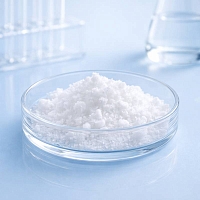
Aromatic Crystalline Ingredient With Broad Industrial Reach
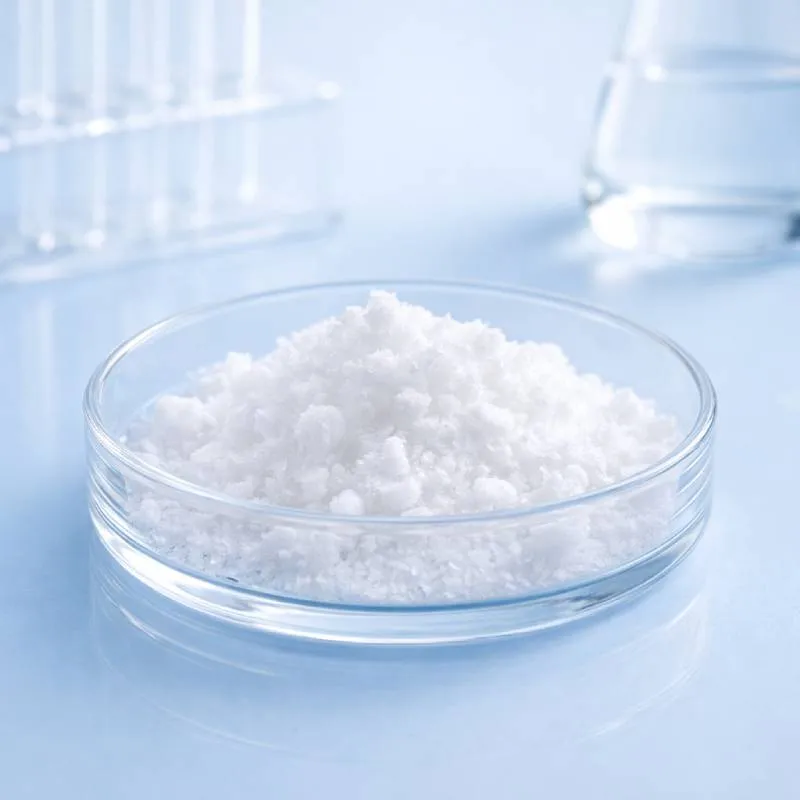
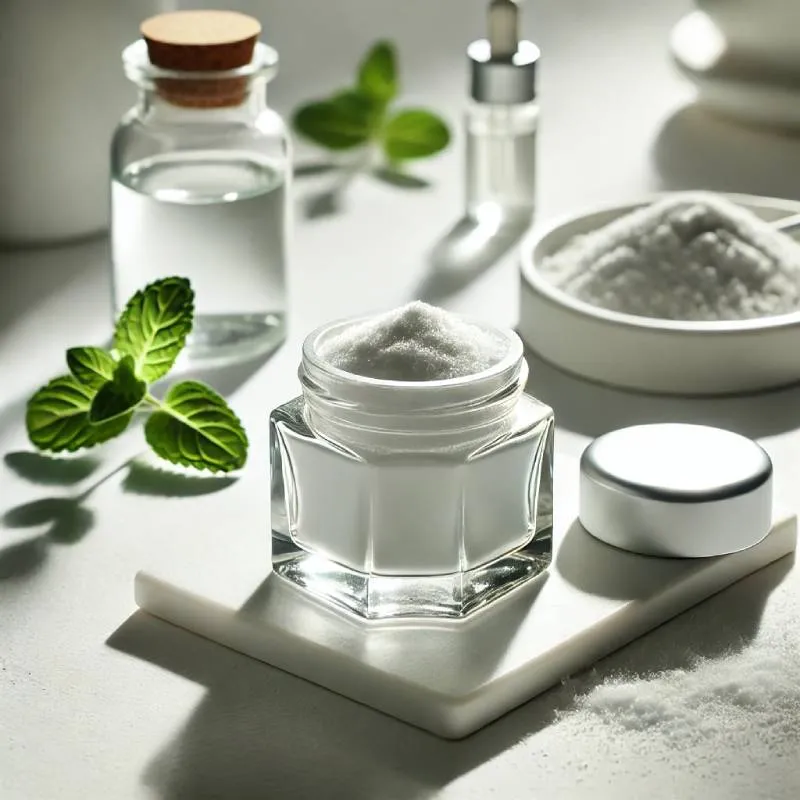
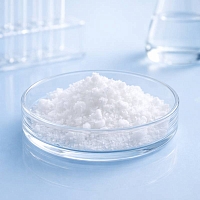
Natural dry camphor in a 50 gram pack belongs to the Chemical Raw Materials section, which brings together components used across cosmetic, household, fragrance and industrial production. The material is obtained from camphor tree wood, and its volatility combined with a distinctive scent has secured it a place in numerous fields well beyond a single industry.
The largest share of global camphor consumption has traditionally gone to industry itself: manufacturing of celluloid and certain plastics, where the substance acts as a plasticizer, production of pyrotechnic mixtures, and moth-repellent preparations used in textile storage and warehousing. At home, dry crystals are commonly placed in closed wardrobes and boxes as a natural deterrent against fabric and fur pests, as well as for protecting paper goods.
Within fragrance manufacturing, camphor serves as a fixative and modifier that lends compositions a fresh, slightly cooling woody-camphoraceous note. Small dosages, typically between 0.1 and 1 percent of the total blend weight, are added to perfume bases, scented candles and reed diffuser formulas. In personal care formulations, crystals are dissolved in oils or an alcohol base to create warming balms, body rubs and massage preparations, where camphor delivers a pronounced sensation of warmth and freshness on skin.
When working with camphor, its volatility deserves attention: the substance tends to sublime at room temperature, so it should be introduced at the final formulation stage, at temperatures not exceeding 40-45 degrees Celsius, to reduce evaporation losses. Crystals dissolve readily in ethanol, vegetable and mineral oils, though they do not mix easily with water without an emulsifier. Store the product in a tightly sealed container, in a cool dry place away from direct light, since camphor gradually evaporates in open air even at room temperature.
The 50 gram pack size suits home formulators making trial batches of cosmetics, testing balm and rub recipes, sachet blends and moth-repellent mixtures, as well as small laboratory trials requiring precise handling of limited raw material volumes. For those working on larger scale chemical formulations and industrial tasks, the same catalog section offers related reagents, such as phosphoric acid 73% for technological processes, cobalt oxide for pigment and dye production, and thiourea used in chemical synthesis and metal processing.
Cooling Camphor Massage Oil Blend
Natural dry camphor 8 g
Sweet almond oil 90 ml
Menthol crystals 2 g
Eucalyptus essential oil 4 ml
Jojoba oil 20 ml
Grind
the camphor crystals into fine powder and dissolve them together with menthol
in the almond oil warmed gently to about 40 degrees Celsius, stirring until
fully clear. Remove from heat, blend in the jojoba oil and eucalyptus essential
oil, then pour the finished blend into a dark glass bottle and store it in a
cool place away from direct light.