A Small-Format Solution for Toning Lotions and Warming Rubs
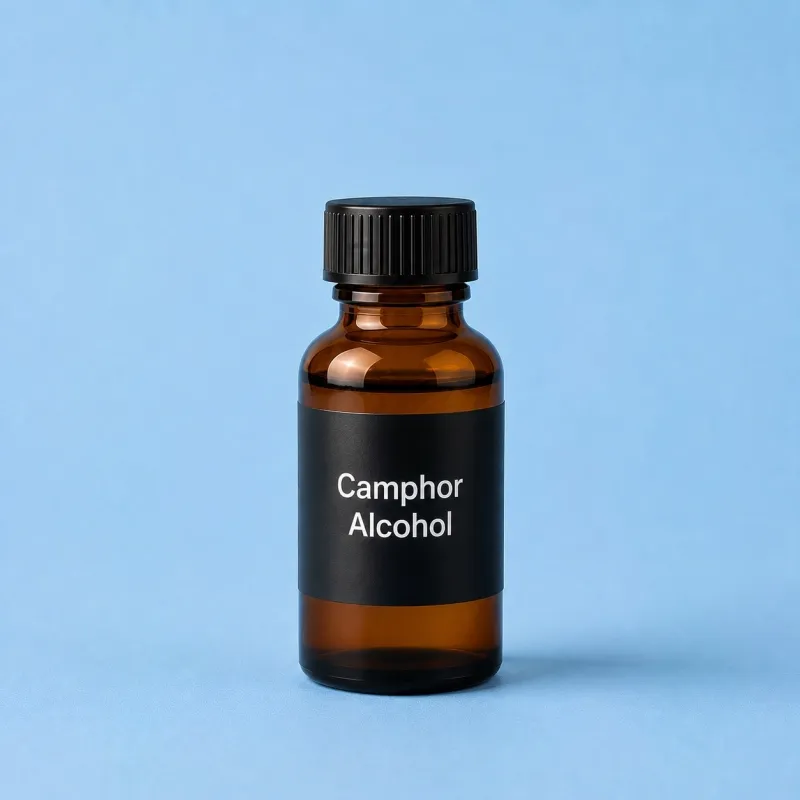
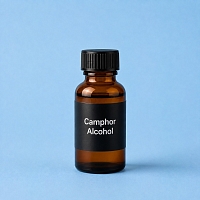
A 40 ml bottle is a practical choice for anyone testing a formula before committing to a larger purchase, or for preparing small batches of personal care products at home. This item belongs to the broader category of Acids, Salts, Alcohols, and Alkalis, which brings together fundamental chemical ingredients used in cosmetic, household, and technical formulations. Camphor alcohol is produced by dissolving camphor in ethyl alcohol, and this combination defines its wide range of practical uses.
The strongest global demand for this ingredient comes from skincare formulations targeting oily and blemish-prone skin. Toners and lotions containing camphor alcohol help tighten the appearance of pores, reduce excess sebum activity, and leave the skin feeling refreshed. In facial formulas it is typically added during the cool-down phase, once the main water portion has reached room temperature, since the volatile compounds in camphor are sensitive to heat. A common dosage in finished facial products stays around 3-5 ml per 100 ml of total batch weight, which helps avoid drying out the skin.
The second major area of use involves warming rubs and massage blends applied to the back, joints, and muscles after physical exertion, both at home and in professional settings. Such blends are often combined with carrier oils and essential oil components to intensify the warming sensation. In these formulations camphor alcohol pairs well with ingredients aimed at supporting microcirculation, such as L-Carnitine, commonly used in anti-cellulite wraps and massage gels.
For hair care, camphor alcohol is used as a component of scalp lotions, where it helps refresh the scalp, reduce oiliness at the roots, and provide a light tingling sensation upon application. It is usually added to the finished lotion in a low concentration, and the bottle should be shaken before use since the alcohol base can separate from denser ingredients over prolonged storage.
Compatibility with acidic ingredients used in cleansing and exfoliating products deserves particular attention. In toners for problem skin, camphor alcohol is frequently combined with Naturale Fruit Acids, which provide gentle exfoliation while camphor alcohol contributes a toning and sebum-balancing effect. In body peeling formulas the alcohol base is sometimes paired with Tartaric Acid, which helps refine skin texture.
Beyond cosmetics, camphor alcohol is also applied in household chemistry, serving as a component in surface-cleaning solutions and technical cleaning liquids due to its alcohol base and volatility. On an industrial scale it is used less frequently on its own and more often as one ingredient within a larger formulation.
Store the product in a tightly sealed container, away from open flame and direct sunlight, at room temperature, avoiding overheating of the bottle. When handling the concentrate, gloves and a ventilated space are recommended, since the alcohol vapors are volatile.
Cooling Toner for Oily Skin
Camphor alcohol 8 ml
Distilled water 90 ml
Witch hazel hydrosol 15 ml
Glycerin 2 ml
Combine the distilled water with the witch hazel hydrosol in a clean container, then stir in the glycerin until fully blended. Add the camphor alcohol last, gently swirling the mixture to distribute it evenly. Pour the finished toner into a spray bottle and apply to clean skin with a cotton pad, avoiding the eye area, for a refreshed and mattified finish.