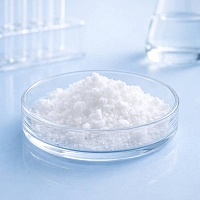
Why Cooling Camphor Powder Earns Its Place in Body and Home Formulas
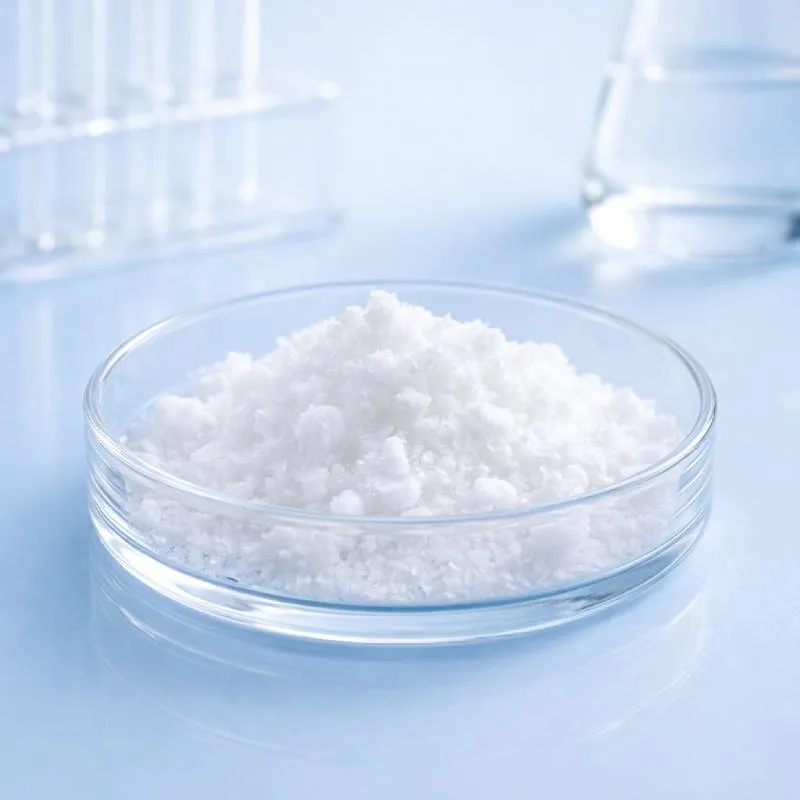
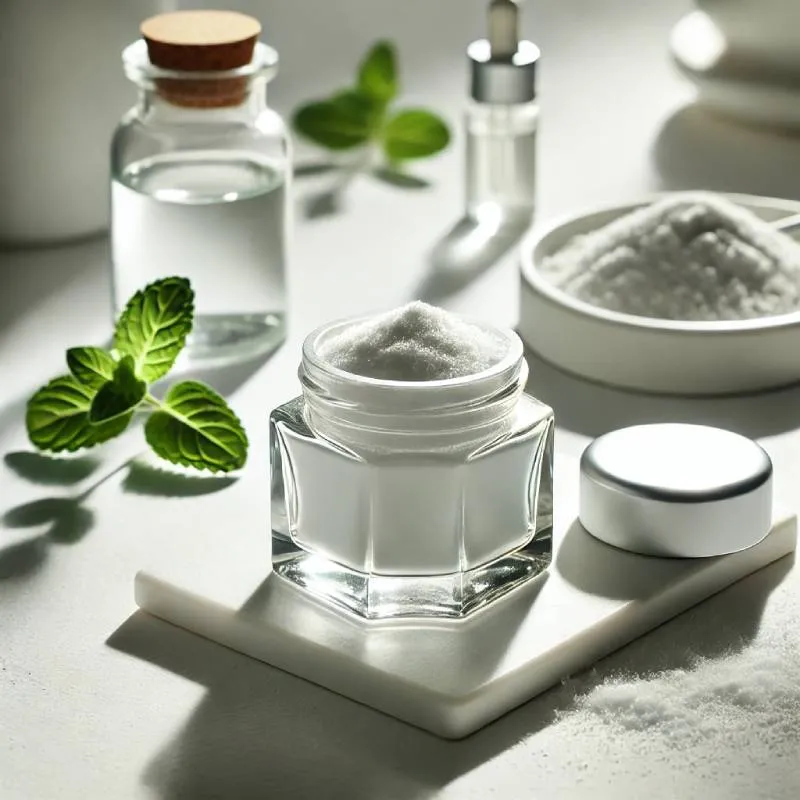
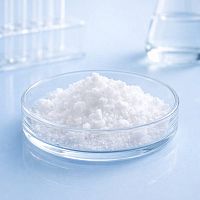
Natural dry camphor powder is a concentrated raw material valued for its distinct cooling sensation and volatile aromatic profile, and its biggest demand worldwide actually comes from pharmaceutical rubs, chest balms and joint liniments rather than from decorative cosmetics alone. Household and personal care manufacturers also rely on it, alongside aromatherapy blends and moth-repelling sachets used in home care. On this site the powder is listed under Cosmetic Raw Materials, a section built for everyone from home formulators to small studio labs.
The 10 gram pack is intended for trial batches and formula testing before scaling up, as well as for hobbyists preparing small volumes of foot balms, post-workout cooling gels or scented candles. Because camphor is highly concentrated, even this small amount goes a long way — typical usage rates in finished formulas range from about 0.3 to 2 percent of total weight.
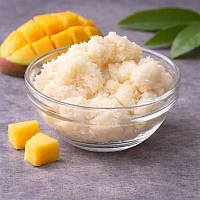
In skin care, the powder appears in formulas for tired feet, post-exercise skin and cleansing toners aimed at blemish-prone complexions. It is frequently paired with Amipreserve, a natural salicylic acid that helps refine pores while camphor delivers a refreshing, tingling sensation. For exfoliating scrubs and softening masks aimed at rough foot skin, camphor pairs nicely with Mango Powder, and for a smaller trial version of the same recipe, the Mango Powder 5 g pack works well.
In fragrance and candle making, camphor is often used as a supporting note within woody, coniferous or minty accords, adding a sharp cool edge that becomes noticeable once the wax or oil base is warmed. When making candles or aroma diffusers, it is stirred into melted wax or oil base at roughly 50 to 60 degrees Celsius until the crystals fully dissolve.
For oil-based formulas, camphor crystals are usually crushed if needed and blended in at around 40 to 50 degrees Celsius with continuous stirring, which helps them dissolve evenly. In alcohol or water-alcohol solutions the powder dissolves more easily without strong heating. Since camphor is volatile and sensitive to light, heat and moisture, it should be kept in a tightly sealed, opaque container in a cool, dry place away from open flame and direct sunlight.
It blends well with eucalyptus, peppermint, tea tree, lavender and rosemary essential oils, and such combinations commonly appear in body balms, portable inhalers and room sprays. In household care it goes into moth-repelling sachets and granules, as well as freshening blends for footwear and textiles.
Cooling Foot Balm
Natural dry camphor powder 1 g
Coconut oil 40 g
Beeswax 10 g
Peppermint essential oil 3 ml
Natural mango powder 5 g
Melt the beeswax and coconut oil together in a double boiler at about 60 degrees Celsius, then remove from heat and let cool to roughly 45 to 50 degrees. Stir in the camphor powder and mango powder until fully blended, then add the peppermint essential oil and mix once more. Pour the mixture into small jars and let it set at room temperature away from direct heat sources.