-
 Absolutes
-
 Active Complexes
-
 Actives & Peptides
-
 Amino Acids & Proteins
-
 Food Flavors
-
 Ayurvedic Ingredients & Herbs
-
 Vitamins & Coenzymes
-
 Chocolate Making Supplies
-
 Thickeners & Gelling Agents
-
 Hydrosols & Floral Waters
-
 Hydrolyzed Proteins
-
 Fragrance Ingredients
-
 Nutraceutical Ingredients
-
 Acids, Salts, Alcohols & Alkalis
-
 Preservatives & Antioxidants
-
 Cosmetic Ingredients
-
 Colorants, Micas & Glitters
-
 Masks, Scrubs & Botanicals
-
 Oils & Butters
-
 Candle Making Supplies
-
 Melt and Pour Soap Bases
-
 Cream, Lotion & Hair Care Bases
-
 Fragrance Oils & Industrial Aromatics
-
 Cleansing Agents & Surfactants
-
 Peeling Actives & Acids
-
 Cosmetic Powders
-
 Solvents & Humectants
-
 Silicones & Conditioning Agents
-
 Bottles, Jars & Vials
-
 Silicone & Plastic Molds, Tools
-
 Botanical Extracts
-
 Cosmetic Emollients
-
 Emulsifiers
-
 Essential Oils
- Absolutes 55
- Active Complexes 265
- Actives & Peptides 4860
- Amino Acids & Proteins 71
- Food Flavors 2097
- Ayurvedic Ingredients & Herbs 220
- Vitamins & Coenzymes 108
- Chocolate Making Supplies 109
- Thickeners & Gelling Agents 101
- Hydrosols & Floral Waters 139
- Hydrolyzed Proteins 87
- Fragrance Ingredients 44
- Nutraceutical Ingredients 797
- Acids, Salts, Alcohols & Alkalis 112
- Preservatives & Antioxidants 132
- Cosmetic Ingredients 8494
- Colorants, Micas & Glitters 1423
- Masks, Scrubs & Botanicals 1259
- Oils & Butters 1711
- Candle Making Supplies 542
- Melt and Pour Soap Bases 341
- Cream, Lotion & Hair Care Bases 89
- Fragrance Oils & Industrial Aromatics 6527
- Cleansing Agents & Surfactants 140
- Peeling Actives & Acids 57
- Cosmetic Powders 325
- Solvents & Humectants 37
- Silicones & Conditioning Agents 91
- Bottles, Jars & Vials 3927
- Silicone & Plastic Molds, Tools 6071
- Botanical Extracts 3614
- Cosmetic Emollients 108
- Emulsifiers 304
- Essential Oils 606


Thickeners & Gelling Agents
 Add to cart

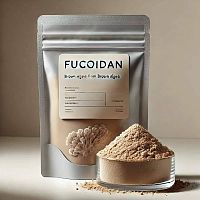


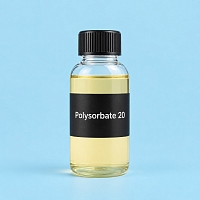


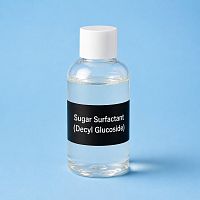
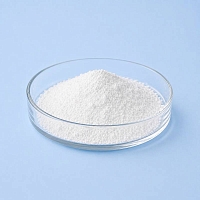


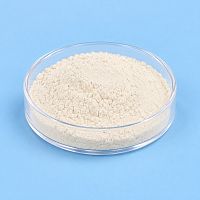
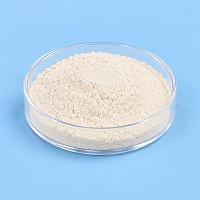

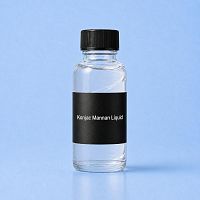


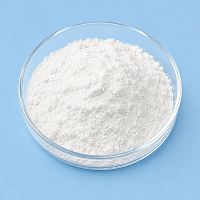
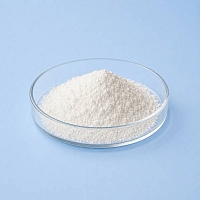
Texture builders for creams gels and serums
This section brings together thickening and gelling raw materials used to build the texture, viscosity, and stability of cosmetic formulas. Here you can find polymer and natural gums, cellulose derivatives, clay based thickeners, and gel forming agents suited for water phase and emulsion systems alike, sold for use in professional and home based cosmetic production.
These ingredients shape how a finished product feels and behaves: a lightweight gel serum, a rich cream, a pourable lotion, or a stable shampoo base all rely on the right thickening system to hold water, oil, and active ingredients together without separating over time. Formulators also use them to fine tune spreadability, suspend particles like exfoliating grains or shimmer, and support the stability of pigments found in the Dyes, Pearlescents, and Glitters range.
Beyond skincare, gelling agents help bind dry botanical blends and clay based textures used in facial treatments, including formulas built around the ingredients found in Face Masks, Scrubs, and Dried Flowers. Choosing the correct thickener depends on the water content, pH, and electrolyte load of the rest of the formula.
Gum, gel, and polymer types compared
Plant derived gums behave differently from synthetic polymers, so it helps to know the main groups before building a formula. Guar Gum 25 g and its larger pack, Guar Gum 50 g, hydrate quickly in cold water and add a cushiony viscosity to lotions and conditioners without requiring heat.
Xanthan Gum 50 g forms a different kind of network, one that resists shear and stays stable across a wide pH range, which is why it often turns up in serums and sprayable formulas that need to flow under pressure yet hold suspended particles at rest. Marine and botanical gelling agents work on another principle entirely: Agar-Agar 1200 25 g and Agar-agar 1100 25 g set into a firm gel once heated and cooled, useful where a solid, sliceable structure is wanted rather than a pourable one.
Synthetic and semi synthetic options fill in the gaps that natural gums cannot always cover. Carbopol Ultrez-21 10 g builds crystal clear, high viscosity gels with minimal usage levels, ideal for lightweight gel serums where cloudiness is undesirable. Polygel CA 50 g offers a similar clarity with different handling behavior, while Carboxymethyl Cellulose 50 g brings cellulose based thickening that pairs well in electrolyte heavy systems where some gums lose efficiency. Two further materials round out the range for different textures: Gelatin 100 g for elastic, bouncy gels, and Pectin 25 g for softer set structures often built alongside acidic ingredients.
Matching a thickener to your formula
Selection starts with the water phase itself. Electrolyte content, pH, and the presence of active ingredients such as acids or salts all affect how a gum or polymer performs, so a thickener that works beautifully in a plain water gel may thin out once salts or actives are added. Carbopol type polymers are sensitive to electrolytes and need neutralization, while cellulose derivatives and guar based systems tolerate a wider range of conditions.
Many formulators combine two thickening types in one recipe: a gum for early viscosity build and a polymer for long term stability, or a gelling agent for structure alongside a suspending agent for shimmer and grains. This is also where compatibility with pigments matters, since particles from the Anion-gel 10 ml line or other suspended additives need a base viscous enough to keep them evenly distributed rather than settling at the bottom of the container.
Origins, storage, and packaging
Raw materials in this range come from a mix of established manufacturing regions, including Germany, Spain, Czechia, the United States, Switzerland, France, Italy, and the United Kingdom, reflecting both plant derived and synthetic production routes. Most powders and gums should be kept sealed, dry, and away from direct sunlight to avoid clumping or premature hydration.
Pack sizes are typically small and lab friendly, from 10 g trial portions up to 100 g working supplies, which suits both home based formulators testing a new gel and small production runs that do not need bulk quantities yet. For projects that also involve packaging or presentation, the Molds, Packaging, Tools section covers containers and finishing supplies that pair with a finished formula.
FAQ
What is the difference between a gum and a cellulose based thickener?
Gums are natural polysaccharides that build viscosity and stabilize emulsions at low use levels, while cellulose derivatives form clearer gels with a smoother slip. Formulators often pick cellulose types for clear serums and gums for creamier, richer textures in lotions and shampoos.
How much thickener is typically used in a cream or gel formula?
Usage rates usually range from about 0.2 percent to 2 percent depending on the ingredient and desired viscosity. It is best to start with a small test batch, since electrolytes, pH, and oil content all affect how strongly a thickener performs in the final texture.
Can thickeners be combined with each other in one formula?
Yes, combining a gum with a cellulose derivative or a polymer often gives better stability and a more pleasant skin feel than using one thickener alone. Blending helps balance flow, suspension of particles, and long term consistency across storage conditions.
How should gelling and thickening raw materials be stored?
Keep powders in tightly sealed containers away from moisture, heat, and direct sunlight, since many gums and cellulose types absorb humidity from the air and can clump over time. A cool, dry storage area helps preserve consistent hydration and thickening performance.
Do these thickeners work in both water based gels and oil in water emulsions?
Most of the ingredients in this range are designed for water phase use and perform well in gels, lotions, and emulsion systems, though performance depends on the electrolyte level and pH of the full formula. Checking compatibility in a small trial batch is recommended before scaling production.
Recommendations
When selecting a thickening or gelling ingredient, match it to your water phase, pH range, and whether the formula contains electrolytes or active acids, since these factors strongly affect final viscosity. Natural gums suit richer creams and shampoo bases, while cellulose derivatives work well for clear gels and lightweight serums. Always run a small test batch before committing to full production, as texture can shift with temperature and mixing method. For questions about a specific raw material, particle size, or available batch, reach out to our team by email and we will help you find the right fit for your formula.



