Getting Precise Golden Tones in Small-Batch Wax and Oil Blends
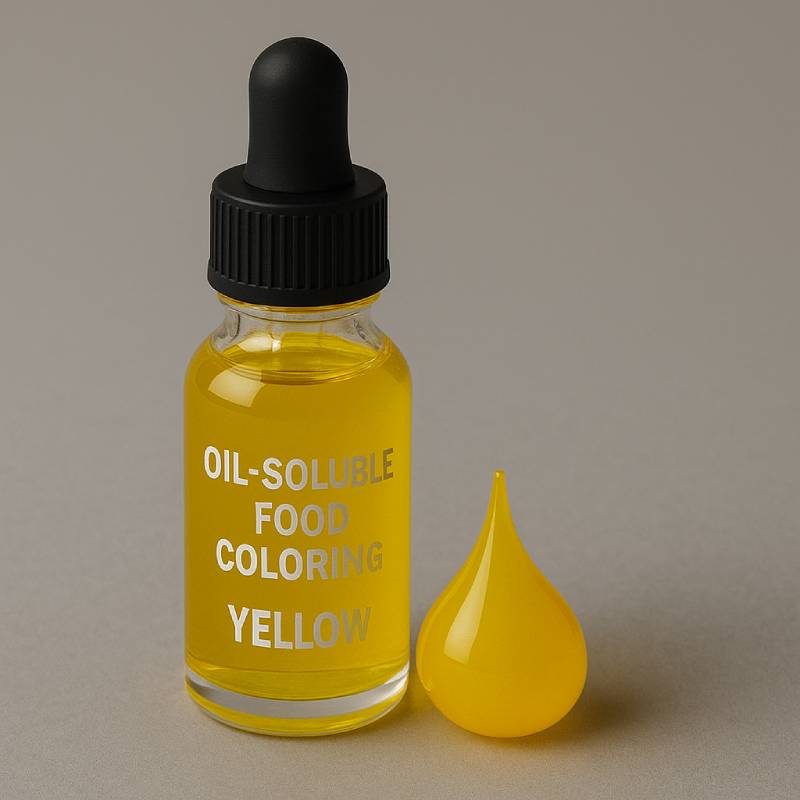
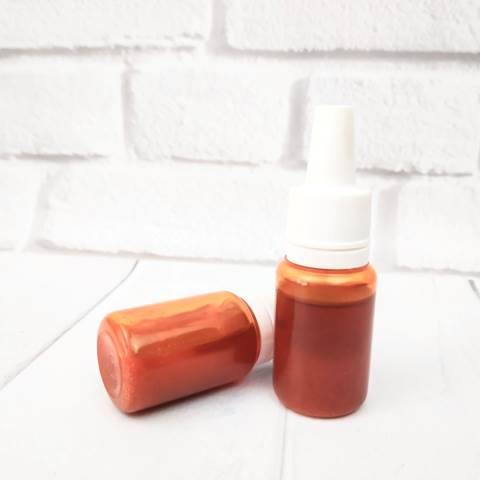
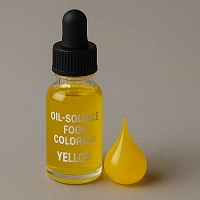
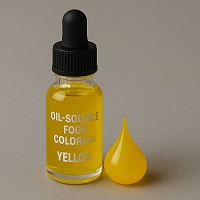
This liquid oil soluble yellow colorant in a compact 10 ml bottle is designed for makers working with small quantities of raw material who need accurate, controllable dosing. The product belongs to the oil soluble liquid dyes category, which brings together pigments intended for uniform, streak-free coloring of oil, fat and wax bases. A small format like this one suits home workshops, recipe testing and short trial batches, letting makers avoid buying more product than they can use within a reasonable time.
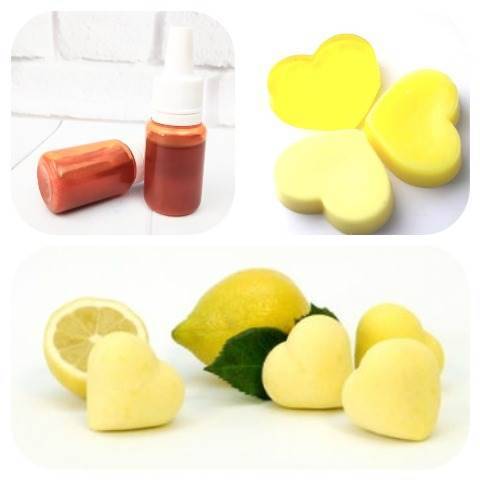
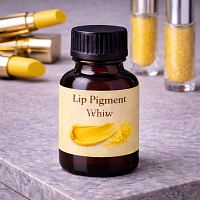
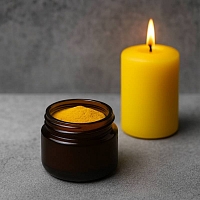
The leading real-world application of oil soluble yellow colorants worldwide is candle making. Paraffin, soy and palm waxes accept the pigment evenly throughout the melted pour, typically poured into molds at around 60 to 80 degrees Celsius, giving consistent color from the surface to the core of the finished candle. Yellow shades are especially popular for honey, citrus, vanilla and autumn-themed fragrance lines, as well as for imitating natural beeswax in candles made from more affordable wax blends. The second major field is skincare and decorative cosmetics, where lip balms, solid body oils, massage bars and oil-based cream bases take the colorant during the oil melting stage, before heat-sensitive active ingredients are introduced. In household chemistry, the same type of pigment colors wax polishes, furniture pastes and wood care compounds. In food-related manufacturing, oil soluble colorants are used to tint fats, chocolate coatings and confectionery fillings, though food-grade suitability of a specific batch should always be checked separately.
The pigment dissolves completely in vegetable and mineral oils, melted wax and fats, as well as in silicone oils, making it compatible with virtually any oil-based formulation. It does not mix with water phases, so water-based emulsions require a separate water soluble colorant instead. Dosing is done drop by drop, typically starting with one to three drops per one hundred grams of base and increasing gradually until the desired shade intensity is reached - thanks to the concentrated formula, a 10 ml bottle is enough for dozens of trial batches. The colorant should be introduced at the melt temperature of the base, usually between 50 and 80 degrees Celsius, with thorough mixing until the color is fully even. Yellow blends well with other shades from the same line: adding a drop of red oil soluble colorant produces a warm amber or orange tone, while combining it with lemon oil soluble colorant gives a cooler, brighter lemon shade. For a ready bright orange result without mixing, the pre-made orange oil soluble colorant is a convenient option. Keep the bottle tightly closed, away from direct sunlight and heat, at room temperature, since prolonged light exposure can gradually fade the pigment.
Golden Citrus Candle
Soy wax 200 g
Yellow oil soluble colorant 4 drops
Orange essential oil 6 ml
Cotton wick 1 pc
Melt the soy wax in a double boiler until fully liquid at around 75 degrees Celsius, remove from heat and let it cool slightly to 65 degrees, then add the colorant drop by drop while stirring until the color is even throughout. Mix in the orange essential oil, pour the wax into a prepared container with a centered wick, and leave it to set undisturbed at room temperature for at least six hours before trimming the wick.
Frequently asked questions
How to mix the yellow oil soluble colorant into candle wax?
Add the yellow oil soluble colorant drop by drop into the melted wax at temperatures between 60 and 80 degrees while stirring continuously until the color distributes evenly. Begin with a minimal quantity during a test batch to reach the exact shade needed for your candles. This 10 ml pack works well for small production runs or home experiments with paraffin and soy waxes.
What bases accept the yellow fat soluble dye without sediment?
The yellow fat soluble dye integrates smoothly into paraffin, soy and palm waxes along with various oil-based cosmetic phases, producing uniform color without any sediment forming. It was specifically created for consistent results in both wax and fat-based compositions used in candle and cosmetic making. Always test compatibility in your specific base before full use.
Is the 10 ml pack enough for trial cosmetic batches?
The compact 10 ml pack size makes it practical for testing and refining new formulas of lip balms, body butters and similar oil-rich products prior to increasing batch sizes. Home makers and small labs benefit from avoiding excess material that might expire unused. Adjust the amount gradually based on the intensity required in each trial.
How to obtain quality documents for this yellow dye?
A certificate of analysis can be requested for the specific batch of this yellow dye to verify its properties and suitability for applications in oil and wax mixtures. This document helps confirm quality standards for professional or regulated work. Contact the supplier directly to obtain it when needed for your records.