-
 Absolutes
-
 Active Complexes
-
 Actives & Peptides
-
 Amino Acids & Proteins
-
 Food Flavors
-
 Ayurvedic Ingredients & Herbs
-
 Vitamins & Coenzymes
-
 Chocolate Making Supplies
-
 Thickeners & Gelling Agents
-
 Hydrosols & Floral Waters
-
 Hydrolyzed Proteins
-
 Fragrance Ingredients
-
 Nutraceutical Ingredients
-
 Acids, Salts, Alcohols & Alkalis
-
 Preservatives & Antioxidants
-
 Cosmetic Ingredients
-
 Colorants, Micas & Glitters
-
 Masks, Scrubs & Botanicals
-
 Oils & Butters
-
 Candle Making Supplies
-
 Melt and Pour Soap Bases
-
 Cream, Lotion & Hair Care Bases
-
 Fragrance Oils & Industrial Aromatics
-
 Cleansing Agents & Surfactants
-
 Peeling Actives & Acids
-
 Cosmetic Powders
-
 Solvents & Humectants
-
 Silicones & Conditioning Agents
-
 Bottles, Jars & Vials
-
 Silicone & Plastic Molds, Tools
-
 Botanical Extracts
-
 Cosmetic Emollients
-
 Emulsifiers
-
 Essential Oils
- Water-Soluble Oils Wholesale 25
- Bulk Liquid Oils 297
- Natural Oil Complexes Wholesale 58
- Bulk Oils 27
- Herbal Oil Extracts and Infusions Wholesale 16
- Massage Oils Wholesale 17
- Macerated Oils Wholesale 30
- Carrier Oil Blends Wholesale 71
- Solid Oils and Butters Wholesale 78
- Solid Oils and Butters Bulk Wholesale 10
- Fermented Oils Wholesale 8
- Natural Essential Oils Wholesale 769


Bulk Liquid Oils
 Add to cart







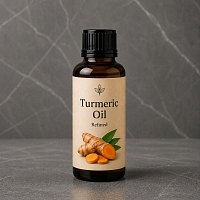


Liquid carrier oils for creams serums and hair care
This section brings together liquid vegetable oils supplied as bulk raw material for cosmetic manufacturing, cold pressed and refined variants covering light dry oils, richer nourishing types, and everything used to build the fatty phase of an emulsion. Formulators buy here to source a single oil or to compare several profiles side by side before committing to a production batch.
Liquid oils are the backbone of the oil phase in face and body creams, lightweight serums, massage blends, hair oils, and leave in conditioning formulas. A thinner, fast absorbing oil often carries active ingredients into a serum, while a heavier one is chosen to reinforce an occlusive balm or a richer night cream. The same jar of oil can move between a scalp treatment and an anhydrous body butter depending on how the rest of the formula is built, which is why chemists usually stock more than one type at once.
Choosing between a light finish for a facial serum and a fuller texture for a body butter often comes down to comparing this range with Solid Oils and Butters Wholesale, since blending a liquid oil with a solid butter is a common way to balance spreadability and richness in one formula. For fragrance profiles or actives with a stronger aromatic role, formulators frequently pair a base oil from this catalog with a concentrate from Natural Essential Oils Wholesale, diluting the essential oil into a carrier before it ever touches skin.
Profiles by botanical source and pressing method
Within this category the range splits mainly by texture and fatty acid makeup rather than by a single application. Peanut Oil and Sesame Oil sit toward the middle of the weight range, spreading easily and working well as a base for a broad emulsion without dominating the final feel. Grapeseed Oil and Jojoba Oil lean lighter and absorb quickly, which is why formulators reach for them when a serum or a leave in fluid needs a fast finish instead of a lasting film on the skin.
On the richer end, Burdock Oil, Sea Buckthorn Oil Unrefined and Cashew Oil carry a heavier, more pigmented or nutty character and are usually picked when a formula calls for a fuller, more cushioned texture. Wheat Germ Oil and Watermelon Seed Oil add another layer of variety, since one brings a denser, more traditional conditioning feel while the other stays notably light despite its origin as a seed press. Flaxseed Oil and Macadamia Oil round out the range with their own balance of spreadability and richness, giving a chemist several ways to fine tune a single formula without switching to a completely different raw material family.
Matching an oil to a formula and building a blend
The main criteria for choosing between these oils are absorption speed, the finished feel on skin or scalp, and how the oil behaves once other ingredients are added to the batch. A fast absorbing oil is usually the first choice for a facial serum or a hair fluid meant to leave no residue, while a heavier, slower oil supports a body butter, a scalp treatment, or a richer conditioning mask that needs to sit on the surface longer.
Most working formulas do not rely on a single oil at all. A lighter type is commonly blended with a denser one from this same range to land on a texture that neither oil alone would give, and the resulting mix can then be thickened with a product from Base Oil Blends Wholesale when a ready made ratio is more practical than measuring each component separately for a small batch. Beyond emulsions, these oils also serve as the carrier stage for actives, plant extracts, and fragrance materials that need dilution before they are safe or workable in a finished product.
Origin and storage notes
Supply for this range draws on oil producing regions including Germany, India, Morocco, Ukraine, Italy, Iran, France, and Kenya, with the pressing origin often shaping the oil more than the plant name alone. Because these are unrefined or lightly processed liquid oils, most of them are sensitive to heat, light, and prolonged air exposure, so a cool, dark storage spot and a tightly closed container between uses help preserve their working properties across a full production cycle.
FAQ
What is the difference between a light oil and a heavier oil in a formula?
Light oils absorb quickly and leave little residue, making them suited to facial serums and leave in conditioners, while heavier oils sit longer on the skin and reinforce the occlusive layer in balms and night creams. Formulators often blend both to control final texture and absorption speed.
Can these oils be used in both cold process and heated formulations?
Most cold pressed and refined liquid oils tolerate gentle heating during emulsification, though cold pressed variants are sometimes added at cooldown to preserve their natural profile. Check the smoke point and stability of each oil before adding it to a heated fatty phase.
How should bulk liquid oils be stored to avoid rancidity?
Keep containers tightly sealed, away from direct light and heat, ideally in a cool dry storage area. Oxygen exposure and warm temperatures speed up oxidation, so smaller working containers are preferable once a large drum has been opened.
Which oils work well combined with solid butters in one formula?
Lighter liquid oils are frequently paired with firmer butters to soften texture and improve spreadability, while richer liquid oils reinforce the same butter for a denser balm. The right pairing depends on the finish you want, from a fast absorbing lotion to a thick body butter.
Do these oils suit both leave in hair products and rinse off formulas?
Yes, lighter oils are common in leave in conditioners and scalp treatments, while some of the same oils appear in pre wash treatments or rinse off masks at higher concentrations. Selection depends on hair porosity and the desired weight of the finished product.
Recommendations
Start by matching the oil to the texture you want in the finished formula rather than picking by name alone, since two oils with similar origins can behave very differently in a cream base. Compare absorption speed, viscosity, and oxidative stability before committing a full production batch to one supplier lot, and request a small sample size if you are testing a new profile for the first time. Buyers working across several formulas often keep more than one oil on hand to adjust texture without reformulating from scratch. Reach out by email with your intended application and target batch size, and our team will help match the right oil to your production needs.



