Product Description
Sourcing and specification details
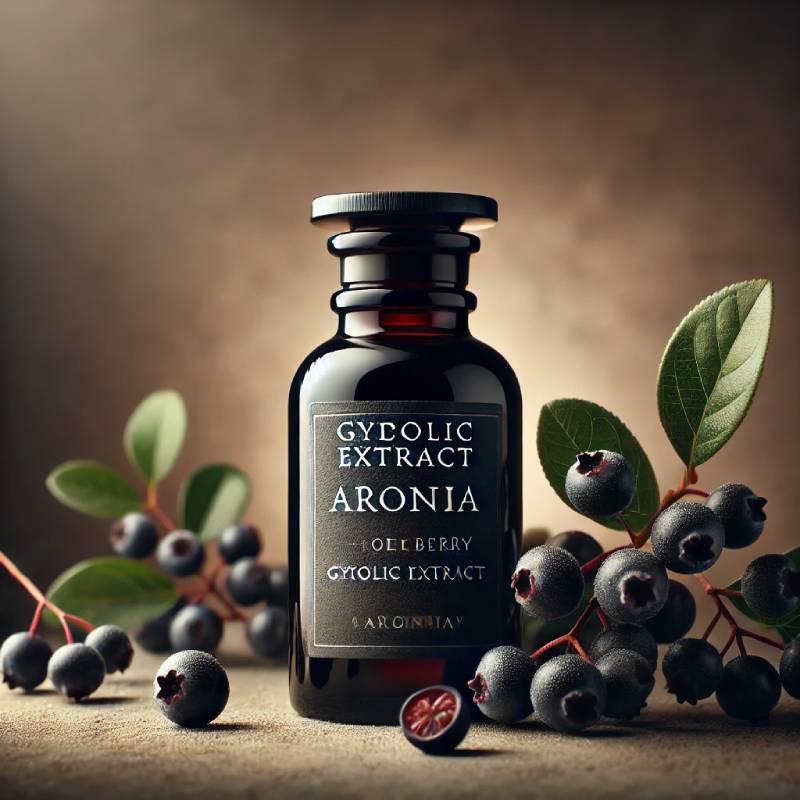
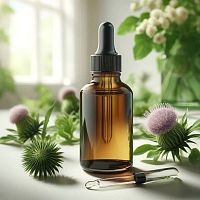
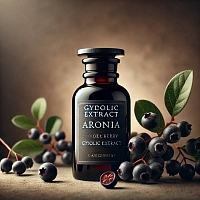
Aronia glycolic extract originates from Germany and arrives as a liquid in 1 L packaging. This natural plant raw material meets the needs of cosmetic laboratories and supplement manufacturers seeking consistent botanical inputs. Glycolic Extracts Wholesale provide options for larger procurement volumes. International buyers rely on this sourcing route for stable supply chains in both small and large operations.
Integration parameters for B2B formulas
The extract dissolves readily in water, alcohol and propylene glycol. It enters finished cooling emulsions under stirring at levels between 0.05 and 5 percent. Such parameters suit both small-batch and industrial cosmetic production. Formulators appreciate the flexibility when working with different base types and textures. Extracts Wholesale supports ongoing development of varied cosmetic and supplement lines.
Role in dietary supplements and food manufacturing
Factories worldwide purchase the extract as a botanical raw material for dietary supplements, functional beverages and confectionery items. Glycolic Strawberry Extract 1 L follows the same sourcing logic for comparative projects. Private formulators and large-scale operations rely on this approach for neutral plant-based additions in drink premixes and functional food lines.
Sample hair care blend
Combine 85 g base lotion with 2.5 g aronia glycolic extract, 1.5 g glycerin and preservative per manufacturer guidelines. Mix after cooling and package for scalp application to maintain hair condition. This example demonstrates easy incorporation into rinse-off and leave-on products alike.
Storage guidelines
Keep in a cool dark location inside a tightly closed container to maintain usability until December 2028. This supports inventory planning for international buyers who require predictable shelf life across multiple product cycles.
Compatibility across product lines
The liquid format allows seamless incorporation into serums, body lotions and drink premixes without altering base viscosity. Cosmetic labs and food manufacturers value the predictable behavior in varied pH environments and temperature ranges typical of production settings.
Frequently asked questions
What temperature range applies during incorporation?
Add only after the emulsion has cooled below 40 degrees Celsius to preserve the original profile of the extract.
Is the product suitable for food-grade blends?
Yes, it serves as raw material for supplements and food items when used within recommended percentages across global manufacturing sites.
Are additional certifications required for export?
Buyers should verify local regulations, yet the base specification remains consistent for global shipments to cosmetic labs and supplement producers.