-
 Absolutes
-
 Active Complexes
-
 Actives & Peptides
-
 Amino Acids & Proteins
-
 Food Flavors
-
 Ayurvedic Ingredients & Herbs
-
 Vitamins & Coenzymes
-
 Chocolate Making Supplies
-
 Thickeners & Gelling Agents
-
 Hydrosols & Floral Waters
-
 Hydrolyzed Proteins
-
 Fragrance Ingredients
-
 Nutraceutical Ingredients
-
 Acids, Salts, Alcohols & Alkalis
-
 Preservatives & Antioxidants
-
 Cosmetic Ingredients
-
 Colorants, Micas & Glitters
-
 Masks, Scrubs & Botanicals
-
 Oils & Butters
-
 Candle Making Supplies
-
 Melt and Pour Soap Bases
-
 Cream, Lotion & Hair Care Bases
-
 Fragrance Oils & Industrial Aromatics
-
 Cleansing Agents & Surfactants
-
 Peeling Actives & Acids
-
 Cosmetic Powders
-
 Solvents & Humectants
-
 Silicones & Conditioning Agents
-
 Bottles, Jars & Vials
-
 Silicone & Plastic Molds, Tools
-
 Botanical Extracts
-
 Cosmetic Emollients
-
 Emulsifiers
-
 Essential Oils
- Absolutes 55
- Active Complexes 265
- Actives & Peptides 4839
- Amino Acids & Proteins 71
- Food Flavors 2097
- Ayurvedic Ingredients & Herbs 220
- Vitamins & Coenzymes 108
- Chocolate Making Supplies 109
- Thickeners & Gelling Agents 101
- Hydrosols & Floral Waters 139
- Hydrolyzed Proteins 87
- Fragrance Ingredients 44
- Nutraceutical Ingredients 797
- Acids, Salts, Alcohols & Alkalis 112
- Preservatives & Antioxidants 132
- Cosmetic Ingredients 8491
- Colorants, Micas & Glitters 1423
- Masks, Scrubs & Botanicals 1259
- Oils & Butters 1711
- Candle Making Supplies 542
- Melt and Pour Soap Bases 341
- Cream, Lotion & Hair Care Bases 89
- Fragrance Oils & Industrial Aromatics 6527
- Cleansing Agents & Surfactants 140
- Peeling Actives & Acids 57
- Cosmetic Powders 325
- Solvents & Humectants 37
- Silicones & Conditioning Agents 91
- Bottles, Jars & Vials 3927
- Silicone & Plastic Molds, Tools 6081
- Botanical Extracts 3614
- Cosmetic Emollients 108
- Emulsifiers 304
- Essential Oils 606


Vitamins & Coenzymes

 Add to cart
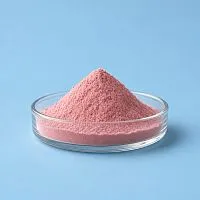
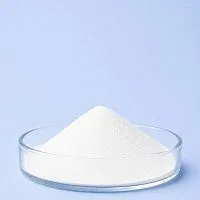


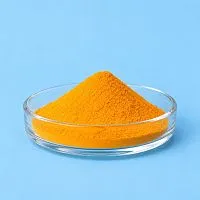


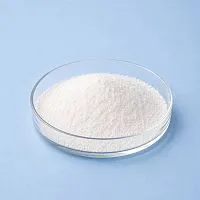







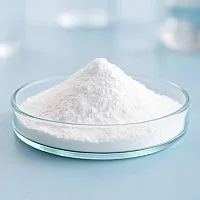


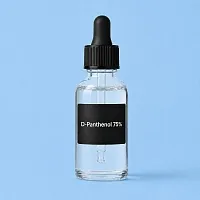

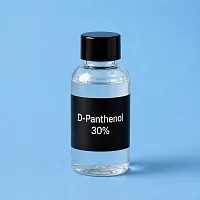
Active nutrients for stable, effective skincare recipes
This section covers concentrated vitamin ingredients used to build functional skincare formulations, including forms of vitamin C, E, A, B group compounds, and other bioactive nutrients supplied as powders, oils, or liquid concentrates. Each ingredient is selected for its stability profile, solubility, and compatibility with common cosmetic bases, giving formulators a reliable toolkit for building targeted product lines.
These raw materials are widely used across face and body creams, serums, emulsions, lotions, and hair care formulas, where they support the overall performance and sensory quality of the finished product. Some grades pair naturally with botanical ingredients found in the Face Masks, Scrubs, and Dried Flowers section, while others are chosen for their visual or textural contribution alongside materials from Dyes, Pearlescents, and Glitters.
Because vitamin stability depends heavily on pH, temperature, and exposure to light and air, formulators typically evaluate each grade individually before scaling a recipe from a small test batch to a full production run.
Forms and grades within the range
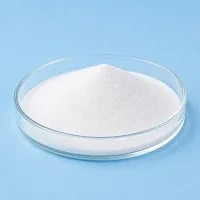
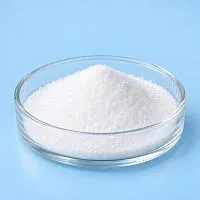
Vitamin raw materials in this section come in several physical forms, each suited to a different stage of formulation work. Powder grades such as Vitamin A Powder 10 g and Vitamin B3 Powder 10 g dissolve into water phases or premixes and are easier to weigh precisely for small test batches. Liquid concentrates, including Vitamin A oil soluble liquid 10 ml, Vitamin E Oil 10 ml, and Vitamin F 10 ml, are oil soluble and blend directly into the fatty phase of a cream or balm without extra dispersion steps.
Water soluble liquids like Vitamin B5 10 ml and Vitamin B6 liquid 10 ml integrate easily into toners, serums, and lightweight lotions. D-Panthenol 30 ml and its larger counterpart, D-Panthenol 100 ml, differ mainly in batch size, letting a workshop scale from a trial formula to a full production run without switching suppliers.
Matching an ingredient to a formula
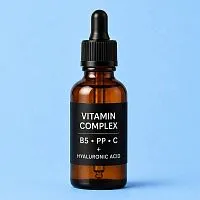
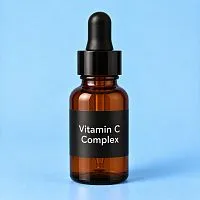
Choosing between these grades starts with the target phase of the emulsion. Oil soluble forms fit anhydrous balms, oil blends, and the lipid phase of creams, while water soluble forms suit gels, mists, and serums where a lighter, non greasy finish matters. Vitamin C 10 g is commonly paired with other antioxidant nutrients to support a more stable finished blend, and formulators often reference a ready mix such as the Antioxidant vitamin serum for skin hydration 15 ml as a working example of how several actives can sit together in one formula.
These nutrients rarely work alone. Many recipes combine two or three vitamin grades with plant based additives from the Face Masks, Scrubs, and Dried Flowers section, or with tools and containers sourced from Molds, Packaging, Tools once a formula is ready to move from bench testing to finished product packaging. Compatibility testing on a small scale remains the safest way to confirm that a chosen combination holds up before a larger batch is mixed.
Origin and storage notes
Ingredients in this section are sourced from a mix of countries, including Germany, the United States, Ukraine, France, Poland, Switzerland, Japan, and Spain, giving formulators a choice between different production standards and grade specifications depending on the project. Because vitamin actives are sensitive to heat, light, and oxygen, most grades keep their properties best when stored in a cool, dark place with containers kept tightly closed between uses. Smaller retail sizes, such as the 10 g and 10 ml formats listed here, also help reduce the amount of product exposed to air once a container is opened, which supports more consistent results across repeated small batches.
FAQ
What forms of vitamin C are available for skincare formulations
Vitamin C is supplied in several forms, including ascorbic acid powder, sodium ascorbyl phosphate, ascorbyl palmitate, and stabilized derivatives designed for water or oil phases. Each form differs in solubility and stability, so formulators choose based on the base recipe, target pH, and desired shelf life of the finished product.
How should active vitamin ingredients be stored before use
Most vitamin actives are sensitive to light, heat, and air exposure, which can accelerate oxidation and reduce potency. Store containers tightly sealed in a cool, dark place, and avoid repeated opening in humid conditions. Some grades benefit from refrigeration once a container is opened for extended use.
Can vitamin actives be combined with botanical extracts in one formula
Yes, many vitamin forms pair well with botanical extracts and plant-based additives, as long as pH compatibility is checked first. Combining a stable vitamin C derivative with antioxidant-rich plant extracts is a common approach in serums and lotions aimed at supporting skin appearance and texture.
What is the difference between vitamin E and vitamin A grades sold here
Vitamin E grades are typically used as antioxidants and stabilizers within an emulsion, helping protect oils from degradation. Vitamin A compounds are chosen for their role in supporting skin texture in targeted formulas. Both come in oil-soluble forms suited to creams, serums, and body care bases.
How do I decide which vitamin form fits my production batch size
Start with a small test batch to check solubility, color, scent, and stability of the chosen vitamin grade in your base before scaling. Factors like final pH, processing temperature, and packaging type all affect performance, so testing at a small scale first helps avoid costly issues in a full production run.
Recommendations
When selecting a vitamin active for your recipe, match the grade to your base formula first: water-soluble forms suit serums and lotions, while oil-soluble derivatives work better in creams and balms. Check solubility, expected pH range, and light sensitivity before committing to a full batch, and always run a small test first. For guidance on choosing a grade suited to your production volume or formula type, reach out by email, our team can help match a specific vitamin form to your recipe needs.