Getting Soft Neon and Pastel Effects with White Fluorescent Pigment
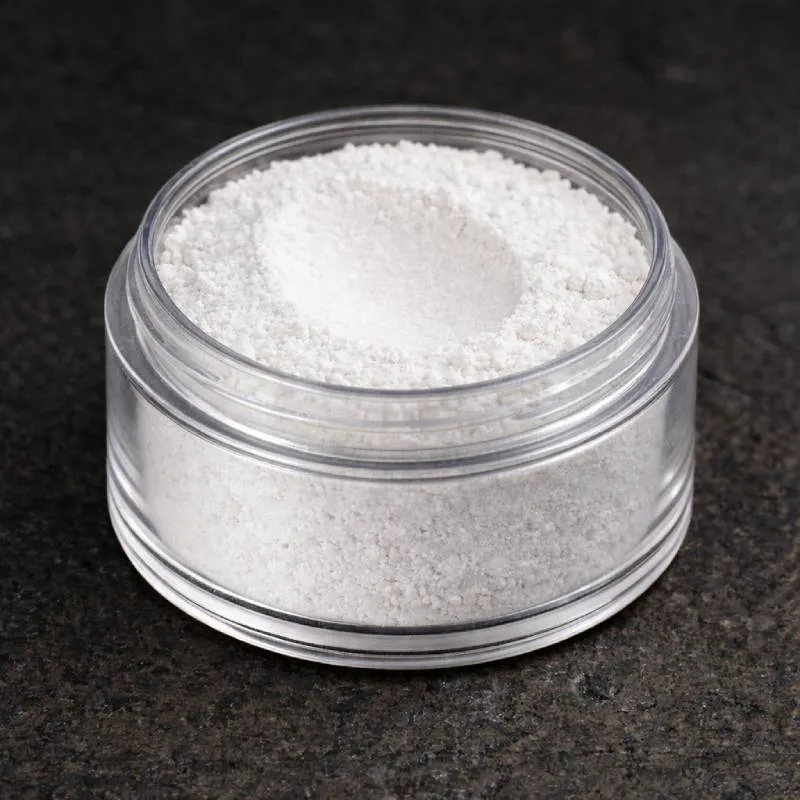
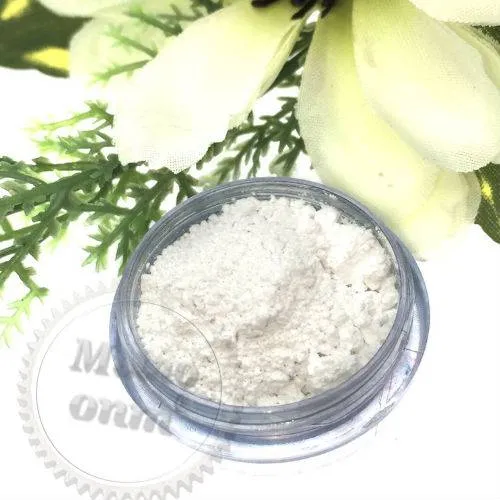
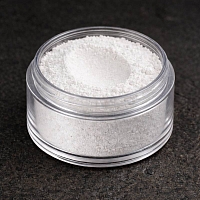
This white fluorescent pigment in a 50 g package belongs to the Fluorescent Pigments category, which brings together dry colorants known for their bright glow under ultraviolet light and strong visual intensity in daylight. A 50 g package suits small studio and workshop-scale production well, giving artists, resin makers and small manufacturing lines enough material to run several test batches before scaling a formula up to larger volumes.
Globally, the strongest demand for fluorescent pigments comes from industries far beyond cosmetics. Manufacturers of plastic and PVC products rely on fluorescent additives for signal-colored toys, sporting goods, packaging elements and promotional items. Another major market is epoxy resin work: artists and craftsmen producing jewelry, resin lighting, decorative panels and river tables under UV light use the white shade as a base for milky, semi-translucent and pastel pours. In printing and outdoor advertising, fluorescent pigments are used for eye-catching elements on banners, stickers and packaging. Fishing lure manufacturers and producers of high-visibility safety gear form additional segments of steady demand.
Within decorative cosmetics, white fluorescent pigment is mainly used as a lightening component that softens and pastelizes brighter fluorescent shades when blended together, and it also finds use in bath bombs, body shimmers and decorative gel candles.
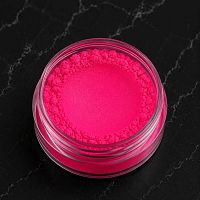
Because of its neutral tone, white pigment blends smoothly with colored fluorescent components and gives full control over the final shade intensity. Mixing a small amount of white with Fluorescent Pigment Pink 5 g produces a soft pastel magenta, while combining it with the liquid Pink Fluorescent Pigment 10 ml works well for evenly tinting liquid bases, gels and lacquers. Paired with Fluorescent pigment Orange, 5 g, it creates warm peach gradients popular in decorative pours and craft projects.
Recommended dosage ranges from 0.5 to 5 percent of the base weight depending on the desired intensity and material type: epoxy resin usually needs about 1-3 grams per 100 grams of mixed resin, while cosmetic bases work well with 1-2 grams per 100 grams. The pigment should be introduced while the base is still liquid and has not begun to set: into melted wax at around 60-70 degrees Celsius, into resin immediately after mixing the components, or into cosmetic emulsions during the cooling stage at 40-45 degrees to avoid damaging the structure. Pre-dispersing the pigment in a small amount of carrier oil or glycerin before adding it helps prevent clumping.
Store the pigment in a dry place away from direct sunlight, in a tightly closed container, keeping it away from moisture, since dampness can cause particles to clump and reduce the glow intensity. Under proper storage conditions the pigment keeps its properties for a long time.
UV Glow Bath Bomb with Soft White Shimmer
Baking soda 100 g
Citric acid 50 g
Cornstarch 25 g
Carrier oil 20 ml
White fluorescent pigment 1 g
Water-based binder spray as needed
Combine
the dry powders in a large bowl and mix thoroughly to break up any lumps. Warm
the carrier oil slightly and stir the white fluorescent pigment into it until
fully dispersed, then pour this mixture into the dry blend, working quickly
with your hands to distribute the color evenly. Lightly mist the mixture with
the binder spray until it holds together when pressed, then pack it firmly into
a mold and let it dry at room temperature for at least 24 hours before
carefully unmolding.
Frequently asked questions
How to add neon white pigment to resin without clumping?
Incorporate the powder slowly into the liquid resin while stirring. Begin with a small amount and fine-tune on a test batch. The pigment works well for jewelry and decorative panels.
What is the shelf life of White Fluorescent Pigment 50 g?
Keep the pack in a dry place away from sunlight. It remains usable until 12.2041. This mineral component maintains its properties under proper storage.
Who benefits from the 50 gram pack of white fluorescent pigment?
The 50 gram size suits studios and small-scale production. It provides enough for several resin or plastic items while allowing formula testing before larger runs.
Are certificates available for this fluorescent pigment?
COA is supplied on request. It verifies the mineral nature and coloring behavior of the pigment in compatible bases.