The Fatty Alcohol That Gives Creams Their Rich, Stable Texture
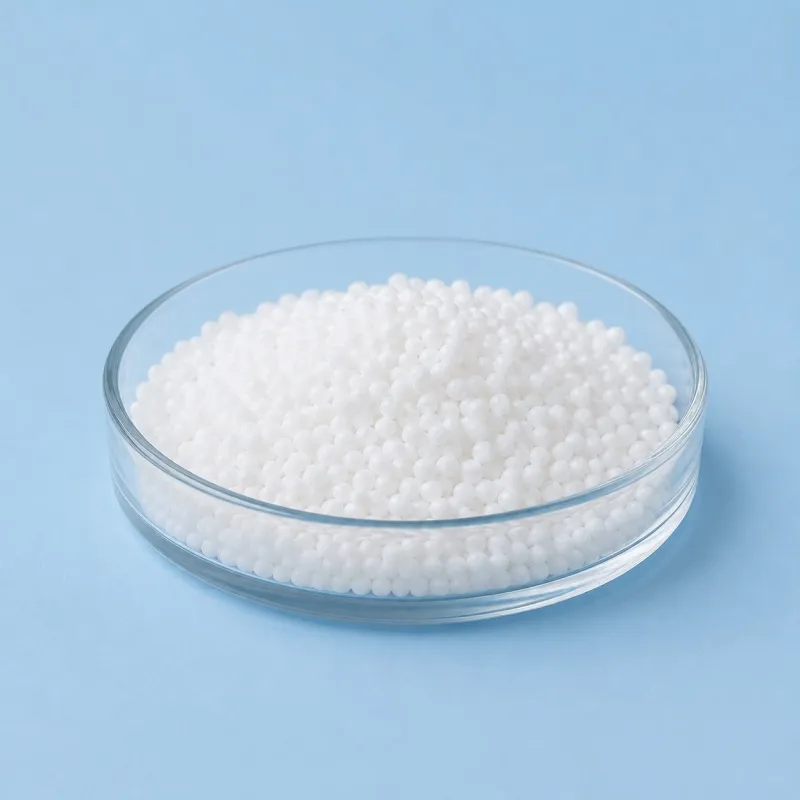
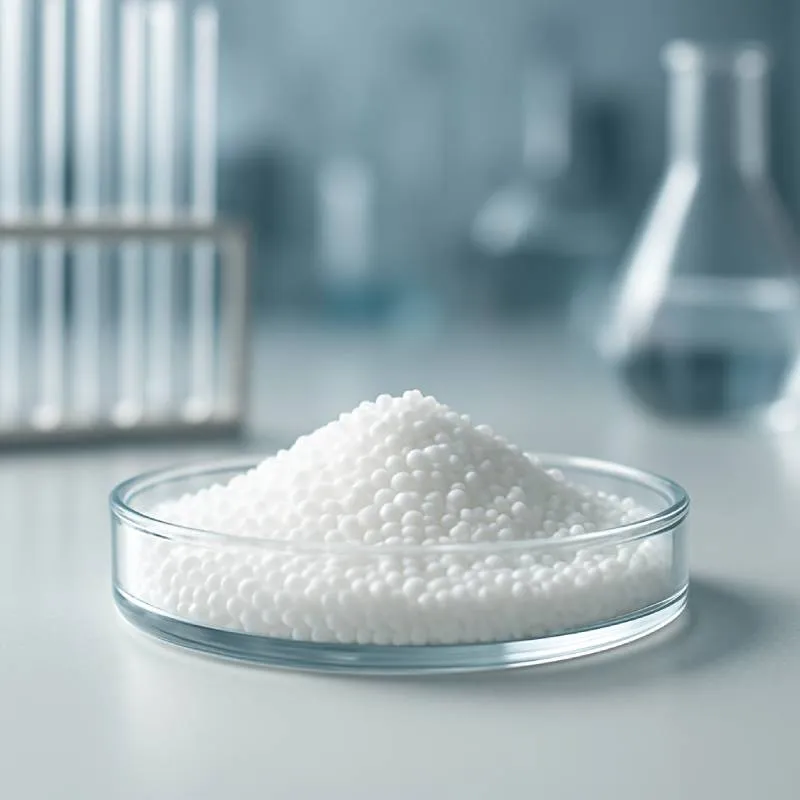
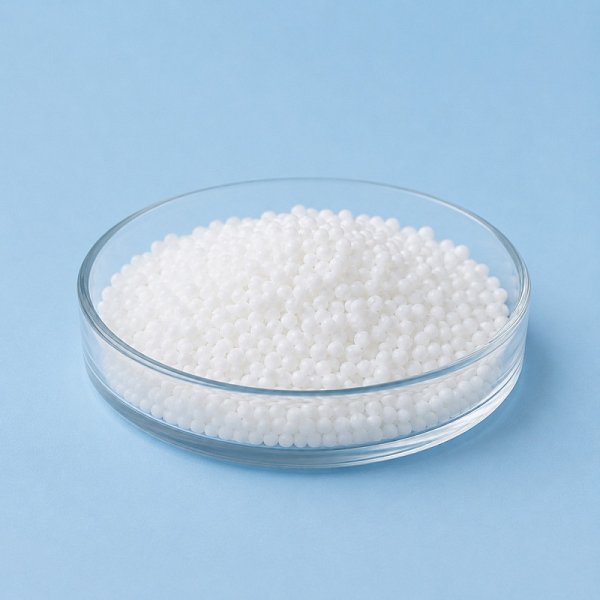
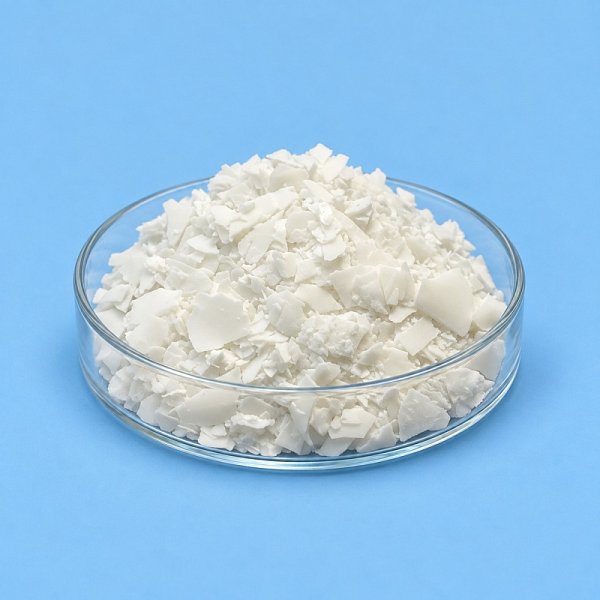
Cetyl alcohol is a solid fatty alcohol of plant origin widely used as a thickener, emulsion stabilizer, and texture-building ingredient across the cosmetic, pharmaceutical, and chemical industries. This raw material belongs to the broad category of Acids, Salts, Alcohols, and Alkalis, where fundamental substances used in recipes for very different production lines are gathered, from household chemistry to food additives. Despite its name, cetyl alcohol has nothing in common with ethyl or isopropyl alcohol: it is not volatile, does not sting the skin, and carries no alcoholic smell, instead acting as a gentle thickener and co-emulsifier.
The main application of cetyl alcohol is in the manufacturing of creams, lotions, lip balms, hair conditioners, and hair masks. It gives emulsions a dense, creamy consistency, stabilizes the oil-water system, prevents phase separation during storage, and leaves a soft, velvety feel on the skin without a greasy film. In the hair care industry, cetyl alcohol is essential for conditioner production, softening the hair fiber, easing detangling, and providing the right body and thickness. Beyond cosmetics, this substance is used in pharmaceutical manufacturing as a base for ointments and suppositories, as well as in lubricant production and certain types of candles where a firm yet workable structure is required.
Cetyl alcohol should be introduced during the oil phase preparation, at a temperature of around 65 to 75 degrees Celsius, together with oils and other fatty ingredients, until they are fully melted and combined. The typical dosage ranges from 2 to 8 percent of the total product mass, depending on the desired thickness and emulsion type. Excessive concentration can make the final cream too heavy and stiff, so it is important to balance it against liquid oils and the water phase.
Cetyl alcohol pairs well with other fatty acids and structure-forming ingredients. In complex cream and balm formulations, it is often combined with lauric acid, which enhances the cleansing and foaming characteristics of a formula. To adjust the acidity of a finished emulsion and stabilize certain preservatives, formulators sometimes add a small amount of tartaric acid at the final stage, once the main mass has cooled. In products requiring an additional moisture-binding texturizing agent, such as masks or powder blends, maltodextrin can serve as a helpful supporting thickener.
The 1 kg package size is designed for small cosmetic labs, studio-scale production, and formulators working with small to medium batches. This quantity is enough for dozens of full cream or conditioner batches, making it convenient for testing new formulations before scaling up. Cetyl alcohol should be stored in a cool, dry place away from direct sunlight, in a tightly sealed container, to prevent oxidation and preserve its structural properties over time.
Nourishing Hand and Foot Cream
Cetyl alcohol 40 g
Cocoa butter 45 g
Sweet almond oil 60 g
Distilled water 160 g
Plant-based emulsifier 18 g
Glycerin 12 g
Essential oil of geranium 5 ml
Melt
the cetyl alcohol together with cocoa butter, almond oil, and the emulsifier in
a water bath until fully combined at around 70 degrees Celsius. Separately,
warm the water with glycerin to the same temperature and slowly pour the water
phase into the oil phase, whisking continuously until a smooth, creamy mass
forms. Remove from the heat and keep stirring until the mixture cools to room
temperature, then add the geranium essential oil and pour the finished cream
into jars.