International B2B specifications for OLIFEEL OW in the Emulsifiers Wholesale section
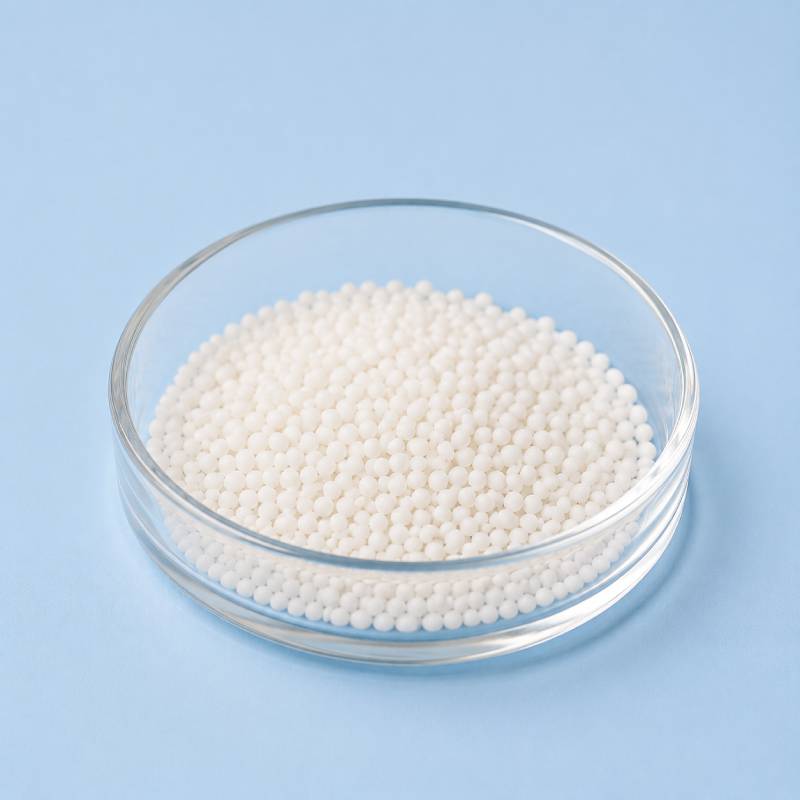
OLIFEEL OW arrives from Germany as granules featuring a weak barely noticeable odor together with the INCI declaration Triolein, Glyceryl Dioleate, Polyglyceryl-3 Cetyl Ether and a melting temperature of 65-70 °C while remaining low in water solubility. In the Emulsifiers Wholesale section formulators and manufacturers worldwide locate this olive-derived raw material that meets green certification standards without hydrogenation and supports consistent batch performance across international production sites.
Sourcing and packaging options for global buyers
Transport packaging of 1 kg allows laboratories and factories to test or scale production runs without excess inventory. Bulk packaging choices help maintain uniformity when ordering repeat shipments for ongoing cosmetic manufacturing projects.
Usage rate and phase integration guidance
Input percentages typically range from 3 to 6 percent depending on the target emulsion thickness and stability requirements. The ingredient is introduced into the oil phase which is heated together with the water phase to 70 °C before mechanical mixing for several minutes. After cooling other temperature-sensitive materials may be added to complete the formula.
Compatibility with cosmetic actives and filters
OLIFEEL OW pairs effectively with oils of varying polarity, UV filters, thickeners and diverse actives, frequently allowing lower antioxidant additions while preserving emulsion integrity. Auto-emulsifying behavior begins around 5 percent concentration, which reduces the need for additional co-emulsifiers and simplifies scale-up for sunscreens, body lotions, mascaras, BB creams and foundations destined for worldwide markets.
Practical formulation example for manufacturers
A body milk formula might employ 4 percent OLIFEEL OW in the combined heated phases to produce a light stable emulsion that absorbs readily and leaves a luminous skin feel once cool and finished with preservative and fragrance. The same approach applies to post-sun lotions or tinted foundations where pigment dispersion benefits from the emulsifier’s structure-building properties.
Storage and shelf life considerations
Product remains stable until 11.2028 when kept in a cool dark location inside tightly sealed containers. Regular quality checks of granule appearance and odor help confirm integrity throughout long manufacturing cycles and international shipping periods.
Formulators may also review new arrivals for complementary ingredients.
Global supply chain integration and quality checks
OLIFEEL OW supports repeatable results for large-scale production because its natural origin aligns with certification expectations common among European and Asian buyers. Handling procedures emphasize clean transfer from the 1 kg transport containers into production vessels while monitoring for any deviation in melting behavior or odor that might affect final product texture.
Texture development scenarios across product types
In BB creams or foundations the emulsifier aids even pigment distribution at 5 percent loading, delivering comfortable application and luminous finish. Body milks and post-sun lotions achieve lightweight quick-absorbing textures with reduced additional stabilizers. Manufacturers value the option to operate without co-emulsifiers, which lowers total ingredient count and eases regulatory documentation for export batches. You may also check the in-stock product: Ammonium chloride, 25kg for related formulation needs.
FAQ
What is the usage rate?
Typically 3-6% adjusted to desired emulsion thickness.
Which phase receives the ingredient?
Incorporate into the oil phase prior to heating to 70 °C.
How should it be stored?
In cool dark conditions inside sealed packaging until November 2028.
Is it suitable for makeup products?
Yes, it performs well in mascaras, BB creams and foundations.