Product Description
Sourcing glycolic extract from Germany
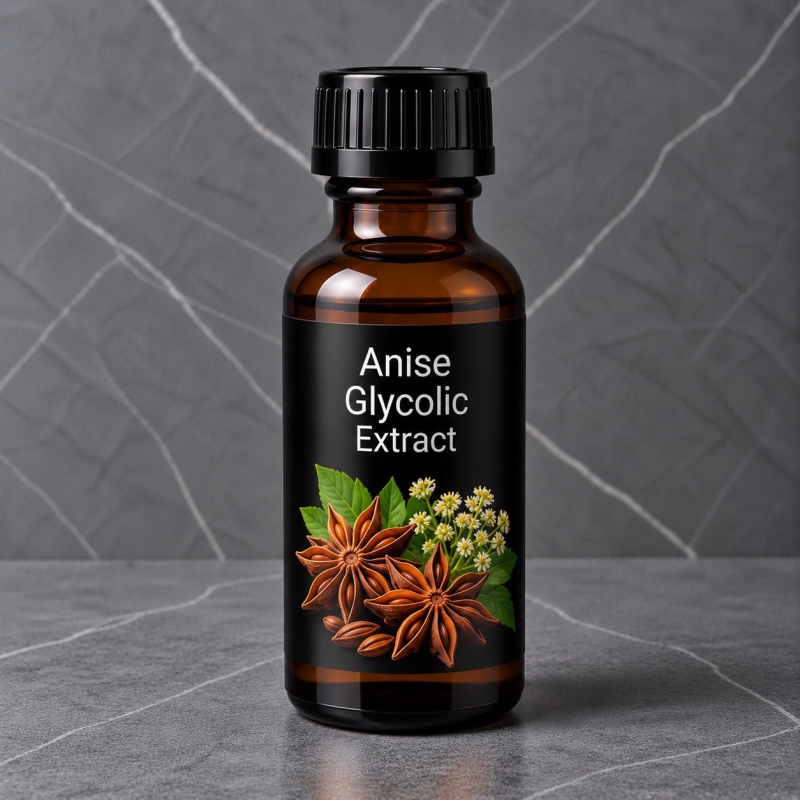
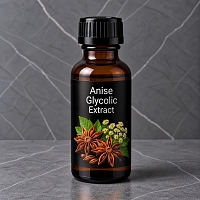
Anise glycolic extract is produced in Germany from fruits of Pimpinella anisum using glycolic extraction. The 1 L pack meets specifications for B2B buyers in supplement and cosmetic industries. Glycolic Extracts Wholesale offers consistent quality for formulation scale-up.
Technical specifications and solubility
INCI name Anisa glycolic extract defines a liquid that disperses readily in water, alcohol and propylene glycol. Recommended input level is 0,05-5 %. The material is added to cooling emulsions under gentle stirring. Shelf life extends to December 2028 when stored in a cool dark place in tightly closed containers. Buyers appreciate the predictable behavior across different pH ranges and base types.
Role in dietary supplement and food manufacturing
International factories purchase this extract as botanical raw material for dietary supplements and functional food products. It is incorporated into drink blends, confectionery fillings and dry mixes within permitted limits. Wholesale volumes support continuous production runs for both private formulators and large plants.
Aloe Glycolic Extract 1 L is frequently paired with anise extract in multi-ingredient supplement formulas for balanced botanical profiles.
Formulation example for a scalp serum
Aqueous phase 80 %, glycerin 8 %, panthenol 2 %, anise glycolic extract 3 %, preservative as recommended. Heat water phase to 70 °C, cool to 35 °C, add extract and preservative, then fill into 50 ml dropper bottles. This example highlights ease of incorporation at low temperatures.
Stability and handling recommendations
Product remains stable when protected from light and temperatures above 25 °C. An elbow test is advised before first use in finished goods. Sun protection is recommended after application of formulas containing glycolic extracts. Extracts Wholesale provides access to bulk options for ongoing manufacturing needs.
Frequently asked questions
What is the maximum recommended concentration?
Up to 5 % is permitted, subject to compatibility testing within the full formula.
Can the extract be used in hot-fill processes?
No, addition must occur after cooling to preserve volatile components.
Is it suitable for dry supplement blends?
Yes, provided subsequent granulation or encapsulation steps are applied.