Why grape flavoring remains a staple in beverage and confectionery production
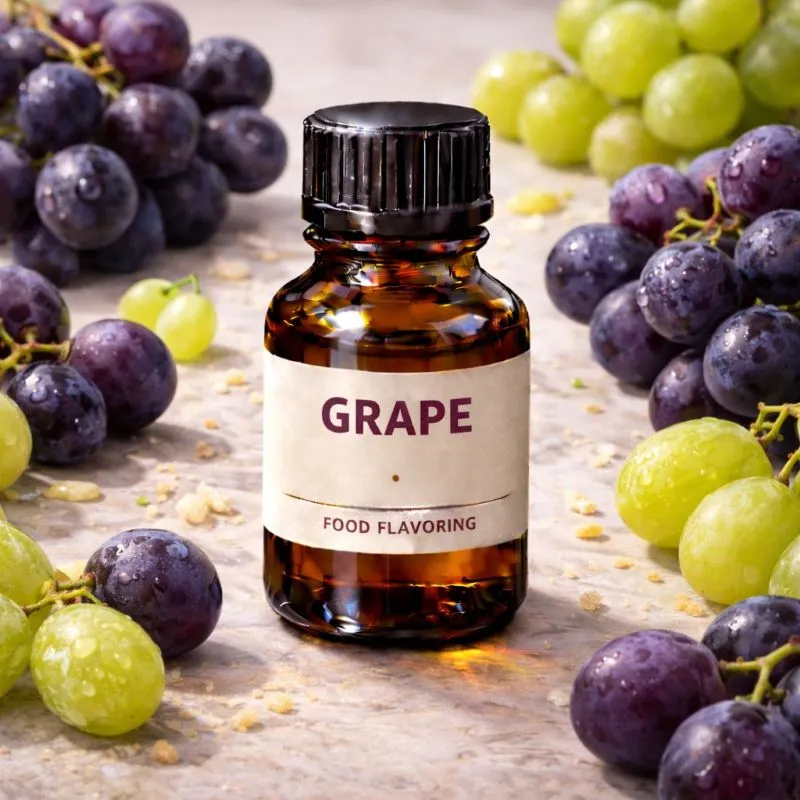
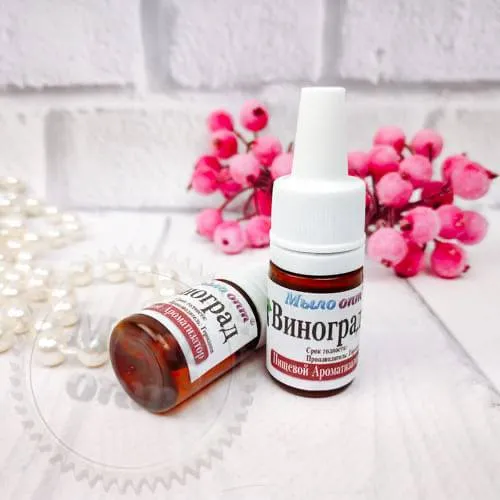
Grape flavor concentrate delivers a rich, familiar sweetness that reflects real fruit character without relying on fresh grapes, which spoil quickly and require careful processing. The compact 5 ml size makes it convenient for home cooks and small workshops testing new recipes or preparing sample batches before scaling up. This flavoring belongs to the Flavorings and flavor additives category, which brings together concentrates for adding authentic fruit and berry profiles to a wide range of products.
The primary demand for grape flavor comes from the confectionery and beverage sectors worldwide. It appears in gummies, jellies, marshmallows, hard candy, chewing gum, as well as in syrups, lemonades, fruit compotes, and mocktails prepared at home. In baking, the flavor works well in pie fillings, creams, and glazes. Ice cream and dairy desserts featuring grape notes maintain steady popularity among small confectionery studios and family-run producers making custom batches for local markets.
Beyond food applications, grape flavoring is also used in household chemistry as a scent component for dish soaps, fruity gels, and liquid soaps, as well as in candle making and scented sachets with gourmand character. This crossover between industries makes the product a versatile ingredient for small businesses working across several product lines simultaneously.
Dosage typically ranges between 0.1 and 1 percent of the total mixture weight, though the exact amount depends on the product type and desired intensity. It is advisable to start with a small quantity and gradually increase it while tasting and adjusting the result. The flavoring should be added during the final stage of preparation, once the mixture has cooled to around 40-60 degrees Celsius, to prevent the loss of volatile aromatic compounds through heat exposure. For cold preparations such as yogurts or chilled drinks, the flavoring is best added right before serving or bottling.
Grape flavor blends well with other fruit and berry notes, creating layered and complex profiles. A pleasant combination emerges when paired with Food Flavor Tropical Fruits for an exotic twist, or with the refreshing Mojito Food Flavor for summer drinks with a minty edge. Another interesting duo forms with Raspberry Lime Food Flavoring, where the tartness balances the natural sweetness of grape.
Store the flavoring in a tightly sealed container, away from direct sunlight and heat sources, in a cool dark place. Under proper storage conditions, the aroma remains stable and intense throughout its stated shelf life. Once opened, it is best to use the contents within a reasonable timeframe, minimizing air exposure with each use.
Sparkling grape soda syrup
Filtered water 500 ml
Sugar 400 g
Citric acid 4 g
Food Grape Flavor 2 ml
Purple food coloring 1 ml
Heat
the water in a saucepan and dissolve the sugar and citric acid completely while
stirring over low heat. Remove from heat and let the syrup cool to room
temperature before adding the flavoring and coloring, stirring thoroughly to
combine. Transfer the syrup to a sealed bottle and refrigerate; mix a small
portion with sparkling water at serving time to create a refreshing grape soda.