-
 Absolutes
-
 Active Complexes
-
 Actives & Peptides
-
 Amino Acids & Proteins
-
 Food Flavors
-
 Ayurvedic Ingredients & Herbs
-
 Vitamins & Coenzymes
-
 Chocolate Making Supplies
-
 Thickeners & Gelling Agents
-
 Hydrosols & Floral Waters
-
 Hydrolyzed Proteins
-
 Fragrance Ingredients
-
 Nutraceutical Ingredients
-
 Acids, Salts, Alcohols & Alkalis
-
 Preservatives & Antioxidants
-
 Cosmetic Ingredients
-
 Colorants, Micas & Glitters
-
 Masks, Scrubs & Botanicals
-
 Oils & Butters
-
 Candle Making Supplies
-
 Melt and Pour Soap Bases
-
 Cream, Lotion & Hair Care Bases
-
 Fragrance Oils & Industrial Aromatics
-
 Cleansing Agents & Surfactants
-
 Peeling Actives & Acids
-
 Cosmetic Powders
-
 Solvents & Humectants
-
 Silicones & Conditioning Agents
-
 Bottles, Jars & Vials
-
 Silicone & Plastic Molds, Tools
-
 Botanical Extracts
-
 Cosmetic Emollients
-
 Emulsifiers
-
 Essential Oils


Mica Powders

 Add to cart


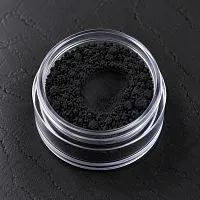
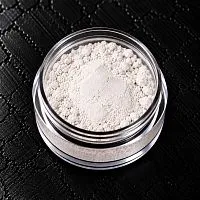
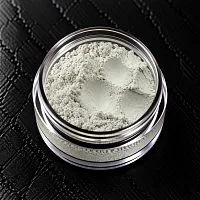


Pearlescent pigments for creams lotions and color cosmetics
Mica powders are finely milled mineral pigments valued for their natural shimmer and soft light reflective quality. This section brings together a broad palette of shades and particle sizes suited to coloring and finishing a wide range of cosmetic and decorative formulas, from sheer pastel tones to deep saturated colors with strong pearl effect.
Formulators use mica across many product types: body and face creams, lotions, color cosmetics, bath products, lip and eye formulas, and various decorative compositions. Because mica disperses well in both oil and emulsion bases, it suits everything from small batch workshops to larger production lines. For a stronger metallic finish rather than a soft pearl sheen, a metallic mica powder is often the better match, while sparkle particles from the glitters range can be combined with mica for layered visual texture in decorative formulas.
Shade families and finish types
Within this range, shades fall into a few practical groups. Cool tones such as Arctic silver mica and silver gray mica give a frosty, almost metallic glow, while a piece like Antique silver mica leans toward a softer, slightly muted pearl finish rather than a bright shine.
Warm and jewel tones extend the palette further. Options such as Bright gold mica, Golden jade mica and Aboriginal amber mica sit closer to amber and honey undertones, useful where a formula calls for depth without going fully metallic. Cooler saturated shades like Fuchsia mica, Bordeaux mica and Sky blue mica work for bolder color cosmetics and decorative accents, and green based options such as Gold luster green mica and Majestic green mica combine a colored base with a pearl sheen for layered visual effects.
Choosing a shade and building a formula
The main criteria when selecting mica are particle size and finish intensity. Finer particles blend into a soft, even sheen suited to skin facing products like creams and lotions, while coarser or more saturated grades read as a stronger sparkle, better suited to decorative pieces or accent zones in color cosmetics.
Undertone matters as much as color. A base cream or emulsion with a warm tint pairs naturally with gold or amber shades, while a cooler base suits silver or blue leaning micas. Mica is generally dispersed directly into oils, gels or emulsion phases, and small test batches are the simplest way to confirm how a given shade behaves once fully incorporated into a formula.
Mica also combines well with other coloring materials rather than working in isolation. Blending it with a liquid option from the Liquid Metallic Pearl line can add fluid, high shine streaks to a formula, giving formulators a way to layer a matte or semi matte mica base with a wet look accent in the same product.
Origin and storage
Mica used in this range is sourced from suppliers based in Germany, France, China and the United States, giving formulators a choice between different mineral origins depending on the batch and shade required. As with most powder pigments, mica should be kept in a dry, tightly sealed container away from direct sunlight and moisture, which helps preserve both its color consistency and its light reflective quality over time.
FAQ
What is mica powder used for in cosmetics
Mica powder is used to add shimmer, pearl effect, and soft color to creams, lotions, color cosmetics, lip and eye formulas, and various decorative compositions. Its reflective quality comes from thin mineral platelets that scatter light, giving finished products a smooth pearlescent or metallic look depending on shade and particle size.
What particle size of mica should i choose for a smooth finish
Finer particle sizes generally give a softer, more diffused shimmer suited to skin facing formulas like lotions and creams, while coarser grades produce a more visible sparkle better suited to decorative or color cosmetic applications. Testing a small batch in your actual base helps confirm how a given grade performs before committing to a larger order.
Does mica powder dissolve or disperse in cosmetic bases
Mica powder does not dissolve, it disperses as fine solid particles throughout oil phases and emulsion bases. Good dispersion depends on proper mixing and sometimes a small amount of oil or dispersing agent to keep the pigment evenly suspended and prevent clumping or settling in the finished formula.
Can different mica shades be mixed together
Yes, mica shades can be blended to create custom tones and layered visual effects, since the pigments are compatible with one another in most oil and emulsion bases. Combining a cooler and warmer shade, or a soft pearl tone with a stronger metallic mica, is a common way to build a more complex finish.
How should mica powder be stored to keep its color quality
Mica powder should be kept in a tightly sealed container away from direct light, moisture, and heat, which can affect how the pigment disperses over time. Stored this way, mica retains its shimmer and shade consistency well across multiple production batches.
Recommendations
When choosing a mica shade, start with the finish you need: softer pastel tones work well in creams and lotions, while deeper saturated colors suit color cosmetics and decorative formulas with a stronger pearl effect. Consider particle size alongside shade, since it shapes how visible the shimmer reads in the final product, and think about whether a metallic mica or added glitter would complement the effect. If you are unsure which grade fits your formula, request a small sample before ordering a larger volume. Our team is reachable by email to help match a shade and particle size to your production needs.


