-
 Absolutes
-
 Active Complexes
-
 Actives & Peptides
-
 Amino Acids & Proteins
-
 Food Flavors
-
 Ayurvedic Ingredients & Herbs
-
 Vitamins & Coenzymes
-
 Chocolate Making Supplies
-
 Thickeners & Gelling Agents
-
 Hydrosols & Floral Waters
-
 Hydrolyzed Proteins
-
 Fragrance Ingredients
-
 Nutraceutical Ingredients
-
 Acids, Salts, Alcohols & Alkalis
-
 Preservatives & Antioxidants
-
 Cosmetic Ingredients
-
 Colorants, Micas & Glitters
-
 Masks, Scrubs & Botanicals
-
 Oils & Butters
-
 Candle Making Supplies
-
 Melt and Pour Soap Bases
-
 Cream, Lotion & Hair Care Bases
-
 Fragrance Oils & Industrial Aromatics
-
 Cleansing Agents & Surfactants
-
 Peeling Actives & Acids
-
 Cosmetic Powders
-
 Solvents & Humectants
-
 Silicones & Conditioning Agents
-
 Bottles, Jars & Vials
-
 Silicone & Plastic Molds, Tools
-
 Botanical Extracts
-
 Cosmetic Emollients
-
 Emulsifiers
-
 Essential Oils
Flavorings and flavor additives

 Add to cart






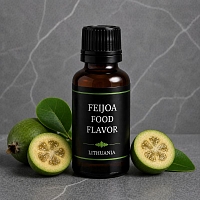
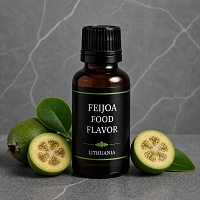


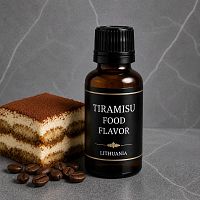


Taste and aroma components for creative formulations
This section covers flavor concentrates and taste additives used to give finished formulations a distinct, recognizable character. The range includes fruit, dessert, beverage, and gourmand type profiles supplied as concentrated liquids or blends, dosed in small amounts to shape how a product smells and, where relevant, tastes on the lips or skin.
These additives are common in lip care formulas, balms, glosses, and other leave-on products where flavor perception matters alongside texture and finish. Formulators also use them in small-batch trial blends before scaling a recipe, adjusting intensity drop by drop until the profile feels balanced against the base oils and waxes already in the mix.
Buyers who need larger volume options for production runs often pair this range with the Food Flavor Concentrates Wholesale section, while those working on air freshening or car care lines may find the Auto Flavor Barrel format useful for a different kind of scent delivery entirely.
Profiles and how they differ
Within this range, fruit profiles such as Cherry Food Flavor 5 ml, Strawberry Food Flavor 5 ml, Apple Food Flavor, 5 ml, and Food Grape Flavor, 5 ml read as bright, sharp top notes that lift a formula quickly, while a tart addition like Food Flavor Mandarin, 5 ml tends to sit closer to the surface of a blend rather than deep in the base.
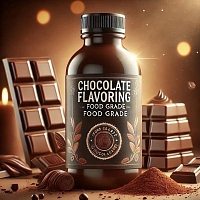
Dessert and gourmand types shift the character entirely. Food Flavoring Chocolate, 5 ml and Food Flavor Caramel, 5 ml build warmth and roundness, working well as a base note under a sharper fruit accent rather than as the only component in a blend. A more unusual botanical option, Food Flavor Tarhun, 5 ml, gives a green, herbal edge that stands apart from both the fruit and dessert groups, useful when a formulator wants something less conventional. A blend such as Food Flavoring Wild Berries, 5 ml sits between single-note fruit types and more complex accords, since it already carries several berry facets in one concentrate.
Choosing a profile and building a blend
Selection usually starts with the finished texture rather than the scent alone. A concentrate meant to carry through a wax-heavy balm needs more strength than one going into a lighter, water-based gloss, so dosage testing on the actual base is more reliable than judging the raw concentrate from the bottle. Cognac Food Flavor 5 ml and Vanilla Food Flavor, 5 ml are both often used as a rounding base note, softening sharper fruit or citrus tones without overpowering them.
Because these are concentrates rather than finished blends, they work across a wide range of leave-on and rinse-off formulations, not only lip products. The same drop-by-drop approach applies whether the base is an oil balm, an emulsion, or a gel, and pairing two or three profiles from different families, one fruit, one dessert, one green or herbal, tends to give more depth than relying on a single note alone.
Origin, format, and storage
Products in this category come from a mix of origins, including Germany, Ukraine, Lithuania, Australia, Poland, China, and Turkey, and are supplied as small concentrated volumes such as 5 ml bottles for controlled dosing in trial batches. Keeping bottles tightly closed, away from direct light and heat, helps preserve the intended profile over time, since concentrates can drift in character if exposed to warm storage conditions for extended periods.
Buyers scaling beyond small trial batches typically move to the Vape flavor range for a related but distinct format built around inhalation rather than skin contact, which is a useful point of comparison when deciding which concentrate family actually fits a given production line.
FAQ
What is the difference between flavor concentrates and fragrance oils in cosmetic formulations
Flavor concentrates are formulated to influence taste as well as scent, which matters for lip products applied near the mouth. Fragrance oils are designed for aroma alone and are not intended for taste. Choosing the right type depends on whether the finished product will contact lips or simply need a pleasant smell.
How much flavor concentrate should be added to a lip balm or gloss base
Most formulators start with a small trial dose, often a few drops per batch, and increase gradually until the profile balances against the oils and waxes already present. Exact ratios vary by base composition and desired intensity, so small test batches before scaling are recommended.
Can these flavor concentrates be combined with each other to create custom profiles
Yes, many fruit, dessert, and gourmand profiles blend well together to build layered or more complex flavor notes. Combining concentrates in small test batches lets a formulator fine tune the balance before committing to a full production run.
How should flavor concentrates be stored to preserve their profile
Keep concentrates tightly sealed, away from direct light and heat, since both can shift the intensity and character of the profile over time. A cool, stable storage area helps maintain consistency between batches made weeks or months apart.
Are these concentrates suitable for both small batch and larger production runs
Yes, the same concentrated profiles work for hand poured trial batches and larger production runs alike, though buyers scaling up often look at bulk formats for better volume planning. Dosing principles stay consistent regardless of batch size.
Recommendations
When picking a flavor concentrate, start from the finished texture you already have, a beeswax based balm reads a profile differently than a lighter oil blend, so test in small increments before locking in a ratio. Compare a few related profiles side by side rather than committing to one, since fruit and dessert notes often behave differently once mixed with waxes, butters, or other actives already in the formula. If you are moving from a trial blend toward a full production run, plan the volume you will need in advance so dosing stays consistent batch to batch. Our team is available by email to help match a profile to your base formulation and confirm availability before you place an order.



