-
 Absolutes
-
 Active Complexes
-
 Actives & Peptides
-
 Amino Acids & Proteins
-
 Food Flavors
-
 Ayurvedic Ingredients & Herbs
-
 Vitamins & Coenzymes
-
 Chocolate Making Supplies
-
 Thickeners & Gelling Agents
-
 Hydrosols & Floral Waters
-
 Hydrolyzed Proteins
-
 Fragrance Ingredients
-
 Nutraceutical Ingredients
-
 Acids, Salts, Alcohols & Alkalis
-
 Preservatives & Antioxidants
-
 Cosmetic Ingredients
-
 Colorants, Micas & Glitters
-
 Masks, Scrubs & Botanicals
-
 Oils & Butters
-
 Candle Making Supplies
-
 Melt and Pour Soap Bases
-
 Cream, Lotion & Hair Care Bases
-
 Fragrance Oils & Industrial Aromatics
-
 Cleansing Agents & Surfactants
-
 Peeling Actives & Acids
-
 Cosmetic Powders
-
 Solvents & Humectants
-
 Silicones & Conditioning Agents
-
 Bottles, Jars & Vials
-
 Silicone & Plastic Molds, Tools
-
 Botanical Extracts
-
 Cosmetic Emollients
-
 Emulsifiers
-
 Essential Oils
- Anti-Aging & Fine Lines 645
- Hair & Scalp Treatments 420
- Body Contouring & Slimming Actives 95
- Mineral Skincare 60
- Vegan Cosmetic Actives 205
- Hyaluronic Acid (HA) 56
- Skin Lightening & Depigmentation Actives 160
- Skin Barrier & Repair Actives 439
- Lifting Systems 124
- Myorelaxants 48
- Body Shaping Actives 84
- Peptides for Cosmetics 294
- Polynucleotides (PDRN) 97
- Anti Inflammatory And Anti Acne Actives 231
- Moisturizing Actives 512
- Skin Firmness and Tone Actives 329
- Actives For Eye Contour Care 160
- Actives for Sensitive Skin 246
- Exosomes 61
- Cosmetic Actives Wholesale 2834
- Peptides Wholesale 549


Mineral Actives
 Add to cart



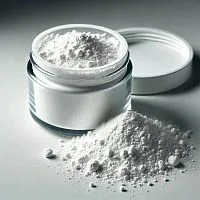
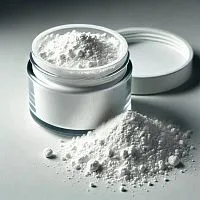
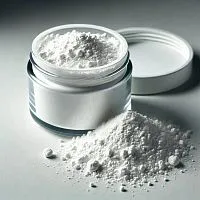
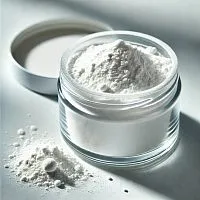

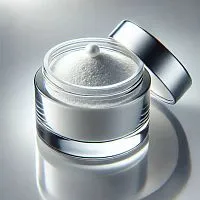
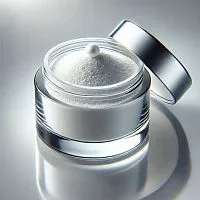
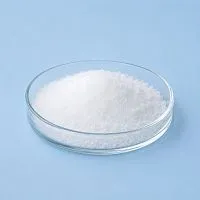


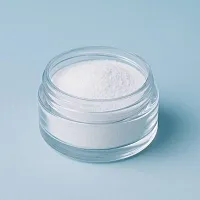


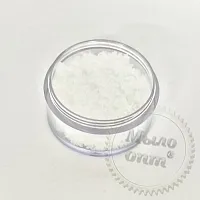

Trace elements and mineral complexes for skin care formulas
This section covers mineral-based active ingredients supplied as fine powders, micronized particles, or concentrated mineral complexes for use in cosmetic formulations. The range includes materials such as zinc, silica, magnesium, and other mineral compounds selected for their function within a finished emulsion, mask, or powder base rather than for a single application. Formulators use these actives to adjust texture, add mattifying properties, support pigment dispersion, or contribute specific mineral content to a recipe.
Mineral actives behave differently depending on particle size and purity, which is why manufacturers choose them for distinct roles: some improve slip and spreadability in creams and lotions, others are selected for their opacity and light-reflecting behavior in powders and color cosmetics. The same base mineral can end up in a facial serum, a pressed powder, or a scalp treatment depending on how it is processed and combined with other ingredients.
Because these are raw materials rather than finished products, they are commonly paired with other categories during formulation work, including cosmetic actives and peptides for cosmetics, allowing manufacturers to combine mineral function with targeted skin-conditioning or anti-aging performance in a single batch.
Types of mineral actives and how they differ
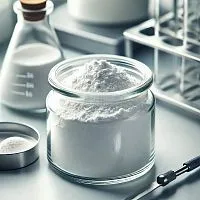
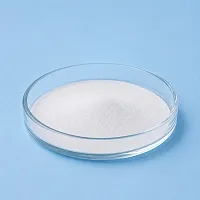
Not all mineral powders behave the same way once blended into a base. Pharmaceutical grade zinc oxide is prized for its coverage and mild astringent character, making it a common choice in barrier creams and pressed powder blends where opacity matters. Boron nitride, sold in both a 10 g pack and a larger 100 g format, brings a soft optical effect and silky slip that formulators reach for in primers, highlighters, and finishing powders rather than for coverage itself.
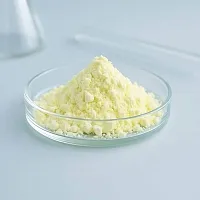
Magnesium stearate works on a different level entirely, acting as a lubricant and anti-caking agent that keeps pressed powders from crumbling and helps pigments disperse evenly through a compact. Precipitated sulfur and magnesium glycinate sit at the more targeted end of the range, chosen for specific mineral content and compatibility with sensitive-skin formulas rather than for texture or optics.
Choosing the right mineral and pairing it in a formula
Selecting a mineral active usually starts with the finished product in mind. A cream or serum calls for materials that disperse smoothly without grit, while a pressed powder or eyeshadow base depends more on particle shape and light behavior than on skin-conditioning properties. Purity and micronization level also affect how a mineral reads on skin, from matte and weightless to visibly reflective.
Mineral actives rarely work alone in a recipe. Many formulators combine them with mineral-complex solutions such as SEPITONIC M3, which contributes trace mineral content alongside conditioning benefits in serums and lotions. Pairing a mineral powder with ingredients from peptides wholesale lines is another common route, letting a single batch combine mattifying or mineral function with targeted skin-conditioning performance.
Origin, storage, and sourcing
Materials in this range come from a mix of established suppliers, including the Netherlands, Germany, the United States, France, Japan, Peru, Spain, and Switzerland, depending on the specific mineral and its grade. Fine powders and micronized actives should be kept sealed, away from moisture and direct sunlight, since humidity can cause caking and affect how a powder disperses later in a batch.
Because particle size and purity vary between suppliers, it is worth checking the intended use, whether that is a cream base, a pressed powder, or a color cosmetic, before settling on a specific grade for a new formulation.
FAQ
What is the difference between micronized and standard mineral powders in cosmetic formulas
Particle size determines behavior in the finished product. Micronized grades disperse more smoothly and reduce a chalky look in creams and powders, while standard grades work well where more texture, grip, or opacity is needed, such as in pressed formulas or masks.
Can these mineral actives be combined with pigments and other powders in one formula
Yes, mineral actives are frequently blended with pigments, fillers, and other powders to balance texture, opacity, and slip. Compatibility depends on particle size and the oil or water phase of the recipe, so small test batches are recommended before scaling a formula.
How should mineral powders be stored before use
Keep containers tightly sealed in a dry, cool area away from direct sunlight and moisture. Fine mineral powders can absorb humidity from the air, which affects flow and dispersion, so resealing packaging quickly after each use helps maintain consistency.
What cosmetic products typically use these mineral ingredients
These minerals appear across many formats, including facial emulsions, mattifying lotions, pressed and loose powders, masks, and scalp treatments. The same mineral can serve different roles depending on concentration, particle size, and the other ingredients it is paired with.
Recommendations
When choosing a mineral active or complex for a specific formula, start with the particle size and purity grade rather than the mineral name alone, since these details determine how it behaves in your base. Request a small sample batch first to check dispersion and texture before committing to a larger order. Our team is available by email to help match a grade to your production needs and confirm current stock for your order.


