Why dried St. John's wort blossoms remain a staple in botanical skincare formulation
Dried St. John's wort flowers are a versatile botanical raw material widely used across skincare formulation, herbal wellness products, and decorative applications in cosmetic manufacturing. This dried flower belongs to the category of Natural dried flowers, which brings together plant materials suited for infusions, decoctions, and macerates favored by home crafters and small-batch producers alike. The 10 gram packaging is particularly convenient for trial batches and testing new formulations before committing to larger quantities of raw material.
St. John's wort has long been valued for its flavonoid content, tannins, and essential oil compounds that lend finished cosmetic preparations a refreshing, toning quality. Across global practice, the dried blossoms are most commonly used to prepare oil macerates, water infusions, and herbal decoctions that are later incorporated into creams, lotions, and toners formulated for blemish-prone skin. Beyond skincare, this dried flower also finds application in herbal tea blends, aromatic sachets, bath products, and decorative elements within natural product presentation, including occasional use in soap crafting.
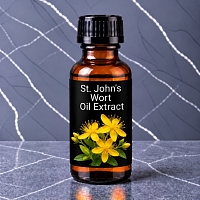
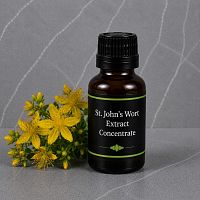
To prepare an oil macerate, the flowers are combined with a carrier oil at roughly a one to ten ratio and left to infuse in a warm, dark location for two to four weeks, with occasional gentle shaking of the container. A water infusion is simpler to prepare: a tablespoon of the dried flowers is steeped in hot water, just below boiling, for fifteen to twenty minutes before straining. These extracts pair well with other botanicals from the same category, such as dried hyssop flowers, which enhance the toning effect in formulations for problem skin, and dried lavender flowers, which lend finished products a soft, calming fragrance note.
In skincare recipes, St. John's wort is frequently paired with roots and botanical extracts known for their soothing and emollient properties, including spotted orchis root, valued for its mucilage content beneficial in formulations for dry and sensitive skin. Store dried St. John's wort in an airtight container away from direct sunlight and moisture at room temperature to preserve the activity of its valuable compounds over time. When introducing St. John's wort extracts into finished emulsions, the recommended phase temperature should generally not exceed 40 to 45 degrees Celsius to avoid degrading heat-sensitive compounds.
Beyond cosmetic use, dried St. John's wort flowers are also popular in the food industry as a component of herbal tea blends, as well as in the production of natural fragrance sachets for home textiles. The small packaging size makes this raw material an accessible option for formulators, hobbyists, and small producers wanting to test the ingredient before purchasing larger volumes.
Herbal facial steam blend
Dried St. John's wort flowers 5 g
Dried chamomile flowers 5 g
Hot water 500 ml
A few drops of sweet almond oil 3 ml
Combine the dried flowers in a heatproof bowl and pour over the hot water, allowing the steam to rise for a few minutes before use. Lean over the bowl with a towel draped over the head to trap the steam, keeping a safe distance from the water, and remain for eight to ten minutes to open pores and soften the skin. Follow with a few drops of sweet almond oil massaged gently into the face to lock in moisture.