-
 Absolutes
-
 Active Complexes
-
 Actives & Peptides
-
 Amino Acids & Proteins
-
 Food Flavors
-
 Ayurvedic Ingredients & Herbs
-
 Vitamins & Coenzymes
-
 Chocolate Making Supplies
-
 Thickeners & Gelling Agents
-
 Hydrosols & Floral Waters
-
 Hydrolyzed Proteins
-
 Fragrance Ingredients
-
 Nutraceutical Ingredients
-
 Acids, Salts, Alcohols & Alkalis
-
 Preservatives & Antioxidants
-
 Cosmetic Ingredients
-
 Colorants, Micas & Glitters
-
 Masks, Scrubs & Botanicals
-
 Oils & Butters
-
 Candle Making Supplies
-
 Melt and Pour Soap Bases
-
 Cream, Lotion & Hair Care Bases
-
 Fragrance Oils & Industrial Aromatics
-
 Cleansing Agents & Surfactants
-
 Peeling Actives & Acids
-
 Cosmetic Powders
-
 Solvents & Humectants
-
 Silicones & Conditioning Agents
-
 Bottles, Jars & Vials
-
 Silicone & Plastic Molds, Tools
-
 Botanical Extracts
-
 Cosmetic Emollients
-
 Emulsifiers
-
 Essential Oils
Dry Food Colorants
 Add to cart
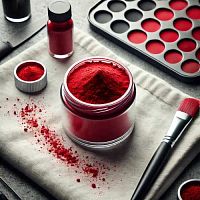
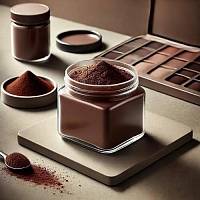


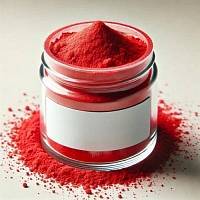
Powdered pigments for soap, bath and craft color effects
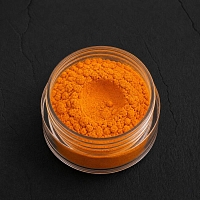
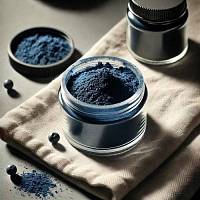
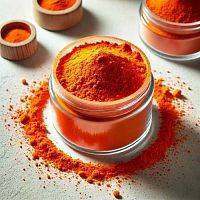
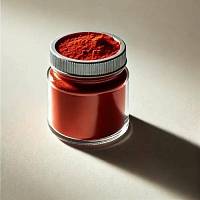
Dry food colorants are finely milled powder pigments used to tint cosmetic and craft bases without adding moisture or oil to the formula. They come as concentrated color powders that disperse into melted bases, batters, and emulsions, giving formulators control over shade intensity from a pale wash to a deep saturated tone using just a small amount of product.
Because these powders stay inert until mixed into a carrier, they suit a wide range of finished items: bath bombs and fizzing bath products, cold process and melt and pour bases, scented wax and candle blends, resin art, and decorative coatings on solid cosmetic bars. Formulators often pair a dry pigment with a liquid water soluble dye for layered or marbled effects, or blend it into an oil phase alongside an oil soluble liquid dye to deepen a base tone before adding highlights.
Since the powder form has no solvent or water content, it will not thin a base or cause seizing in a melted mixture, which makes it a practical choice when a stable shade is needed without adjusting the recipe.
Shade range and how the powders differ
The dry powder line covers a full spectrum, from Yellow Color Powder 5 g and Orange Color Powder 5 g through to deeper tones such as Red Color Powder 5 g, Raspberry Color Powder 5 g and Brown Color Powder 5 g. Green tones, represented by Green Color Powder 5 g, sit between the warm and cool ends of the range and work well for layered or gradient effects. A separate item, Tartrazine Color Powder 5 g, is a synthetic yellow pigment valued for its strong tinting power even at a very low dosage.
The main difference between shades is not just hue but tinting strength. Some powders reach a visible tone with a pinch, while others need a slightly heavier hand to build the same intensity, so testing a small batch before scaling a formula is worth the extra step.
Choosing a shade and pairing it in a formula
Selection usually starts with the base itself: an opaque melt and pour block will show a color differently than a clear or translucent one, and a wax or resin pour behaves differently again once it sets. Dosage is best built up gradually, since these are concentrated pigments and a small increase in quantity can shift a pastel tone into a saturated one quickly.
For layered or marbled visual effects, many formulators combine a dry pigment with a Pigment Liquid ULTRA Dyes for streaks of stronger color within a lighter base, or blend two powders such as red and yellow to build a custom orange rather than relying on a single premixed shade. Because the powder itself carries no water or oil, it will not disturb the emulsion balance of a cream or lotion base, which makes it easier to keep a formula stable while adjusting only the visual outcome.
Origin and storage
The powders in this range are sourced from India. Kept in a dry, tightly sealed container away from direct light and moisture, the pigment stays free flowing and keeps its full tinting strength over repeated use, since any dampness in storage tends to cause clumping and uneven dispersion once the powder is mixed into a base.
FAQ
What is the difference between dry powder pigments and liquid dyes for cosmetic bases?
Dry powder pigments are concentrated color particles with no water or oil content, so they do not thin a formula or affect its texture. Liquid dyes carry a solvent base and blend faster into thin mixtures, but can slightly alter consistency when used in large amounts within a batch.
How much powder pigment should be used to color a batch?
Start with a small pinch per pound of base and build up gradually, since these powders are highly concentrated. Mixing a tiny amount into a bit of oil or glycerin first helps distribute color evenly before adding it to the main batch, preventing streaks or specks.
Can dry pigments be mixed together to create custom shades?
Yes, powders from the same line blend well with one another to build custom tones, from soft pastels to deep saturated colors. Testing a small batch first is recommended, since dry pigments can shift slightly once combined with oils, water, or heat.
How should powder pigments be stored to keep their color quality?
Keep pigments in their sealed original container, away from direct sunlight, moisture, and heat sources. A cool, dry storage spot prevents clumping and preserves shade strength, allowing the powder to be used reliably across multiple projects over time.
Recommendations
Choosing the right shade often comes down to testing a small sample batch first, since pigment intensity can shift depending on the base, temperature, and mixing method used. Consider whether a project calls for a single bold tone or a set of complementary powders for layering and blending. For bulk orders, custom shade sets, or questions about a specific batch, reach out to our team by email and we will help match the right pigments to your production needs.



