Product Description
Sourcing and specifications
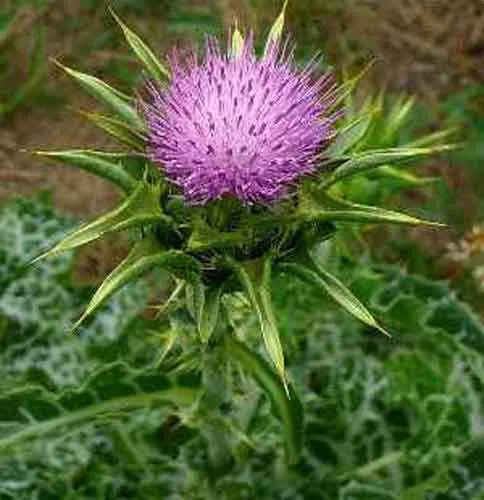
Milk Thistle CO2 Extract comes from fruits of Silybum marianum (l.) Gaertn grown in Ukraine. The oily mass contains silymarin, flavonoids, fatty acids, vitamin E and phytosterols. International labs source it for consistent performance in large batches. CO2 Extracts Wholesale section lists options for bulk buyers. Fruits are harvested from regions with suitable soil conditions that support high compound content.
Technical parameters for formulation
The extract is fat-soluble and added to the oil phase at 0.1-2 percent. It integrates well with other botanical lipids and maintains stability across temperature ranges used in cosmetic and supplement production. Fatty acids contribute to smooth texture while phytosterols help preserve emulsion integrity over time.
Applications across industries
Cosmetic labs incorporate it into serums, masks and body products. Supplement and food manufacturers purchase it as a botanical raw material for dietary supplements, functional beverages and confectionery. Milk Thistle CO2 Extract 1 kg suits both small and industrial scales. Worldwide shipments support factories needing reliable lipid sources for drinks and functional foods. Extracts Wholesale covers flexible volumes for diverse clients.
Sample hair care blend
Combine 85 percent carrier oil, 8 percent emulsifier, 4 percent Milk Thistle CO2 Extract, 2 percent fragrance and 1 percent preservative. Add the extract below 40 degrees Celsius. The blend provides a smooth texture suitable for scalp treatments. Optional addition of 0.5 percent vitamin E further supports formula longevity.
Storage guidelines
Keep in closed packaging in a cool, light-protected place. Shelf life reaches at least two years under recommended conditions. Regular inspection avoids oxidation of sensitive components.
Production advantages
Manufacturers appreciate neutral organoleptic properties that blend seamlessly with various bases. This allows creation of products without altering color or scent profiles.
Frequently asked questions
What is the INCI name?
The INCI is Silybum marianum (l.) Gaertn.
Is it suitable for food industry use?
Yes, it serves as raw material for dietary supplements and confectionery products globally.
At what temperature should it be added?
Add below 40 degrees Celsius after the emulsion cools.
How does it affect emulsion stability?
It supports even distribution and maintains consistency when dosed correctly.