-
 Absolutes
-
 Active Complexes
-
 Actives & Peptides
-
 Amino Acids & Proteins
-
 Food Flavors
-
 Ayurvedic Ingredients & Herbs
-
 Vitamins & Coenzymes
-
 Chocolate Making Supplies
-
 Thickeners & Gelling Agents
-
 Hydrosols & Floral Waters
-
 Hydrolyzed Proteins
-
 Fragrance Ingredients
-
 Nutraceutical Ingredients
-
 Acids, Salts, Alcohols & Alkalis
-
 Preservatives & Antioxidants
-
 Cosmetic Ingredients
-
 Colorants, Micas & Glitters
-
 Masks, Scrubs & Botanicals
-
 Oils & Butters
-
 Candle Making Supplies
-
 Melt and Pour Soap Bases
-
 Cream, Lotion & Hair Care Bases
-
 Fragrance Oils & Industrial Aromatics
-
 Cleansing Agents & Surfactants
-
 Peeling Actives & Acids
-
 Cosmetic Powders
-
 Solvents & Humectants
-
 Silicones & Conditioning Agents
-
 Bottles, Jars & Vials
-
 Silicone & Plastic Molds, Tools
-
 Botanical Extracts
-
 Cosmetic Emollients
-
 Emulsifiers
-
 Essential Oils
- Absolutes 55
- Active Complexes 265
- Actives & Peptides 4839
- Amino Acids & Proteins 71
- Food Flavors 2097
- Ayurvedic Ingredients & Herbs 220
- Vitamins & Coenzymes 108
- Chocolate Making Supplies 109
- Thickeners & Gelling Agents 101
- Hydrosols & Floral Waters 139
- Hydrolyzed Proteins 87
- Fragrance Ingredients 44
- Nutraceutical Ingredients 797
- Acids, Salts, Alcohols & Alkalis 112
- Preservatives & Antioxidants 132
- Cosmetic Ingredients 8491
- Colorants, Micas & Glitters 1423
- Masks, Scrubs & Botanicals 1259
- Oils & Butters 1711
- Candle Making Supplies 542
- Melt and Pour Soap Bases 341
- Cream, Lotion & Hair Care Bases 89
- Fragrance Oils & Industrial Aromatics 6527
- Cleansing Agents & Surfactants 140
- Peeling Actives & Acids 57
- Cosmetic Powders 325
- Solvents & Humectants 37
- Silicones & Conditioning Agents 91
- Bottles, Jars & Vials 3927
- Silicone & Plastic Molds, Tools 6076
- Botanical Extracts 3614
- Cosmetic Emollients 108
- Emulsifiers 304
- Essential Oils 606


Essential Oils

 Add to cart


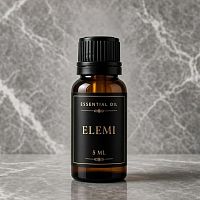

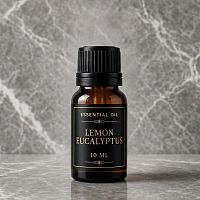

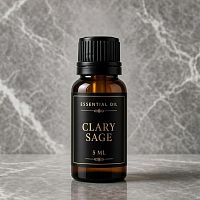


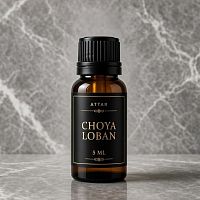


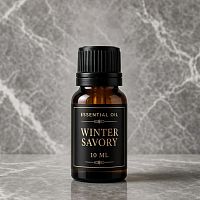


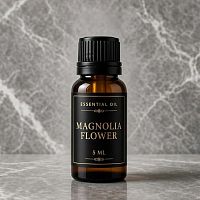


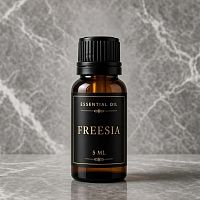
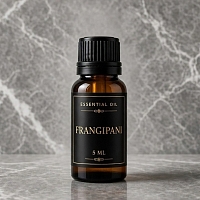


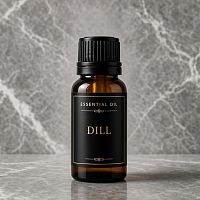
Aromatic and functional plant oils for formulators
This section brings together concentrated aromatic extracts obtained from plants through distillation or cold pressing, sold as raw material for cosmetic manufacturing. Formulators use them to build fragrance profiles, add functional plant compounds to a base, or round out the sensory character of a finished product. The range covers dozens of botanical origins, each with a distinct scent family and chemical composition suited to different formulation goals.
In practice, these oils appear in creams, serums, body oils, shampoos, and other leave-on or rinse-off formulations, where a few drops shape the final scent and can support the sensory experience of the base. They are often paired with carrier oils, emulsifiers, and other active ingredients rather than used alone. For a project focused on visual finish rather than scent, dyes, pearlescents, and glitters or dried botanical inclusions from face masks, scrubs, and dried flowers frequently complement the same formulation.
Because concentration and extraction method vary widely between plant families, choosing the right oil means matching its aromatic strength and chemical profile to the intended product type, rather than treating all essential oils as interchangeable.
Citrus, floral, and woody families compared
Citrus extracts such as Orange Essential Oil, Sweet Orange Essential Oil, Mandarin Essential Oil, and Lemon Essential Oil are light, fast-evaporating, and read as bright top notes in a formula. Peppermint Essential Oil and Litsea Cubeba Essential Oil sit close to that same fresh register but carry a sharper, more herbaceous edge.
Floral extracts behave differently in a base. Rose Essential Oil, Rose Damask Essential Oil, and Ylang Ylang Essential Oil release more slowly and dominate the heart of a scent long after the citrus top notes fade, which is why formulators often lean on them to anchor a longer-lasting profile. Neroli Essential Oil sits between the two groups, floral but with a citrus-blossom brightness that bridges top and heart notes. Woody and nutty extracts such as Cedar Essential Oil, Bitter Almond Essential Oil, and Coconut Essential Oil add depth and a rounder base note, while Lavender Essential Oil works across several tiers depending on how it is dosed.
Matching an oil to a formulation goal
Selection usually starts with the role the oil needs to play rather than the plant itself. A formula built around a quick, clean scent burst calls for a citrus extract dosed at a low percentage, while a cream or body oil meant to hold its character for hours benefits from a floral or woody note used as a smaller accent alongside the citrus top layer. Skin feel matters too, since some extracts are chosen for a cooling or tingling sensory effect rather than scent alone, which is the case with peppermint-derived material.
These extracts rarely stand alone in a recipe. They are blended into carrier oils, emulsified systems, or surfactant bases at controlled percentages, and often paired with colorants or texture elements from the Molds, Packaging, Tools range when a project also needs a visual or physical finishing touch. For manufacturers building layered scent profiles rather than relying on a single note, the synthetic and compound options in Fragrance Oils offer a complementary route alongside these plant-derived extracts.
Origin and storage considerations
Botanical origin varies by extract and includes France, Italy, Bulgaria, Germany, the United Kingdom, Indonesia, Mexico, and Brazil, reflecting the climate each plant needs to develop its characteristic oil content. Because composition can shift between growing regions and harvest seasons, checking the specific origin behind a given batch helps when a formula depends on a consistent scent profile.
Like most concentrated plant extracts, these oils are sensitive to light, heat, and prolonged air exposure, all of which accelerate oxidation and dull the aromatic profile over time. Keeping bottles tightly sealed, stored away from direct sunlight, and used within a reasonable window after opening preserves both scent strength and the functional plant compounds formulators are relying on.
FAQ
What is the difference between an essential oil and a fragrance oil in a formulation context
Essential oils are distilled or cold-pressed directly from plant material and carry naturally occurring aromatic compounds, while fragrance oils are compounded scent blends. Essential oils typically bring a more complex, variable profile and may contribute functional plant compounds beyond scent alone.
How much essential oil should be added to a cream or serum base
Usage rates depend on the oil family and its aromatic strength, with many falling in a low percentage range of the total formula. Formulators generally start with a small amount, evaluate scent intensity and skin feel, then adjust gradually rather than adding a fixed universal dose.
Can essential oils be used in rinse-off products like shampoo
Yes, essential oils are commonly added to shampoos and other rinse-off formulations to shape the scent profile of the finished product. Because contact time is shorter than with leave-on products, formulators often work within the supplier's guidance for the specific oil and base type.
How should essential oils be stored to preserve their aromatic profile
Essential oils are best kept in tightly closed, dark glass containers away from direct light and heat, since both accelerate oxidation and change the scent over time. Cool, stable storage conditions help maintain consistency across a formulation batch.
Do essential oils work well combined with other cosmetic ingredients
Yes, essential oils are typically blended with carrier oils, emulsifiers, and other active ingredients rather than used on their own. Pairing choices depend on the target scent family and the overall texture and function of the base formulation.
Why does the scent of the same essential oil vary between batches
Aromatic composition depends on the plant's origin, growing conditions, and harvest timing, so natural variation between batches is expected even within the same botanical source. Formulators typically sample a new batch before committing it to a full production run.
Recommendations
When choosing an essential oil for a new formulation, start with the scent family and chemical profile that fits your product concept, then check how that oil behaves in the specific base you plan to use, whether it is a cream, serum, or rinse-off format. Small-batch testing before a full production run helps confirm both the aromatic strength and how the oil interacts with carrier oils or other active ingredients already in the formula.
If you are unsure which botanical origin suits your project, our team can help match an oil to your intended scent profile and application. Reach out by email with details of your formulation goals, and we will help you select the right option from the range.



