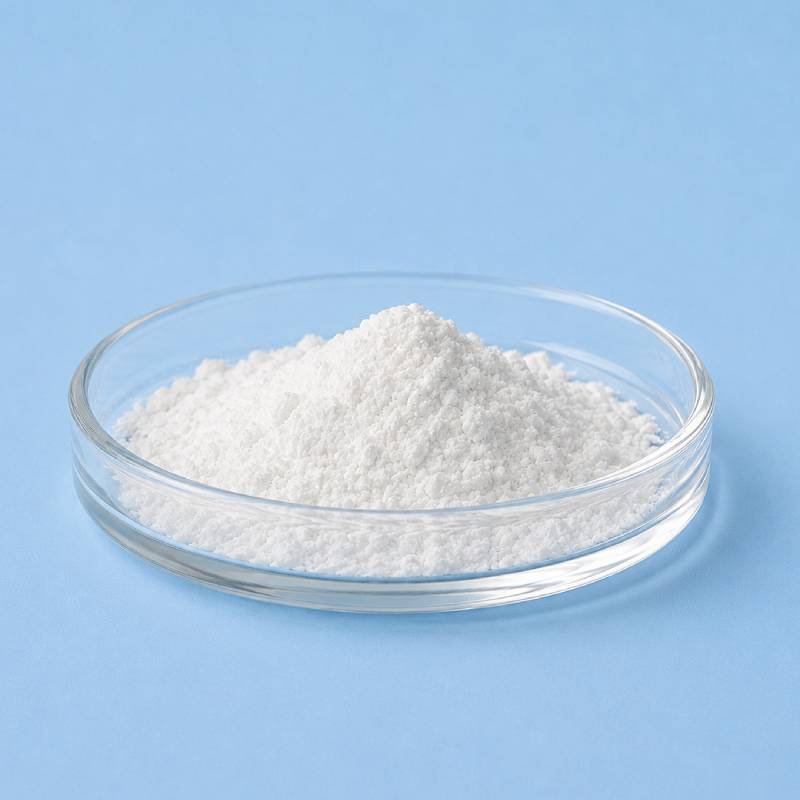
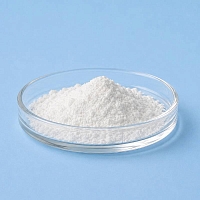
Climbazole for shampoos and targeted scalp care products
Climbazole is a functional cosmetic ingredient used in the development of specialized scalp and hair care products. It is suitable for shampoos, scalp cleansers, tonics, lotions, serums, masks, and professional hair care systems designed around effective cleansing, a fresh scalp feel, and a well-structured daily or professional care routine.
The modern hair care market increasingly treats the scalp as a separate area with its own formulation requirements. Consumers expect more than basic cleansing from a shampoo. Texture, foam quality, rinse feel, hair manageability, scalp freshness, and compatibility with a regular care routine all influence product choice. Climbazole is relevant to this category because it allows manufacturers to create focused formulations rather than general-purpose cleansing products.
In contemporary formulation development, Climbazole can be combined with mild cleansing systems, amphoteric surfactants, conditioning polymers, humectants, botanical extracts, proteins, amino acid complexes, and other compatible cosmetic ingredients. The final result depends on the balance of the entire formulation, processing conditions, and the correct incorporation of every raw material.
Purpose in cosmetic formulations
Climbazole is primarily used in products developed for scalp care and specialized hair cleansing concepts. Depending on the formulation architecture, it can be incorporated into rinse-off and leave-on formats.
In shampoo development, the ingredient can be considered for clear, creamy, and pearlescent systems. Compatibility with surfactants, viscosity modifiers, solubilizers, conditioning agents, preservatives, and fragrance compositions should be evaluated during laboratory development.
Scalp tonics and serums require a different technological approach. Lightweight products should remain homogeneous and stable throughout storage while maintaining the intended sensory profile. The selected solvent and solubilization system must be suitable for the complete formulation rather than chosen for one ingredient in isolation.
Professional cosmetics can use Climbazole in salon ranges, barbershop products, SPA concepts, and structured home care collections. A complete product line may include a cleansing shampoo, a scalp tonic, and separate conditioning products for the hair lengths.
Applications across the hair care industry
Shampoos remain the most common product format for Climbazole. Manufacturers can develop products for regular cleansing, periodic intensive routines, professional salon programs, and specialized scalp care collections.
In men’s grooming ranges, the ingredient can be incorporated into shampoos with lightweight textures, efficient cleansing profiles, and fresh fragrance directions. Such products may be positioned as part of a practical daily grooming routine.
In women’s hair care collections, Climbazole can be combined with conditioning polymers, hydrolyzed proteins, amino acid complexes, botanical extracts, and carefully balanced cleansing systems. This makes it possible to develop a scalp-focused shampoo while maintaining pleasant hair feel after rinsing and drying.
Professional salon lines may separate scalp cleansing from hair length care. The shampoo performs the primary cleansing step, while masks, conditioners, and leave-in products provide separate functions for softness, manageability, and sensory properties of the hair fiber.
Contract manufacturers can also use Climbazole when developing private-label formulations and specialized collections for different market segments.
Combining Climbazole with other cosmetic ingredients
A successful cosmetic formula depends on the interaction of all raw materials. Climbazole should therefore be considered as one part of the complete formulation system.
The cleansing phase can include anionic, amphoteric, and nonionic surfactants selected according to the required cleansing intensity, foam structure, viscosity response, and rinse characteristics. The exact combination depends on the intended product format.
Conditioning polymers can improve wet combing and reduce roughness after cleansing. Humectants such as glycerin and betaine may be added to support a more balanced sensory profile. Proteins and amino acid complexes can be used in professional hair care concepts when compatible with the complete formula.
Botanical extracts are often incorporated into scalp care products to create distinctive product concepts. Their selection should be based on technological compatibility, formulation stability, and the intended positioning of the finished cosmetic product.
Adding a large number of ingredients does not automatically improve a formulation. Each component should have a clear technological or functional role and remain compatible with the rest of the system.
How to use Climbazole in cosmetic production
The development process should begin by defining the final product format. A shampoo, scalp tonic, lotion, and serum require different formulation strategies, processing sequences, and stability control methods.
Climbazole should not simply be added directly to a finished cold shampoo base without appropriate preparation. The incorporation method should be selected according to the complete composition, the available formulation system, and the properties of the other raw materials.
Before producing a commercial batch, it is advisable to prepare a small laboratory sample. The sample should be evaluated for appearance, homogeneity, viscosity, fragrance compatibility, and physical stability.
During storage testing, formulators should monitor the product for crystallization, sediment formation, separation, and significant viscosity changes. If instability appears, the formulation system or processing method should be adjusted.
When scaling from laboratory development to industrial production, mixing speed, temperature, order of addition, vessel geometry, and processing time may affect the final result. Production parameters should therefore be documented and validated.
Example scalp cleansing shampoo formula
Purified water 570 g
Mild cleansing base 250 g
Cocamidopropyl Betaine 100 g
Glycerin 30 g
PEG-40 Hydrogenated Castor Oil 20 g
Botanical Extract 10 g
Climbazole 5 g
Conditioning Polymer 3 g
Preservative System 7 g
Fragrance Composition 3 g
Lactic Acid 2 g
Begin by preparing the aqueous phase and properly dispersing ingredients that require hydration or preliminary dissolution. Allow sufficient time for complete and uniform distribution before introducing the cleansing phase.
Add the mild cleansing base and Cocamidopropyl Betaine gradually under moderate mixing. Excessive agitation should be avoided because unnecessary foam can complicate processing and visual evaluation of the batch.
Prepare Climbazole for incorporation according to the selected formulation system and introduce it into the main batch with continuous mixing. Add the botanical extract, preservative system, fragrance composition, and final adjustment components during the appropriate processing stage.
Evaluate the finished shampoo for homogeneity, viscosity, appearance, and physical stability. This formula is a development example and should be tested with the specific commercial grades of raw materials selected for production.
Changes in surfactant suppliers, polymers, solubilizers, preservatives, or fragrance compositions can alter the behavior of the formula. A new laboratory evaluation is recommended after significant raw material substitutions.
Quality control and formulation stability
Stability testing is an essential stage in the development of products containing Climbazole. A formula that appears homogeneous immediately after production may behave differently during extended storage.
The finished product should be monitored for separation, sediment formation, crystallization, major viscosity changes, and unwanted changes in appearance or fragrance profile. Testing conditions should be selected according to the product category and the requirements of the intended market.
Accurate weighing, clean production equipment, controlled processing conditions, and documented manufacturing procedures contribute to batch consistency. These principles are especially important when moving from small laboratory batches to larger production volumes.
The manufacturer of the finished cosmetic product should also verify compliance with the applicable cosmetic regulations of each target market. Ingredient use conditions, formulation requirements, labeling, safety assessment, and supporting documentation may differ between regions.
Climbazole in modern scalp care development
Scalp care continues to develop as an important segment of the international personal care industry. Consumers are increasingly interested in targeted routines that combine cleansing products with tonics, serums, masks, and other specialized formats.
Climbazole offers formulation opportunities for manufacturers developing modern scalp care products, professional shampoos, salon collections, men’s grooming lines, and structured home care systems. It can be combined with carefully selected surfactants, conditioning agents, humectants, proteins, amino acid complexes, and botanical ingredients.
For manufacturers and formulators, the most effective approach is to treat Climbazole as part of a complete formulation strategy. Product quality depends on ingredient compatibility, accurate processing, appropriate stability testing, and a clear understanding of the final product format.
A well-designed formula connects cleansing performance, sensory characteristics, product stability, and practical use into one coherent system. This approach supports the development of specialized scalp and hair care products for professional and consumer markets.