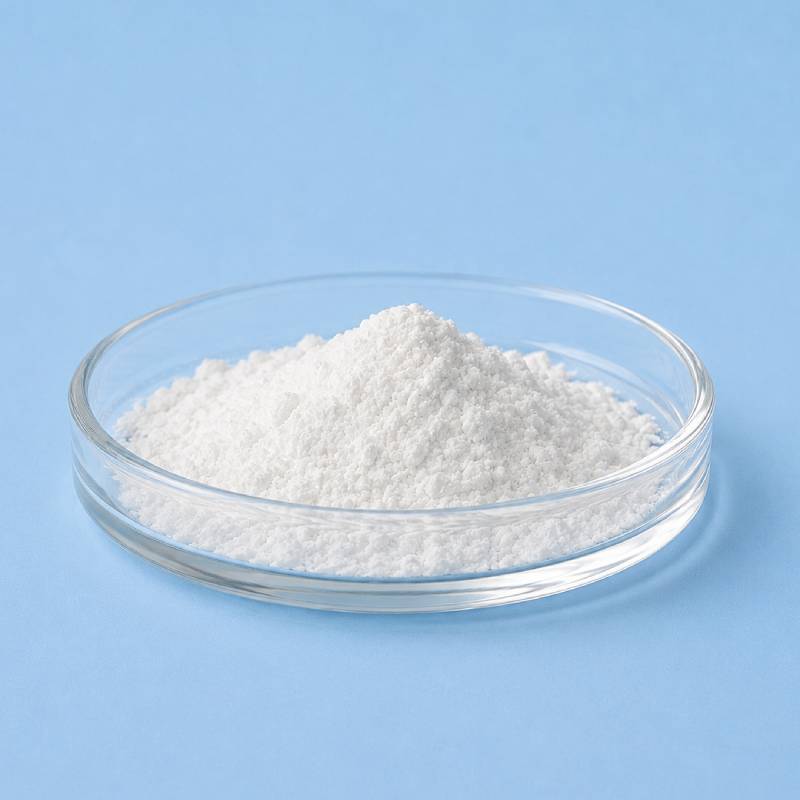
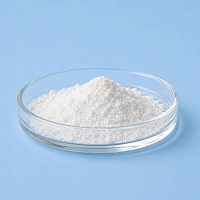
Climbazole for scalp care and advanced hair care formulations
Climbazole is a specialized functional ingredient widely used in modern scalp care and hair cleansing formulations. It is particularly relevant for manufacturers developing targeted shampoos, scalp cleansers, tonics, serums, lotions, masks, and professional hair care systems. The ingredient supports the creation of focused cosmetic concepts designed around scalp hygiene, a fresh appearance, balanced cleansing, and comfortable daily care.
The global hair care industry has moved far beyond basic cleansing. Consumers increasingly look for products created specifically for scalp needs rather than formulas focused exclusively on hair length. Oiliness, visible flaking, frequent styling product use, environmental exposure, sweating, and repeated cleansing have encouraged brands to develop dedicated scalp care categories. Climbazole fits naturally into this segment and can be incorporated into carefully designed rinse-off and leave-on cosmetic systems.
For formulators, Climbazole is not simply an ingredient added for label appeal. Its use requires thoughtful formulation work, including selection of an appropriate delivery system, compatible surfactants, suitable solvents or solubilizing components, correct processing conditions, and stability testing. When properly incorporated, it can become part of a comprehensive formulation strategy for professional and consumer hair care products.
The role of Climbazole in modern scalp care
Scalp care is now recognized as an important independent category within personal care. A shampoo formulation must address more than the removal of surface impurities from the hair fiber. The balance between cleansing performance, mildness, conditioning, sensory properties, viscosity, foam profile, and after-feel determines the overall quality of the finished product.
Climbazole is commonly considered for targeted scalp cleansing concepts where formulators want to combine an effective washing system with complementary conditioning and moisturizing ingredients. Depending on the product concept, it may be combined with anionic, amphoteric, or nonionic surfactants, humectants, conditioning polymers, botanical extracts, hydrolyzed proteins, amino acid complexes, and other compatible functional ingredients.
A well-designed formula should consider the complete user experience. A shampoo may provide rich foam and effective cleansing but still require improvements in combability, softness, rinse feel, or scalp comfort. For this reason, Climbazole is often included as one element within a broader formulation architecture rather than treated as the only functional component of the product.
Application in shampoo manufacturing
Shampoo is one of the most established product formats for Climbazole. It can be considered for clear cleansing systems, pearlescent shampoos, creamy formulas, professional salon products, and specialized scalp cleansing concepts, provided that the complete composition is technologically compatible.
In formulations intended for oily scalp care, the ingredient may be combined with lightweight humectants, carefully selected botanical extracts, and cleansing systems that rinse without leaving an excessively heavy film. For formulas developed for dry-feeling scalp, the overall composition may include a milder surfactant profile and additional conditioning or moisturizing components.
Professional shampoos can be designed with different performance profiles. Some products focus on regular cleansing, while others are developed for periodic use within a multi-step hair care program. Climbazole gives formulators the flexibility to build a targeted concept while adjusting foam, viscosity, fragrance, cleansing intensity, and conditioning properties through the rest of the formulation.
The behavior of a shampoo system should always be tested after any significant raw material substitution. Commercial surfactant blends from different suppliers may vary in active matter, electrolyte content, viscosity response, and compatibility with other ingredients. A formula that performs well with one raw material grade may require adjustment when another grade is introduced.
Scalp tonics serums and lightweight care formats
The expanding scalp care market includes much more than conventional shampoo. Lightweight tonics, lotions, scalp serums, cleansing fluids, and professional application products are becoming increasingly important formats for both salon and home use.
Climbazole can be considered when developing such specialized cosmetic systems. In liquid formulations, special attention should be given to ingredient distribution, solvent selection, clarity where required, and long-term physical stability. The finished product should remain homogeneous throughout its intended shelf life.
Scalp tonics are often designed as part of a routine rather than as standalone products. A brand may offer a cleansing shampoo, a lightweight scalp product, and a separate mask or conditioner for the hair lengths. This approach allows each formulation to perform a specific function without overloading one product with too many ingredients.
For professional brands, this creates opportunities for structured product lines suitable for salons, barbershops, SPA concepts, and specialized hair care programs.
Professional cosmetic applications
Climbazole is relevant for cosmetic laboratories, contract manufacturers, private-label brands, salon product developers, and independent formulators working with targeted scalp care concepts.
In professional product development, ingredient selection should always be connected to a clear formulation objective. The final product may be a transparent shampoo with a fresh sensory profile, a creamy cleansing formula, a lightweight scalp tonic, or part of a complete multi-step care program.
Salon ranges can separate scalp cleansing from hair conditioning. The first stage may focus on cleansing the scalp and removing accumulated impurities, while subsequent products address softness, manageability, shine, or the sensory condition of the hair lengths.
Barbershop concepts may use Climbazole in shampoos developed with lightweight textures and fresh fragrance profiles. Professional hair studios may incorporate it into broader scalp care collections supported by complementary cleansing and conditioning products.
Formulation compatibility and ingredient combinations
The performance of a finished cosmetic product depends on the interaction of all raw materials in the formulation. Climbazole should therefore be evaluated as part of the complete system.
The cleansing phase may contain combinations of different surfactant classes selected according to the required foam structure, cleansing intensity, viscosity response, and sensory characteristics. Amphoteric surfactants are frequently used to balance the properties of the primary cleansing system, while nonionic ingredients may contribute to solubilization or sensory adjustment depending on the formula.
Conditioning polymers can improve wet combing and reduce the rough feel that may occur after cleansing. Humectants such as glycerin and betaine may be included in formulas where a more balanced after-feel is desired. Hydrolyzed proteins and amino acid complexes can support the positioning of professional hair care products.
Botanical extracts can also be incorporated into specialized scalp care concepts. Their selection should be based on formulation compatibility and product positioning rather than simply increasing the number of ingredients on the label.
How to work with Climbazole in cosmetic development
The development process should begin with a clearly defined final product format. The technological approach used for a shampoo may differ considerably from the process required for a scalp tonic or lightweight serum.
A laboratory batch should be prepared before scaling the formula to commercial production. During development, formulators should evaluate ingredient distribution, homogeneity, viscosity behavior, appearance, fragrance compatibility, and physical stability.
Climbazole should not simply be added directly to a finished cold shampoo base without considering its incorporation requirements. The processing method must be selected according to the complete formulation system and the properties of the raw materials used.
After the first laboratory batch is prepared, the product should be observed for potential crystallization, sediment formation, separation, or major changes in viscosity. Stability testing under appropriate conditions is essential before moving toward commercial production.
Manufacturers should document processing order, mixing conditions, temperature ranges, equipment characteristics, and all relevant quality control parameters. This makes production more consistent and simplifies future scale-up.
Example of a targeted scalp cleansing shampoo
The following 1000 g formulation is an example of a development concept that can be adjusted according to the properties of the selected commercial raw materials.
Purified water 570 g
Mild cleansing base 250 g
Cocamidopropyl betaine 100 g
Glycerin 30 g
PEG-40 Hydrogenated Castor Oil 20 g
Botanical extract 10 g
Climbazole 5 g
Conditioning polymer 3 g
Preservative system 7 g
Fragrance composition 3 g
Lactic acid 2 g
Prepare the aqueous phase according to the processing requirements of the selected thickening or conditioning polymer. Ensure complete and uniform hydration before introducing ingredients that may interfere with polymer dispersion.
Add the cleansing system gradually with controlled mixing to minimize excessive foam formation. Prepare Climbazole for incorporation using a method appropriate for the selected formulation system, then introduce it into the main batch under continuous mixing.
Add temperature-sensitive ingredients during the appropriate cooling stage. Introduce the botanical extract, preservative system, and fragrance composition according to their individual processing requirements. Evaluate the final batch for homogeneity, viscosity, appearance, and storage stability.
This formulation is provided as a development concept. Changes in surfactant grades, solubilizers, polymers, preservatives, or other functional ingredients may alter the behavior of the system and should be followed by new laboratory testing.
Stability control and responsible manufacturing
Physical stability is an essential part of product development. A successful initial batch does not automatically guarantee long-term stability. Finished samples should be monitored for changes in appearance, viscosity, odor, homogeneity, and the possible formation of crystals or sediment.
Scale-up also requires careful evaluation. Mixing energy and ingredient distribution can change significantly when moving from a small laboratory vessel to industrial equipment. Processing time and order of addition may therefore need adjustment.
Raw material quality and batch consistency are equally important. Manufacturers should maintain accurate weighing procedures, clean production equipment, documented processing steps, and appropriate quality control records.
Regulatory requirements for cosmetic products differ between markets. The manufacturer of the finished product is responsible for verifying that the complete formulation, ingredient use conditions, labeling, and product documentation comply with the requirements of the intended sales region.
Climbazole in contemporary hair care product development
Scalp-focused cosmetics continue to expand as consumers become more selective about cleansing routines and product specialization. Shampoos are increasingly supported by tonics, serums, pre-cleansing products, professional treatments, and complete scalp care collections.
Climbazole provides formulators with opportunities to create focused products for this growing segment. It can be incorporated into carefully engineered cleansing and care systems alongside modern surfactants, conditioning polymers, humectants, botanical ingredients, proteins, and other compatible cosmetic raw materials.
For manufacturers, the most effective approach is to consider Climbazole as one part of a complete formulation strategy. Product performance depends on raw material compatibility, processing accuracy, appropriate stability testing, and a clear understanding of the intended product format.
This formulation-driven approach supports the development of professional and consumer hair care products with clear positioning, logical ingredient selection, and a carefully designed user experience for modern scalp and hair care routines.