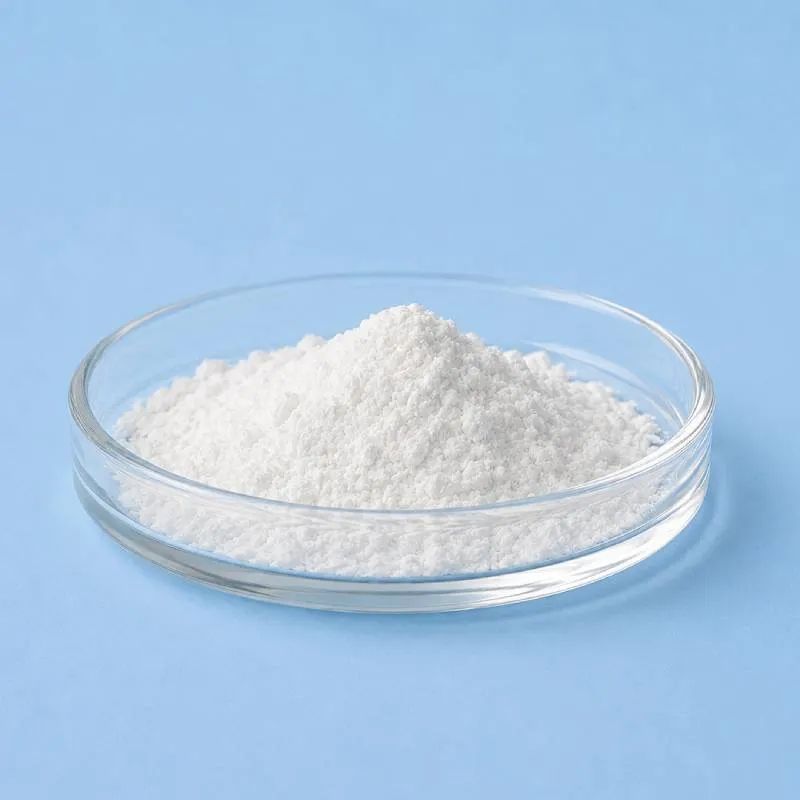
Climbazole for specialized shampoos and scalp care formulations
Climbazole is a functional cosmetic ingredient used in the development of specialized scalp and hair care products. It is incorporated into shampoos, scalp cleansers, tonics, lotions, serums, masks, and professional hair care systems designed around targeted cleansing, scalp freshness, and a comfortable sensory experience after use.
Modern hair care formulation is no longer limited to cleansing the hair fiber. The scalp has become an independent product development category, with consumers looking for dedicated routines and carefully formulated products. Cleansing performance, foam quality, rinse feel, compatibility with regular use, hair manageability, and the overall sensory profile of the finished product all influence the success of a modern shampoo.
Climbazole is suitable for these formulation concepts when used as part of a technically balanced system. The ingredient can be combined with surfactants, conditioning polymers, humectants, botanical extracts, proteins, amino acid complexes, and other compatible cosmetic raw materials. The quality of the finished product depends on the complete formulation, processing method, and stability of the selected ingredient combination.
Function in cosmetic product development
Climbazole is used primarily in formulations focused on scalp care and specialized hair cleansing. Depending on the formulation design, it can be considered for rinse-off products as well as selected leave-on formats.
In shampoo development, the ingredient may be incorporated into clear, creamy, or pearlescent systems. The formulator should evaluate compatibility with surfactants, viscosity modifiers, solubilizers, conditioning polymers, preservation systems, and fragrance compositions.
Scalp tonics, lotions, and serums require a different formulation strategy. In these lightweight formats, uniform ingredient distribution and physical stability are particularly important. The finished product should maintain a consistent appearance and texture throughout its intended shelf life.
Professional product developers can use Climbazole in salon collections, barbershop ranges, SPA concepts, and structured home care systems. A complete range may combine a cleansing shampoo with a separate scalp tonic and conditioning products for the hair lengths.
Applications across professional and consumer hair care
Shampoo is one of the principal product formats for Climbazole. Manufacturers can develop formulations intended for regular cleansing routines, periodic care programs, professional salon use, or specialized scalp-focused collections.
In men's grooming ranges, the ingredient can be used in shampoos with lightweight textures, efficient cleansing characteristics, and fresh fragrance profiles. These products can be developed as part of simple daily grooming routines or more extensive professional collections.
In women's hair care products, Climbazole may be combined with mild surfactant systems, conditioning polymers, hydrolyzed proteins, botanical extracts, and amino acid complexes. This approach allows manufacturers to develop scalp-focused cleansing products while maintaining pleasant hair feel after rinsing and drying.
Salon product ranges can separate scalp cleansing from hair length care. The shampoo can perform the primary cleansing function, while masks, conditioners, and leave-in products are formulated separately for softness, manageability, shine, and sensory properties.
For contract manufacturing and private-label development, Climbazole offers opportunities to create focused product concepts for professional brands, independent cosmetic labels, and specialized hair care collections.
Compatibility with other cosmetic ingredients
The performance of a finished cosmetic product depends on the complete formulation rather than a single ingredient. Climbazole should therefore be evaluated as part of the entire system.
The cleansing phase may contain anionic, amphoteric, and nonionic surfactants selected according to the required cleansing intensity, foam structure, viscosity response, and rinse characteristics. The exact surfactant combination should correspond to the intended product positioning.
Conditioning polymers may be incorporated to improve wet combing and reduce roughness after cleansing. Humectants such as glycerin and betaine can support a more balanced sensory profile. Proteins and amino acid complexes are suitable for professional hair care concepts when they are compatible with the complete formulation.
Botanical extracts can also be included in specialized scalp care products. Their selection should be based on technological compatibility, stability, and the intended product concept. Increasing the number of ingredients without a clear formulation purpose does not necessarily improve the finished product.
How to use Climbazole in cosmetic manufacturing
Before beginning formulation work, the manufacturer should define the final product format. Shampoo, tonic, lotion, serum, and other scalp care formats require different processing strategies and incorporation methods.
Climbazole should not simply be added directly to a finished cold shampoo base without appropriate formulation preparation. The incorporation method should be selected according to the composition of the complete product and the properties of the selected raw materials.
A small laboratory batch should be prepared before moving to commercial production. The sample should be evaluated for appearance, homogeneity, viscosity, fragrance compatibility, and physical stability.
During stability observation, formulators should monitor the product for crystallization, sediment formation, phase separation, and significant changes in viscosity. If the system becomes unstable, the formulation structure or processing method should be adjusted.
Scale-up from laboratory testing to industrial manufacturing also requires attention. Mixing intensity, processing temperature, order of addition, vessel geometry, and batch size can influence the behavior of the finished product.
Example scalp cleansing shampoo formula
Purified Water 570 g
Mild Cleansing Base 250 g
Cocamidopropyl Betaine 100 g
Glycerin 30 g
PEG-40 Hydrogenated Castor Oil 20 g
Botanical Extract 10 g
Climbazole 5 g
Conditioning Polymer 3 g
Preservative System 7 g
Fragrance Composition 3 g
Lactic Acid 2 g
Prepare the aqueous phase and distribute all ingredients that require preliminary hydration or dissolution. Allow sufficient time for uniform dispersion before introducing components that may affect polymer hydration.
Add the mild cleansing base and Cocamidopropyl Betaine gradually under moderate mixing. Excessive agitation should be avoided to reduce unnecessary foam formation during processing.
Prepare Climbazole for incorporation according to the selected formulation system. Introduce it into the main batch under continuous controlled mixing. Add the botanical extract, preservation system, fragrance composition, and final adjustment ingredients during the appropriate processing stage.
Evaluate the finished shampoo for appearance, homogeneity, viscosity, and physical stability. This formula is intended as a formulation development example and should be tested with the specific commercial raw materials selected for manufacturing.
Changes in surfactant grades, solubilizers, polymers, preservation systems, or fragrance compositions may affect product stability. Laboratory evaluation should be repeated after significant raw material substitutions.
Quality control and product stability
Stability testing is an important stage in the development of products containing Climbazole. A freshly prepared sample may appear uniform but change during extended storage, making long-term observation an essential part of formulation development.
The finished product should be monitored for separation, sediment, crystallization, significant viscosity changes, and unwanted changes in appearance or fragrance character.
Accurate weighing, clean manufacturing equipment, controlled processing conditions, and documented production procedures contribute to consistent batch quality. These principles become especially important when scaling a formulation from laboratory volume to industrial production.
Manufacturers of finished cosmetic products should also evaluate compliance with the regulatory requirements of each target market. Ingredient use conditions, product documentation, labeling, safety assessment, and other requirements may differ between regions.
Climbazole in contemporary scalp care products
Scalp care continues to grow as a distinct segment of the international personal care industry. Consumers increasingly use structured routines that may include cleansing shampoos, scalp tonics, lightweight serums, masks, and complementary conditioning products.
Climbazole provides formulation opportunities for manufacturers developing professional shampoos, scalp care collections, salon products, men's grooming ranges, and specialized home care systems. It can be combined with carefully selected surfactants, conditioning agents, humectants, botanical extracts, proteins, and amino acid complexes.
For formulators, the most effective approach is to consider Climbazole as one component within a complete product development strategy. Finished product quality depends on ingredient compatibility, accurate processing, appropriate stability testing, and a clear understanding of the intended product format.
A well-designed formulation combines cleansing performance, sensory characteristics, physical stability, and practical use in one coherent system. This approach supports the development of specialized scalp and hair care products for professional and consumer markets.