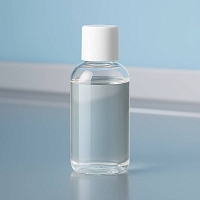
A Multi-Industry Humectant Behind Sweets, Syrups and Skin Formulas
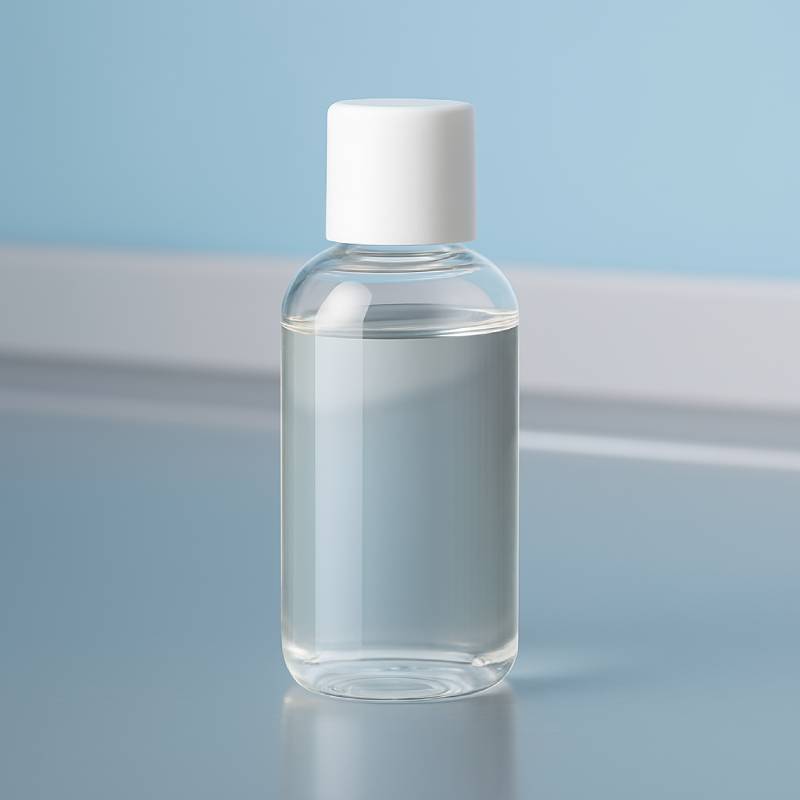
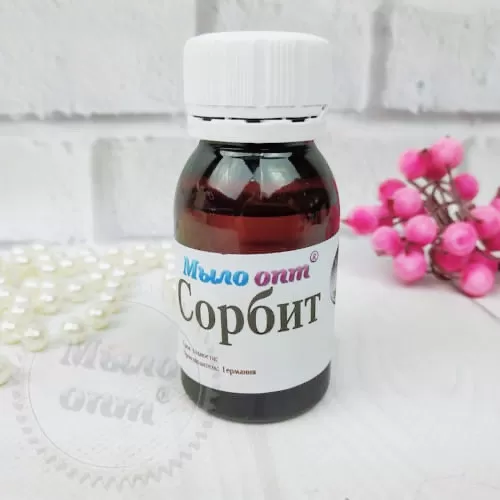
Liquid sorbitol has grown far beyond a niche ingredient and is now one of the most widely demanded multifunctional raw materials across several industries at once. In food production it serves as a lower-calorie sweetener and as a moisture stabilizer in confectionery, chewing gum, marmalade and baked goods. In pharmaceutical manufacturing sorbitol is essential for syrups, suspensions and toothpaste formulations, where it retains moisture, prevents crystallization and gives the product the right consistency. This item belongs to the Solvents and humectants category, which brings together ingredients used to control texture, viscosity and moisture balance in finished formulations.
In the cosmetics industry sorbitol is valued for its ability to attract and hold water molecules within the upper layers of the skin, helping creams, lotions and toothpastes stay soft and resist drying out during storage. It is typically added to the water phase of an emulsion during mixing at 40-60 degrees, usually at 3 to 10 percent of the total formula weight — the exact dosage depends on the desired moisture level and final viscosity. In household chemistry sorbitol is used in gels and liquid soap-type products, where it helps retain moisture and softens the feel on contact with hands.
Sorbitol pairs well with vegetable oils and fatty acids such as Oleic Acid, which smooths out the final texture of an emulsion and balances the after-feel on skin. It also combines effectively with B-group provitamins, particularly Vitamin B5, enhancing the overall moisturizing and conditioning effect of a formula. For scenting home-made or small studio batches of cosmetics or hygiene gels, formulators often turn to natural essential oils such as Peppermint Essential Oil, which adds a fresh tone and a light cooling sensation.
The 1 liter packaging is convenient for home cosmetic making, small trial batches of creams, gels and household products, and for workshops testing new formulas before scaling up production. Sorbitol should be stored in a tightly closed container, in a dry place at room temperature, away from direct sunlight and heat sources, to maintain its stability throughout the shelf life.
Cooling peppermint hand gel
Distilled water 70 ml
Sorbitol 8 ml
Oleic Acid 5 ml
Vitamin B5 3 ml
Peppermint Essential Oil 5 drops
Gel thickener 5 g
In
a separate container combine the water with sorbitol and Vitamin B5, warming
gently to 40 degrees to aid dissolving. Add the gel thickener in small portions
while stirring continuously until a smooth gel forms. Cool the mixture to 30
degrees, then blend in the oleic acid and peppermint essential oil, mix
thoroughly until uniform, and transfer into a clean dispenser bottle.