Fast worldwide delivery
Product catalog
Master classes, recipes, tips
AMIGEL rheology guide: Sclerotium Gum in gels emulsions and suspensions
A comprehensive technical formulation guide dedicated to managing rheology in cosmetics using the natural polysaccharide AMIGEL (Sclerotium Gum). This article explores the physical mechanisms of polymer hydration and network formation for structuring clear gels, light emulsions, and particle-suspending fluids. It covers pre-dispersion in polyols, electrolyte stability, shear rate handling, incompatibility limits, thermal limits, and precise pH controls. Features three complete DIY recipes with step-by-step compounding instructions and cold storage standards.
Natpure Film AP: natural film-forming technology for skin color cosmetics and hair
A comprehensive technical formulation guide dedicated to utilizing the bio-based film former Natpure Film AP (derived from sugar cane) in color cosmetics and hair care. This article breaks down the physical mechanics of flexible film creation, moisture resistance, and pigment adhesion enhancement. It covers aqueous dissolution protocols, compatibility with natural polymers and gums, thermal boundaries, and precise pH controls. Features three complete DIY recipes with step-by-step compounding instructions and storage standards.
ViableCare LipoCare 8: integrating a liposomal ceramide complex into barrier-care formulas
A comprehensive technical formulation guide to designing skin barrier restoration creams and liposomal fluids using ViableCare LipoCare 8. This article breaks down the physiological mechanism of ceramide integration into stratum corneum lipids to stop transepidermal water loss. It details exact processing protocols to protect liposomal structures, low-shear cooling phase entry below thirty degrees Celsius, emulsifier compatibility, and pH boundaries. Features three complete DIY recipes with step-by-step compounding instructions and cold storage standards.
Product Description

Sodium DNA functional characteristics and industrial application in the production of regenerating cosmetic products

Sodium DNA is the sodium salt of deoxyribonucleic acid, acting as a high-tech component of biological origin. This raw material is most often extracted from salmon milt, which ensures its high degree of purification and biocompatibility. The product is supplied in an Extract Powder format as a fine powder or as a concentrated aqueous solution. Manufacturers choose this format for its technological stability and ease of integration into modern cosmetic formulas. In production logic, Sodium DNA is valued as a powerful tool for protecting cellular structures and activating natural tissue renewal. This component is a sought-after raw material for enterprises focused on creating high-performance cosmetics with scientifically based action.

Properties and purpose

The primary purpose of Sodium DNA is deep hydration and maintaining the structural integrity of the skin barrier. In cosmetic chemistry, this polynucleotide is used to develop products aimed at combating age-related changes and protecting against the aggressive effects of ultraviolet radiation. Formulators choose Sodium DNA because it promotes the retention of water molecules in the deep layers of the epidermis and improves the elasticity of the skin. Manufacturers use this active in formulations to improve skin microrelief and even out facial tone. The choice of this specific component is driven by its ability to stimulate the metabolic activity of fibroblasts without causing irritation. The stability of the active across a wide pH range makes it convenient for creating various textures from light fluids to rich creams.

Industrial applications

In the cosmetic industry, Sodium DNA is a key ingredient for anti-aging lines, hydrating serums, and products for skin recovery after aesthetic procedures. The skin care sector actively uses this active in face creams and products for the delicate eye area. In the hair care industry, the component is included in formulations to strengthen the structure and hydrate the scalp. The Wellness sector applies Sodium DNA in functional products to improve the overall condition of the epidermis and enhance its protective functions. The product is also in demand in nutraceuticals exclusively as a raw material base for specialized supplements. The component is ideally suited for small-scale manufacturing and Private label projects, ensuring high efficiency of scalable formulations and competitiveness in the B2B segment.

Recipe Regenerating serum based on polynucleotides

Damask rose hydrosol 80 ml Vegetable glycerin 10 ml Sodium DNA 5 ml Panthenol 3 ml Low molecular weight hyaluronic acid 2 ml

Sodium DNA ensures the creation of high-quality products with a pronounced result for B2B clients. The use of this biological component guarantees the stability of the characteristics of the finished products and allows manufacturers to offer innovative solutions for professional skin care.

Characteristics:
INCI Sodium DNA
pH 5.0–7.5
Other
Application Applications in various fields Skin cosmetics Serums Creams and emulsions Concentrates Post-procedure products Body cosmetics Regenerating creams Lotions Professional cosmetology Post-procedure programs Concentrates Hardware procedures SPA and wellness industry Regenerating complexes Care for stressed skin Dermatological developments Skin support formulas Complex active systems
Att brand China
Color product From transparent to light yellow
Dosage Serums 0.1–2% Creams and emulsions 0.1–1% Gels 0.1–2% Professional concentrates up to 2%
Features All information presented on the site is for reference only
Minimum count 1
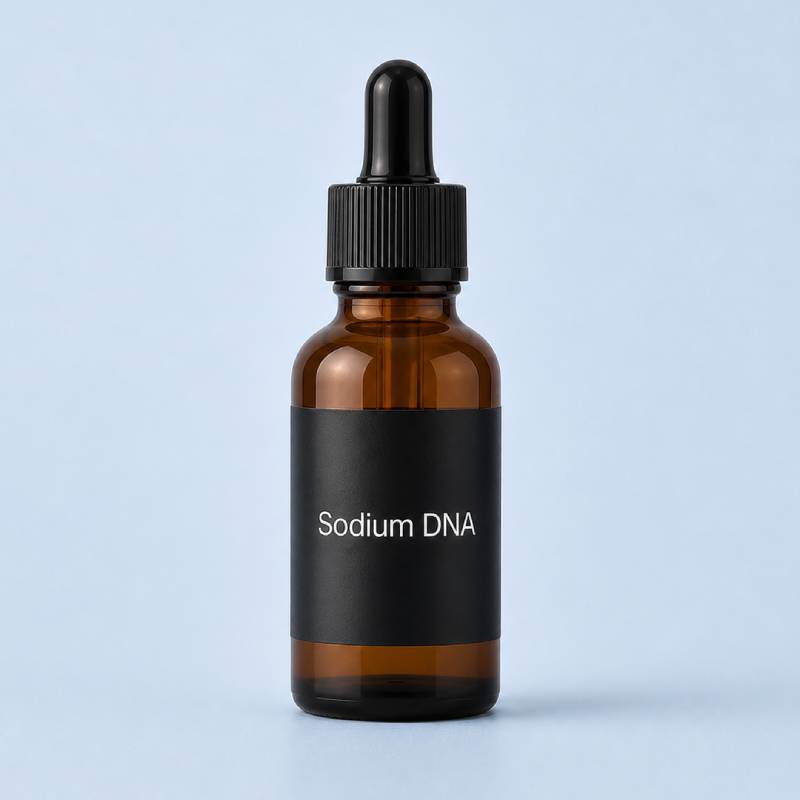
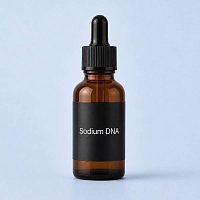
Name Sodium DNA 5 ml
Other names PDRN Polydeoxyribonucleotide DNA Sodium Sodium DNA Polymer
Packaging container for transportation
Packing 5 ml
Properties Polydeoxyribonucleotide in the form of sodium salt obtained from highly purified DNA raw materials. Biotechnological active ingredient used in modern skin restoration formulas. Used in systems to support skin regeneration processes. Maintains skin cell activity at the formulation level. Helps improve skin texture and appearance. Used in anti-aging and skin repair products. Possesses moisturizing and protective properties. Maintains the skin's barrier function. Used in formulas for the care of damaged and sensitive skin. Compatible with aqueous and emulsion systems.
Purpose A functional biotechnological active ingredient for skin restoration An ingredient for anti-aging and regenerating formulas An ingredient for damaged skin care
Solubility in the water
View liquid
Valid until 12.2028
Add a review
Your score:
Send feedback
Error

Close window
Product added to cart
Total:
Request the price of the product
Fill in the details for the price request
Request a price Request a price