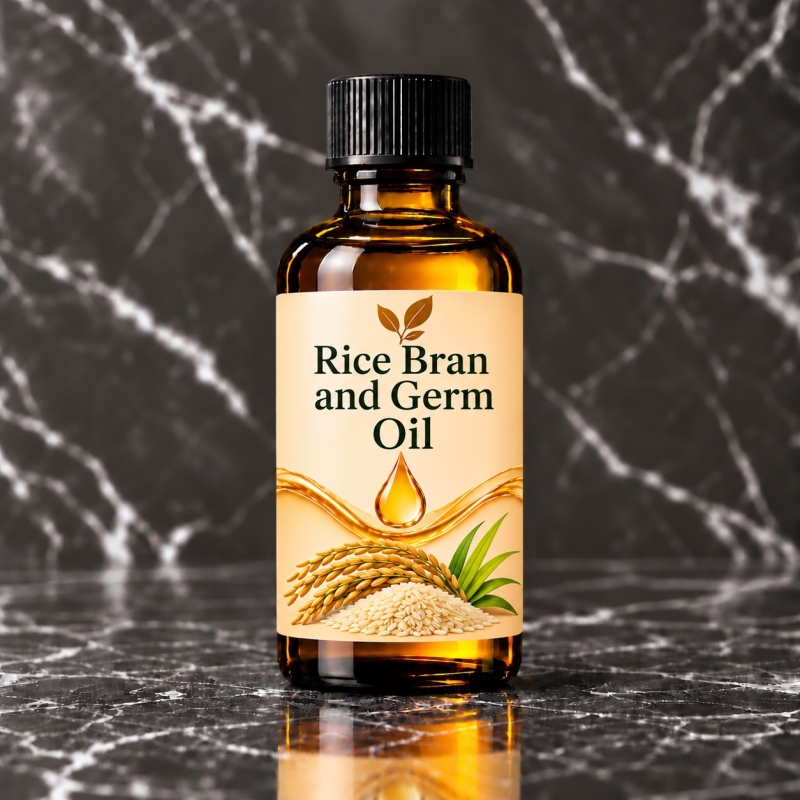
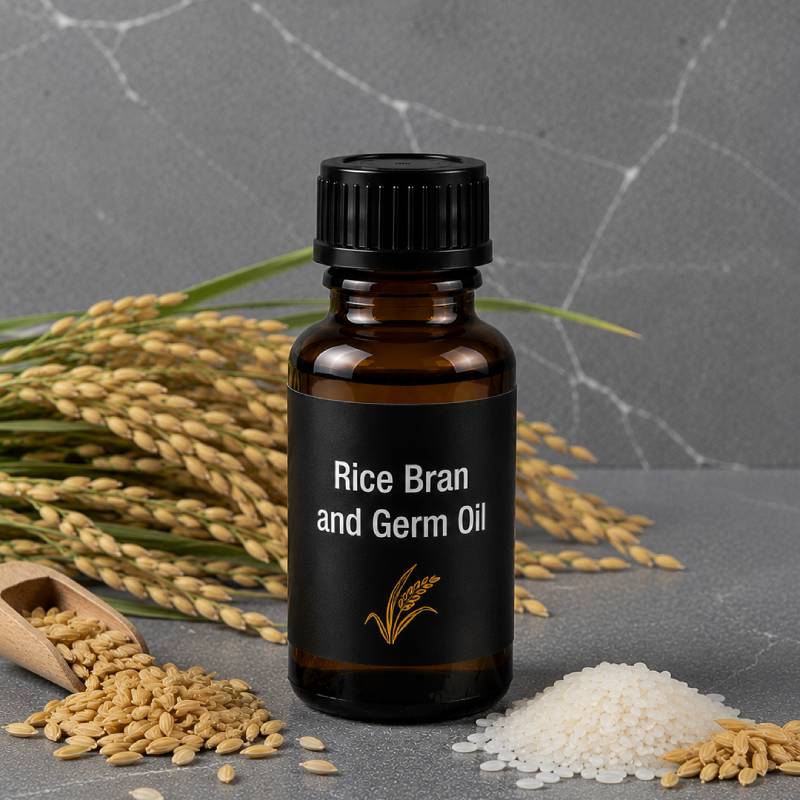
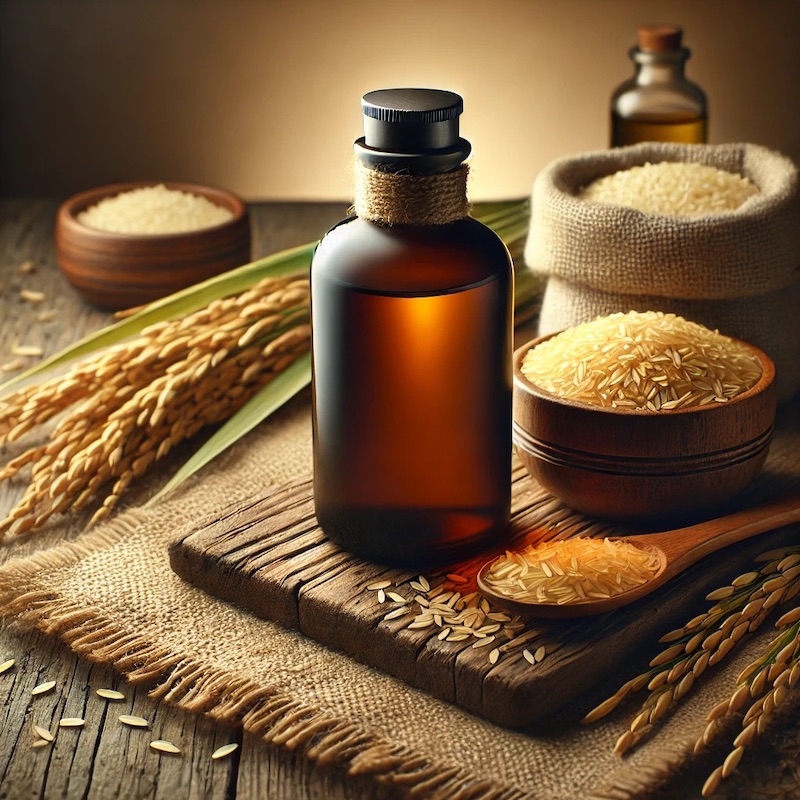
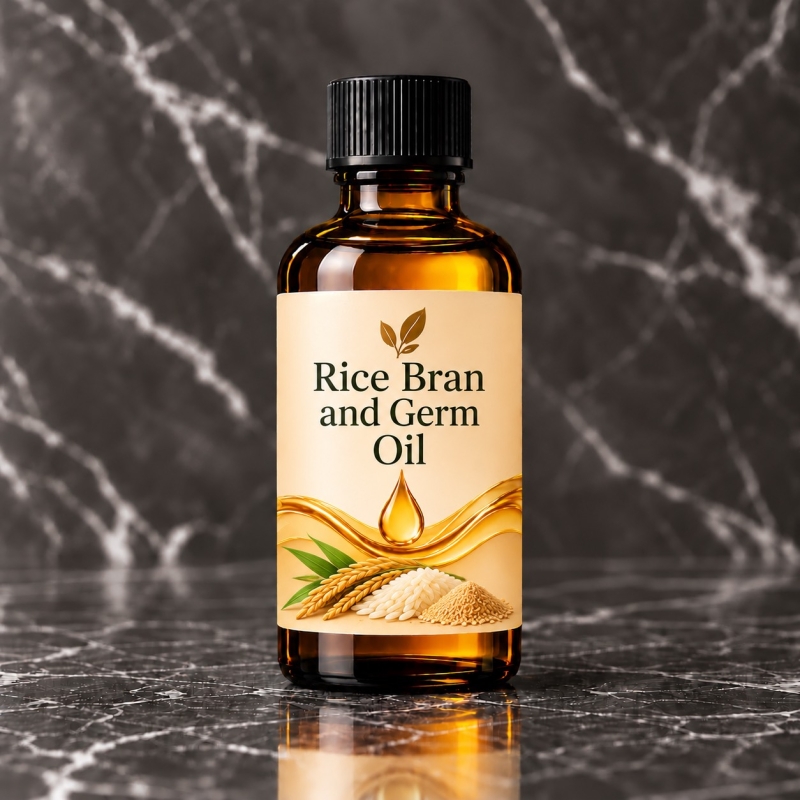
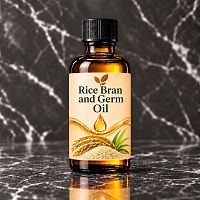
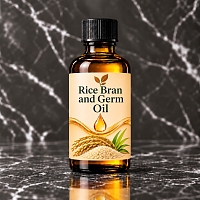
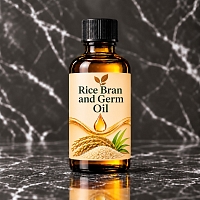
Rice Bran and Germ Oil 1 L: product Overview and Specification Snapshot
Rice Bran and Germ Oil serves as a versatile botanical lipid for cosmetic manufacturers and laboratories seeking reliable performance in face and body care formulas. This ingredient appears under the INCI name Oryza Sativa Bran Oil and is sourced from the USA. The exact offering Rice Bran and Germ Oil 1 L delivers a clear oily liquid with a characteristic scent and 100 % natural food-grade composition. Formulators value its naturally occurring fatty acids, gamma-oryzanol, phytosterols, tocopherols and squalene when building lipid-rich textures for creams, lotions and anhydrous systems.
Origin, Sourcing and Grade
Produced in the USA from rice bran and germ fractions, the oil reaches professional cosmetic standards suitable for both retail and wholesale channels. Buyers searching Bulk Liquid Oils appreciate the consistent supply chain that supports large-scale production runs. The material remains unrefined unless specified, preserving the native profile required for sophisticated botanical blends.
Functional Performance in Formulations
In cosmetic emulsions Rice Bran and Germ Oil contributes to skin softening and nourishing effects, particularly in products intended for dry skin. It integrates smoothly with esters, squalane and natural waxes, allowing formulators to achieve desired spreadability and after-feel. Laboratories often evaluate its fatty acid profile and comedogenic rating when matching the oil to target textures and skin types. The ingredient also supports hair care and massage preparations by delivering emollient properties without heavy residue.
Formulation Guidelines
Incorporate the oil into the lipid phase of emulsions alongside emulsifiers and consistency agents. For anhydrous balms or oil serums it functions as part of the carrier system. Typical usage levels range from 5 % to 30 % depending on desired richness. Compatibility testing with oil-soluble actives, botanical extracts and antioxidant systems is recommended during development. Teams working with frequently combine this oil with complementary plant lipids to create balanced sensory profiles.
Quality Control and Documentation
Each batch undergoes standard verification for identity and purity. Purchasing managers routinely request the certificate of analysis to confirm compliance with internal specifications. Storage in a cool, dark place inside tightly closed containers helps maintain quality throughout the stated shelf life. Documentation supports both carrier oils wholesale and cold-pressed oil bulk programs.
Packaging Options and Lot Consistency
The 1 L format suits pilot-scale and mid-volume production while larger wholesale packs remain available upon request. Lot-to-lot consistency is maintained through controlled sourcing and processing, enabling reliable scale-up. Smaller reference sizes such as the Rice Bran and Germ Oil 100 ml allow R&D teams to conduct initial trials before committing to bulk quantities. The MOQ and pack options are confirmed at quotation stage.
FAQ
What is the minimum wholesale batch size and which pack options are available for Rice Bran and Germ Oil?
Wholesale orders start from defined MOQ quantities, with 1 L units serving as the standard entry pack and larger drums supplied for volume buyers. Exact batch thresholds are provided during commercial discussions.
How long does Rice Bran and Germ Oil remain stable and what indicates the need for replacement?
Properly stored material retains quality until the printed best-before date. Off-odour development or visible changes signal oxidation; keeping containers tightly closed and away from heat and light slows these processes.
Which extraction approach is used and how does it influence the final quality of Rice Bran and Germ Oil?
Cold-pressed processing preserves native lipids and minor components. This method supports the oil’s suitability for cosmetic applications where minimal alteration of the botanical profile is preferred.
How does the refined grade of Rice Bran and Germ Oil differ from the unrefined version?
Refining removes colour and odour while the unrefined grade retains its characteristic scent and natural constituents. Formulators select the grade according to the sensory and visual requirements of the finished product.