Consistent Blue Tone Built for Bulk Production Runs
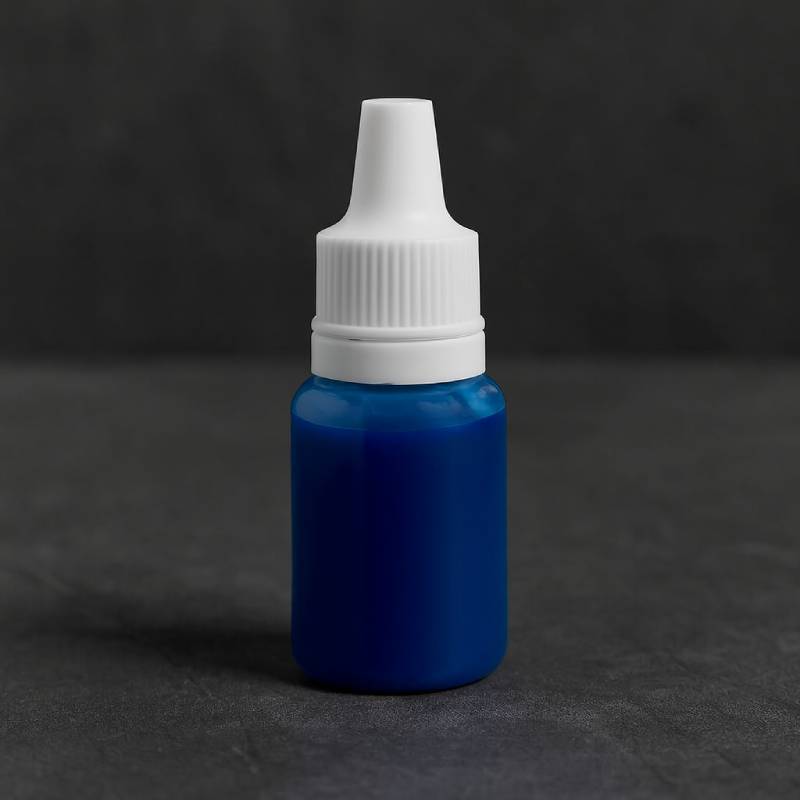
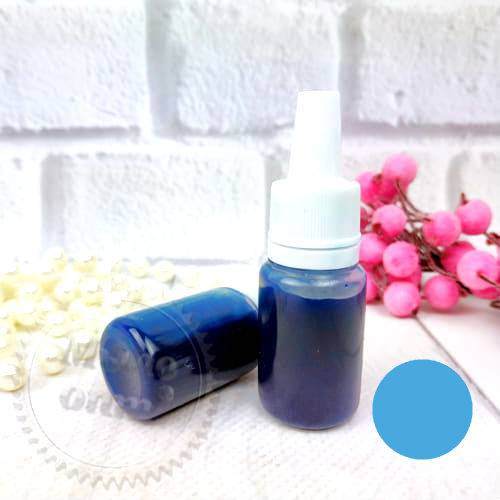
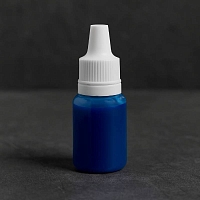
Liquid pigment Blue in the 1 liter size is designed for workshops and small production lines that need dependable, repeatable color results across large batches of material. This size is popular among makers working with epoxy resin casting, polymer concrete decor, candle wax, and bath bomb production, where dyeing sizable volumes of base needs to be both efficient and consistent from batch to batch. The liquid form allows the pigment to be blended directly without pre-dissolving, giving rich color with just a few drops per kilogram of base material. Browse more shades in the Liquid Pigments Wholesale section to find the right match.
This pigment belongs to the Pigments Liquid collection, which brings together non-migrating colorants that stay put once cured, meaning colored resin, wax, or bath bomb base will not bleed or stain packaging and neighboring layers. This makes it a strong choice for resin jewelry, decorative trays, serving boards, colored candles, and layered bath bombs where clean color separation matters.
For epoxy and polyurethane resin work, the pigment is mixed in during the resin and hardener blending stage at room temperature, typically at a rate of 0.5 to 3 grams per 100 grams of finished resin depending on the depth of color desired. For candle wax, the ideal addition temperature is around 60 to 70 degrees Celsius, right after melting but before adding fragrance. This pigment pairs well with other colorants, such as Pigment dye Emerald 10 ml for marbled and layered effects, or a touch of Blue Liquid mica pigment, 10 ml for subtle shimmer within the same blue family, giving small studios flexibility across a product line without needing separate suppliers.
When working with large volumes, it helps to add the pigment gradually in small increments, mixing thoroughly after each addition to prevent streaking and ensure an even tone throughout the batch. For scented projects, this blue pairs nicely with fruity notes such as Liquid Ultra Multifruit Dye 10 ml when a secondary color accent is needed within the formulation. Store the pigment tightly sealed in a dark location at room temperature, away from direct sunlight and temperature fluctuations, to preserve color stability over extended periods. The 1 liter size suits studios and small manufacturers planning regular production runs of colored goods without frequent reordering.
Layered Ocean Wave Candles
Soy wax 600 g
Coconut wax 200 g
Liquid pigment Blue 5 g
Candle fragrance oil 30 ml
Melt
the soy and coconut wax together at around 70 degrees Celsius, stirring until
fully combined. Divide the melted wax into two portions, leaving one clear and
tinting the other with the liquid pigment until a deep ocean blue is reached.
Pour the darker layer into the container first and let it partially set for
about ten minutes, then pour the lighter layer on top at a slightly lower
temperature to create a soft wave line between the two shades. Add fragrance
oil to both portions before pouring and allow the candle to cure at room
temperature for at least twenty four hours before trimming the wick.
Frequently asked questions
What dosage suits Liquid pigment Blue 1 L in cosmetic mixes?
Begin with 0.3 percent and add drop by drop up to 5 percent while testing color on a small batch first. The liquid form allows direct addition without dissolving. This approach yields consistent blue results across batches.
Does Liquid pigment Blue come with quality documentation?
A COA is available upon request to verify premium-grade specifications. It confirms suitability for cosmetic applications. Request it when scaling production.
How should Liquid pigment Blue 1 L be stored for maximum shelf life?
Keep it in a dry cool place inside a tightly sealed container away from light until December 2041. Proper storage maintains color stability. This suits long-term workshop use.
Is the 1 L pack of Liquid pigment Blue intended for trials or larger runs?
The one-liter size fits production-scale work with resins and gypsum where repeatable blue tones are needed. Trial batches benefit from smaller volumes. The format supports efficient handling in cosmetic labs.