Palmitoyl Tripeptide-1 for Advanced Peptide-Based Cosmetic Formulations
Palmitoyl Tripeptide-1 is a well-established signal peptide widely used in modern cosmetic science and premium skin care development. The ingredient combines a tripeptide structure with palmitic acid, creating a peptide system that integrates efficiently into both aqueous and emulsion-based formulations.
As one of the most recognized peptide ingredients in the international cosmetic raw material market, Palmitoyl Tripeptide-1 is frequently incorporated into sophisticated beauty products developed by professional laboratories, contract manufacturers and premium personal care brands.
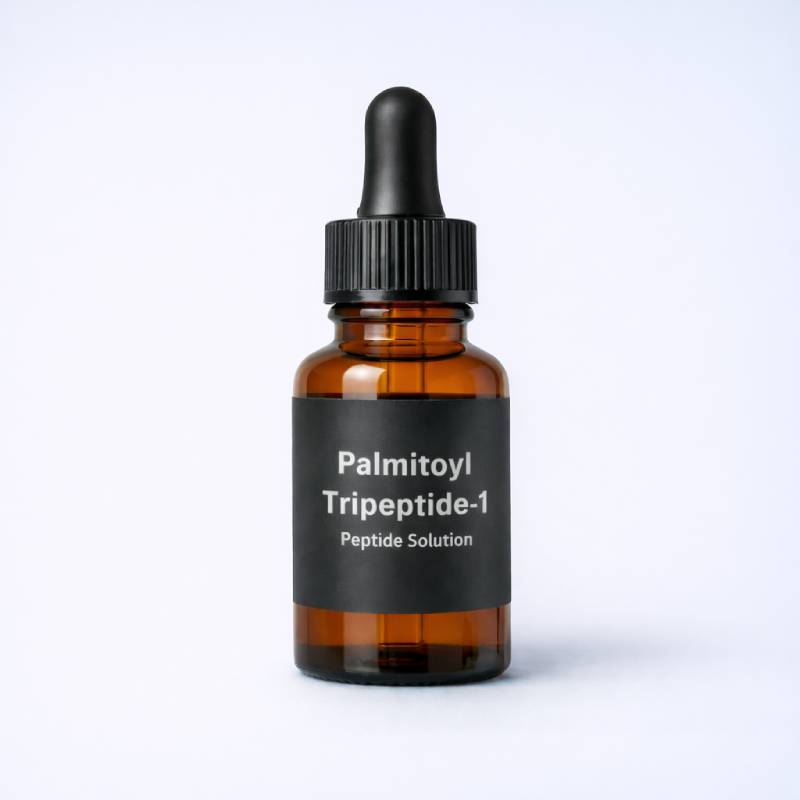
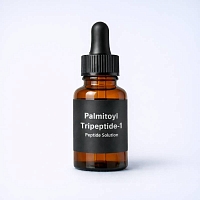
Palmitoyl Tripeptide-1 integrates efficiently into oil-based cosmetic systems as a colorless medium viscosity liquid. Discover additional options in cosmetic peptides or the full cosmetic actives selection, including the 100 ml version for scaled production needs.
Peptide Structure and Functional Composition
The molecule consists of amino acid fragments linked to palmitic acid, which acts as a lipid carrier. This structure enhances compatibility with a broad range of cosmetic systems and supports efficient formulation design.
Palmitoyl Tripeptide-1 is commonly combined with hyaluronic acid, niacinamide, panthenol, beta-glucan, amino acid complexes, ceramides, botanical extracts, coenzyme Q10 and moisturizing ingredients used in contemporary personal care products.
Its versatility has contributed to widespread adoption across multiple cosmetic categories.
Cosmetic Manufacturing Applications
The peptide is incorporated into serums, creams, emulsions, facial fluids, gels and concentrated skin care products. It is particularly popular in premium formulations featuring advanced peptide technologies and multifunctional active systems.
Formulators value the ingredient for its compatibility with modern cosmetic raw materials and its ability to integrate into sophisticated product concepts.
Benefits for Product Developers
Palmitoyl Tripeptide-1 demonstrates excellent formulation flexibility and can be used alongside other peptides, amino acids, botanical extracts, proteins and vitamin systems.
Its compatibility with both water-based and emulsion systems allows manufacturers to develop diverse product formats without significant processing challenges.
Applications in Contemporary Skin Care
The ingredient is widely utilized in facial serums, eye-area products, cosmetic concentrates, emulsions and advanced daily care concepts.
It is frequently combined with caffeine, green tea extract, hyaluronic acid, panthenol, aloe vera and niacinamide to create comprehensive cosmetic formulations.
Market Trends and Industry Demand
The continued growth of peptide-based cosmetics has increased demand for ingredients such as Palmitoyl Tripeptide-1 across global beauty markets. The peptide remains an important component in modern skin care innovation and advanced formulation development.
Peptide Serum Formula
Purified Water - 72 ml
Rose Hydrosol - 15 ml
Vegetable Glycerin - 4 g
Panthenol - 2 g
Niacinamide - 3 g
Palmitoyl Tripeptide-1 - 2 g
Beta-Glucan - 2 g
Low Molecular Weight Hyaluronic Acid - 1 g
Preservative System - 1 g
Lactic Acid - 0.5 ml
Mix all ingredients thoroughly until a clear homogeneous serum is obtained.
The finished serum provides a lightweight texture with smooth application and excellent compatibility with additional cosmetic products. The formulation combines modern peptide technology with moisturizing and botanical ingredients while maintaining an elegant sensory profile.
FAQ
What is the solubility of Palmitoyl Tripeptide-1 5 ml?
It is soluble in oil. For Пальмитоил трипептид-1 in the 5 ml pack this helps when planning the order of adding phases.
What form does Palmitoyl Tripeptide-1 5 ml have?
It is supplied as a colorless medium viscosity liquid in a 5 ml pack.
How should Palmitoyl Tripeptide-1 5 ml be stored?
Store Palmitoyl Tripeptide-1 5 ml in a dry cool place inside a hermetically closed container protected from light.
What dosage range is suggested for Palmitoyl Tripeptide-1 in cosmetic products?
The recommended concentration is 0.5-3% for daily care and up to 5-10% in premium anti-aging products such as creams and serums.