Why Poppy Seed Oil Suits Fast-Absorbing Skincare Formulas
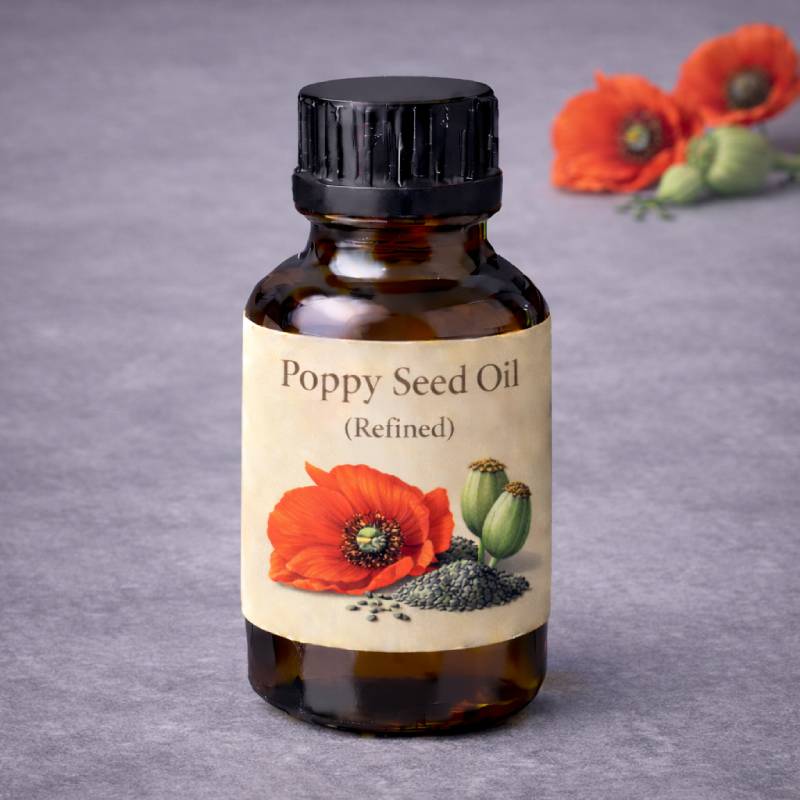
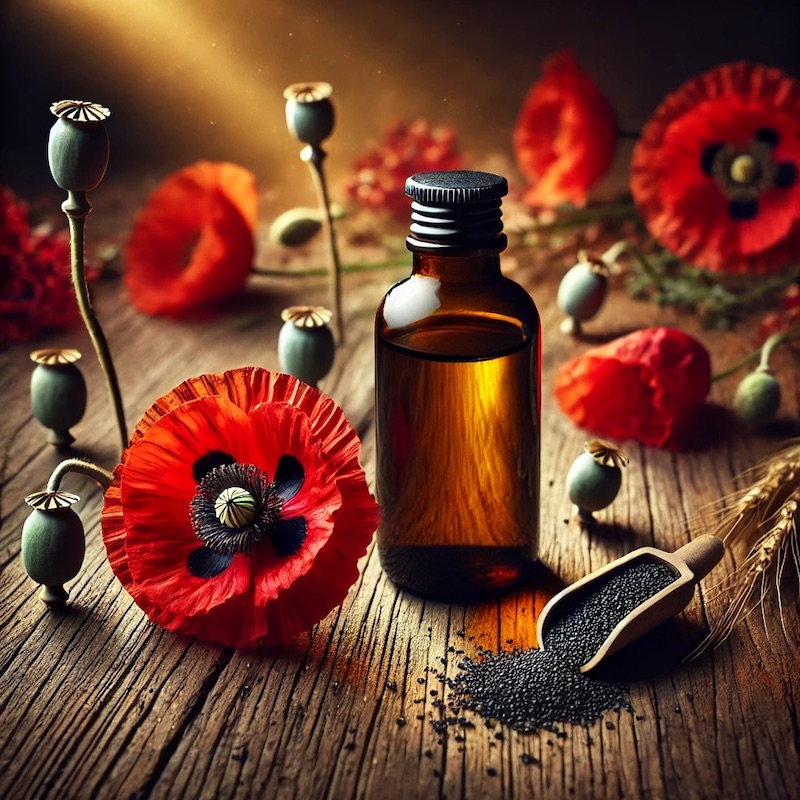
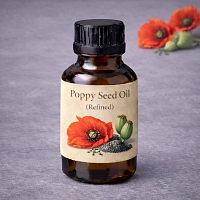
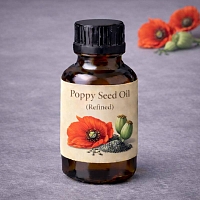
Poppy seed oil is pressed from the seeds of Papaver somniferum and then refined to remove impurities, giving it better stability and a longer usable life on the shelf. Its main area of use is the cosmetic and personal care industry, where formulators value its light, almost dry texture and quick absorption without leaving a greasy film on the skin. This oil belongs to the category of liquid basic oils, which brings together plant oils of varying viscosity and absorption speed, making it easier to choose the right base for a specific formula.
In skincare, poppy seed oil is commonly used in facial serums, lightweight creams, and emulsions where a heavy feel would be undesirable. It works well in formulas aimed at tired or mature skin thanks to its polyunsaturated fatty acid content, and it also appears in hair care products, adding shine and easing detangling without weighing strands down. In color cosmetics, the oil is sometimes introduced into liquid lip oils and tinting bases since it does not leave a sticky residue. Typical usage rates in finished formulations range from 5 to 20 percent of the total oil phase, depending on the desired texture and purpose of the product.
Poppy seed oil blends nicely with other light to medium-weight oils to build a balanced sensory profile. It pairs well with refined pistachio oil, which adds extra nourishment and a silkier glide upon application. For formulas focused on antioxidant support and dull skin concerns, it can be combined with refined turmeric oil in a small dosage, since turmeric carries strong activity and needs careful concentration control. An interesting niche pairing also comes from refined chrysalide oil, which is used in regenerating formulations and complements the light base that poppy seed oil provides.
The oil should be added during the oil phase of a formulation, at a temperature not exceeding 40-45 degrees Celsius, to avoid degrading its beneficial fatty acid content through overheating. It blends readily with most carrier and essential oils and does not require separate emulsification steps. Store it in a tightly sealed container, away from direct sunlight and heat sources, to preserve its fatty acid stability and extend shelf life.
The 100 ml size is well suited for home-based cosmetic making and small trial batches, letting formulators test a recipe before scaling up to larger production runs. This quantity is enough for several experimental batches of creams or serums without risking a large volume of raw material.
Fast-Absorbing Facial Oil Blend
Poppy seed oil 40 ml
Pistachio oil 30 ml
Chrysalide oil 5 ml
Vitamin E 2 ml
Tocopherol-free fragrance oil 3 ml
Combine all the oils in a clean glass bottle, add the vitamin E and fragrance, then close the bottle and shake gently until fully blended. Let the mixture rest for 24 hours in a cool, dark place before first use to allow the scent and oils to settle together. Apply a few drops to clean, slightly damp skin morning or evening, massaging gently until absorbed.
Listed under the INCI name Poppy seed oil.
FAQ
How should refined poppy seed oil be stored after opening?
Keep in a dry cool place in a tightly closed container, protected from light, as stated on the label. The expiration date shown on the label for this batch is 11.2028.
What is the comedogenic rating of refined poppy seed oil?
Comedogenic rating is not listed in the product data. Check the specification sheet available on request.
With which oils or actives is refined poppy seed oil compatible?
The oil mixes with other oils and the fatty phase.
What is the minimum wholesale batch and available pack sizes for refined poppy seed oil?
Pack size is 100 ml. Wholesale batch sizes and options are listed in the current specification on request.