Why Chestnut Oil Suits Circulation-Focused Skincare Blends
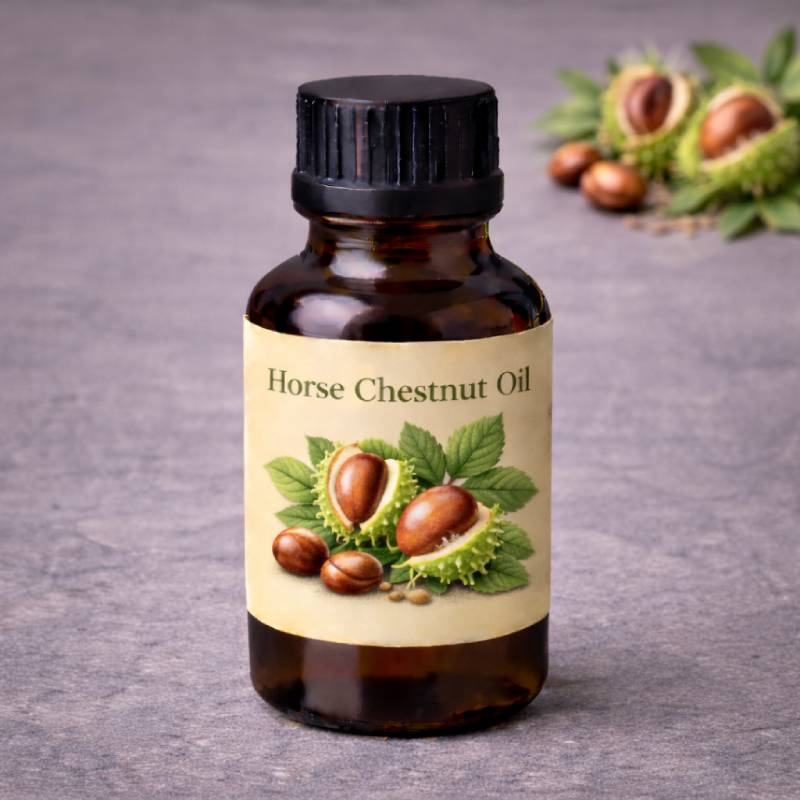
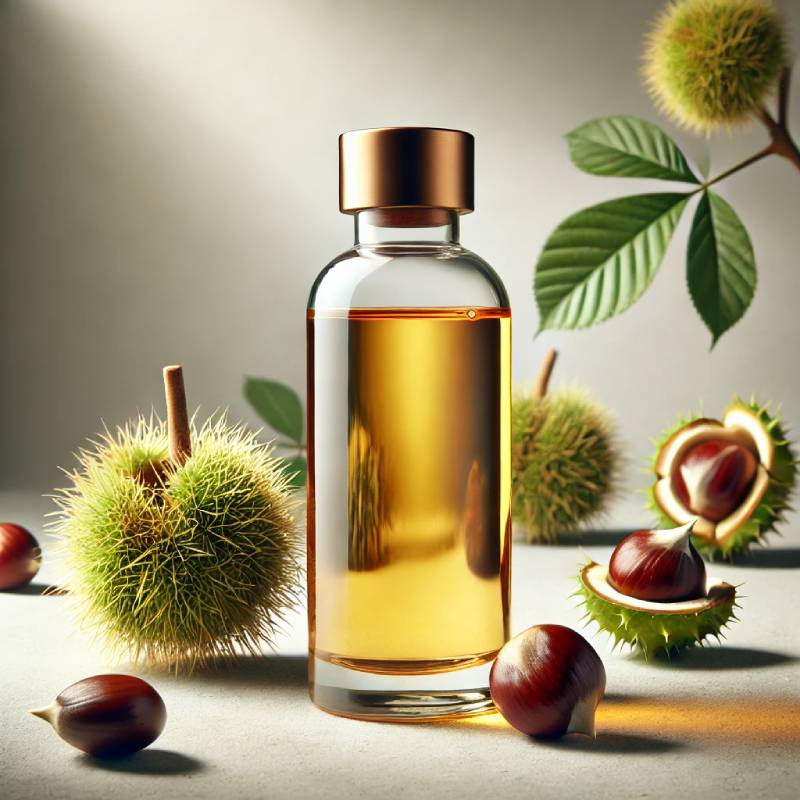
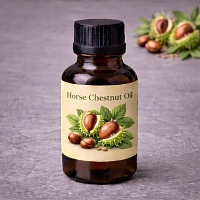
Chestnut oil in a 25 ml bottle is a practical choice for anyone testing new formulas or preparing small trial batches at home, since this modest volume allows formulators to check compatibility with other ingredients before committing to larger production runs. The product belongs to the Liquid Basic Oils category, which brings together lightweight plant oils that absorb quickly without leaving a heavy film on skin. Chestnut oil has long been valued for supporting vascular tone, which is why it appears in leg care products, anti-cellulite lines, and massage blends, as well as in hair strengthening formulations aimed at stimulating growth.
The primary field of use for this oil is professional and home cosmetic formulation, where it serves as an ingredient in creams and gels for tired legs, tonics for skin prone to visible capillaries, and massage oils used in body contouring routines. In the perfumery and cosmetics industry, chestnut oil is added to hair serums, masks, and conditioning balms, contributing to smoother, glossier strands thanks to its natural flavonoids and fatty acid content. It is frequently combined with the more widely recognized Horse Chestnut Oil (Infusion), producing a stronger vein-supporting effect within a single leg care formula.
When developing formulations, chestnut oil should be introduced during the oil phase mixing stage, at a temperature not exceeding 40-45 degrees Celsius, to protect its active compounds. Recommended dosage in finished creams and serums typically ranges from 3 to 10 grams per 100 grams of product, depending on the desired concentration of actives. The oil blends well with other light base oils, such as Flaxseed Oil, which further enriches the formula with polyunsaturated fatty acids, and Coriander Oil, adding extra regenerating properties to the blend.
In food production this oil is used far less frequently, but in natural perfumery and aromatic compositions it sometimes serves as a base for dissolving dense resins and waxes thanks to its relatively low viscosity. In household chemical goods, the product may appear in shoe care creams and leather conditioning treatments due to its nourishing qualities. Store the oil in a tightly sealed container, in a cool dark place away from direct sunlight and heat sources, to prevent premature oxidation of the fatty acids.
Chestnut oil pairs well with most essential oils commonly used in leg care and massage blends, such as grapefruit, cypress, or juniper. When formulating multi-component recipes, keep in mind that chestnut oil has a moderate shelf life once opened, so it is used within a few months of first opening the bottle.
Cooling Leg Massage Oil
Chestnut oil 15 ml
Flaxseed oil 5 ml
Coriander oil 5 ml
Essential oil of cypress 6 drops
Essential oil of peppermint 4 drops
Combine
the chestnut, flaxseed, and coriander oils in a clean glass bottle, gently
shaking to blend the base oils evenly. Add the cypress and peppermint essential
oils, then shake again until fully incorporated. Let the mixture rest for a few
hours in a cool place before first use to allow the aromas to settle. Apply a
small amount to legs with upward massaging strokes, focusing on tired areas,
preferably in the evening for a refreshing finish.
INCI name for label declarations: Calodendrum capense oil.
FAQ
What is the recommended input percentage and phase of addition for Chestnut Oil?
The recommended input percentage is from 10 to 15%. The phase of addition depends on the specific formulation and is listed in the specification on request.
How should Chestnut Oil be stored after opening?
Store in a cool dark place in a tightly closed container. Check the label for exact conditions.
What is the texture of Chestnut Oil in terms of viscosity and absorption?
Chestnut oil is an oily liquid with a lightweight texture that absorbs quickly without leaving a heavy film on skin.