How a 100 ml Bottle of Coriander Oil Supports Flavor and Fragrance Production
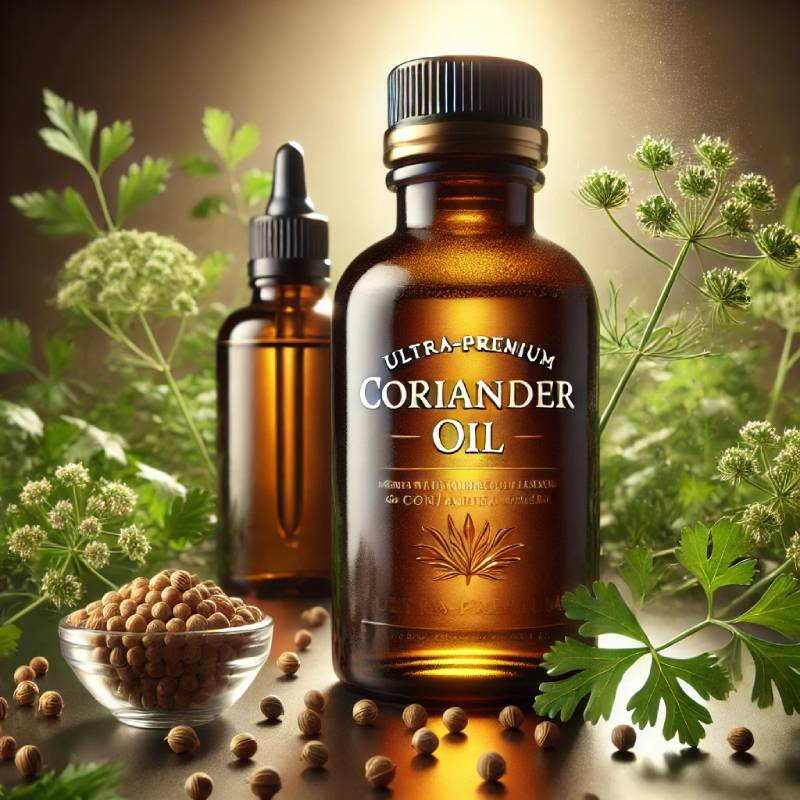
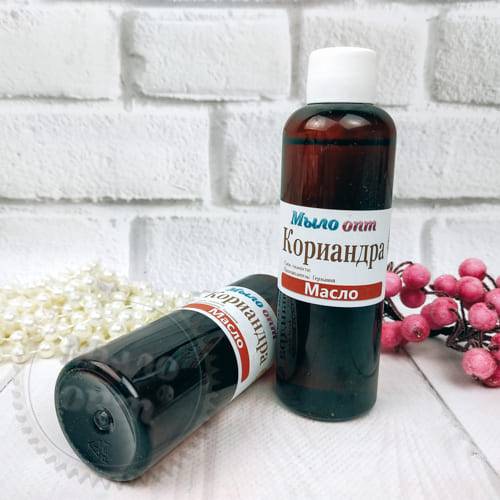
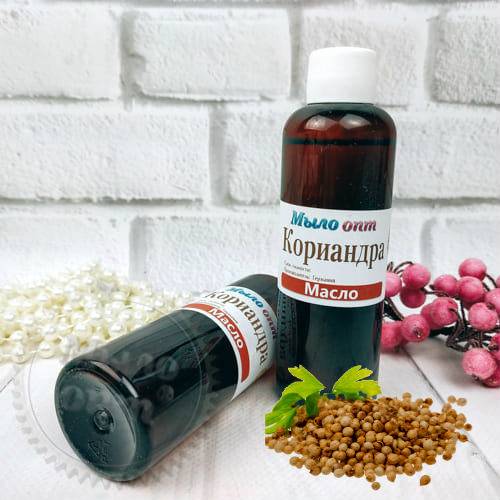
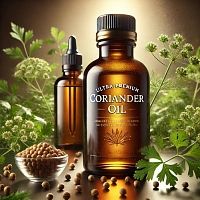
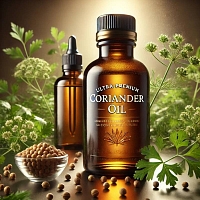
Coriander oil is obtained through steam distillation of the plant seeds and its demand stretches well beyond aromatherapy circles. Globally, this raw material is widely used in the food industry as a natural flavoring for liqueurs, confectionery and meat products, and it also plays a significant role in perfumery and cosmetic manufacturing thanks to its warm, spicy-woody profile with a subtle citrus undertone. This 100 ml bottle belongs to the Essential Oils section, and a volume of this size is typically chosen by small studios and workshops that use the oil on a recurring basis rather than testing it once.
In perfume compositions coriander oil sits in the heart note, contributing spicy warmth that balances brighter top notes, which is why it is frequently paired with citrus components. A common partner in such blends is Lemon Essential Oil, which lifts the composition and softens the spice with fresh brightness. In creams, lotions and body oils the recommended dosage usually ranges from 0.3 to 1 percent of the total formula weight, and the oil should be added at the final cooling stage, once the emulsion has dropped to no more than 35-40 degrees Celsius, to preserve its volatile aromatic compounds.
Coriander Oil 100 ml is suitable for regular use in fragrance and cosmetic formulations. Its warm spicy-woody note pairs well with citrus components. More about liquid oils is available in the Liquid Oils section.
In household chemistry applications coriander oil is used as a fragrance for candles, reed diffusers and scented sachets, where its relatively low volatility allows the scent to release slowly and evenly. In candle making it is typically blended into melted wax at around 60-70 degrees Celsius at a rate of 3-5 ml per 100 g of wax, stirred thoroughly before pouring into molds. Those experimenting with smaller test batches or sampling the scent before committing to a larger volume often start with the 5 ml Coriander Essential Oil or the German-made 10 ml version, later scaling up once the formulation is finalized.
The oil blends well with most carrier oils, waxes, emulsifiers and other essential oils from the woody and citrus families. It should not be mixed directly with water without an emulsifier, since it does not dissolve in aqueous phases. Store the oil in a tightly sealed glass container, away from direct sunlight and heat sources, at a temperature not exceeding 25 degrees Celsius to maintain its stability throughout the shelf life.
Warming Massage Oil Blend
Sweet almond oil 90 ml
Coriander oil 8 ml
Lemon essential oil 2 ml
Amber glass bottle with dropper 1 pc
Measure the almond oil into the glass bottle, add the coriander and lemon essential oils, then close the bottle and shake gently for about thirty seconds to combine. Let the blend rest for 24 hours in a dark place before first use to allow the aromas to settle.
INCI name for label declarations: Coriander oil.
FAQ
What is the texture, viscosity and absorption of Coriander Oil?
It is a liquid essential oil obtained by steam distillation. Specific viscosity values are provided in the specification available on request.
What input percentage and phase of addition are recommended for Coriander Oil?
Usage levels depend on the formulation.
How should Coriander Oil be stored after opening?
Keep in a tightly closed container in a cool dark place. The marked date on the current batch is 10.2028.
What is the comedogenic rating of Coriander Oil as a guide?
No comedogenic rating is stated in the product data.